
DelhiAssembly – Privileges Committee Seeks Explanation From Punjab Police Leadership
DelhiAssembly – The Delhi Legislative Assembly’s Committee of Privileges on Thursday formally instructed the Director General of Police of Punjab to submit a detailed written response regarding the role of the state police in registering a First Information Report linked to a controversial video involving Aam Aadmi Party leader Atishi. The committee has also asked senior officials of the Punjab government to provide their explanations in writing.
Inquiry Follows Assembly Decision on Privilege Motion
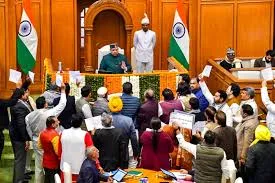
The direction comes a day after the Delhi Assembly approved the initiation of a privileges inquiry against the Punjab Director General of Police and the Additional Chief Secretary (Home), Punjab. The decision was taken after legislators raised concerns over the handling of a case connected to remarks allegedly attributed to Atishi during the Winter Session of the Delhi Assembly on January 6.
According to the Assembly’s proceedings, the inquiry focuses on whether the actions taken by Punjab authorities amounted to a breach of legislative privilege and contempt of the House.
FIR Linked to Alleged Doctored Video
The controversy stems from a video clip circulated on social media by leaders of the Bharatiya Janata Party, which purportedly showed Atishi making derogatory comments about Sikh Guru Tegh Bahadur. Punjab Police registered an FIR in Jalandhar based on the video, treating it as evidence of an offence.
However, members of the Delhi Assembly later claimed that the clip was edited and did not accurately reflect what was said during the Assembly session. They argued that any action taken without verifying the authenticity of the video could undermine legislative protections.
Complaint Cites Constitutional Safeguards
Following the registration of the FIR, Delhi minister Kapil Mishra wrote to the Speaker of the Delhi Assembly, alleging that the move violated the privileges of the House. In his letter, Mishra referred to Article 361A of the Constitution, which grants immunity from civil or criminal proceedings for publishing substantially true reports of legislative proceedings.
The complaint stated that actions against content arising from Assembly debates, without due process, could set a concerning precedent and interfere with the functioning of elected legislatures.
Speaker Notes Prima Facie Case
After reviewing the conduct of Punjab Police authorities, along with their responses and reported refusal to share certain documents, the Speaker concluded that there was sufficient ground to proceed with a privileges inquiry. The assessment indicated a prima facie case of breach of privilege and contempt involving multiple officials.
The Speaker’s communication named the Additional Chief Secretary (Home), the Director General of Police, and the Commissioner of Police in Jalandhar, along with any other individuals found to be involved, as subject to scrutiny under the inquiry.
Deadline Set for Written Submissions
In an official letter issued by the Secretariat of the Delhi Assembly, the Committee of Privileges asked the concerned officials to submit their written comments by February 12. The letter stated that the responses would be examined by the committee before determining the next course of action.
The communication, issued on behalf of the committee’s chairperson and Speaker Vijender Gupta, emphasized the importance of cooperation and timely submission to ensure a fair and comprehensive review.
Broader Implications for Legislative Privilege
The case has drawn attention to the delicate balance between law enforcement authority and constitutional safeguards afforded to legislative institutions. Observers note that the outcome of the inquiry could clarify how inter-state actions intersect with Assembly privileges, especially in cases involving digital content and public dissemination of legislative proceedings.
The Committee of Privileges is expected to deliberate further once all responses are received, with any recommendations or findings likely to be presented before the Assembly at a later stage.