
Delhi Pollution: Delhi Makes “No PUC No Fuel” Policy Permanent to Strengthen Air Quality Control
Delhi Pollution: The Delhi government has taken a decisive and long-term step to address the city’s worsening air pollution by confirming that the “No PUC No Fuel” policy will continue indefinitely. Even after the withdrawal of strict emergency pollution measures, the rule will remain active across the capital. This decision signals a firm commitment by authorities to ensure cleaner air and greater accountability among vehicle owners and pollution monitoring agencies.
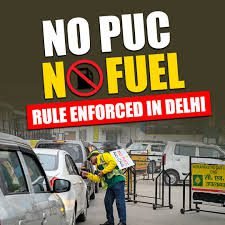
Background of the No PUC, No Fuel Policy
The “No PUC No Fuel” policy requires every vehicle to carry a valid Pollution Under Control certificate before being allowed to refuel. Initially introduced as part of emergency pollution control measures, the rule aimed to reduce emissions from poorly maintained vehicles. With rising concerns about air quality and public health, the government has now decided that this regulation should not be temporary but a permanent feature of Delhi’s environmental governance.
This move reflects the understanding that vehicular emissions remain one of the biggest contributors to urban air pollution. By making the policy permanent, authorities aim to ensure consistent compliance rather than short-term behavioral change driven by emergency restrictions.
Government Announcement and Official Stand
The Environment Minister of Delhi, Manjinder Singh Sirsa, confirmed the continuation of this rule through an official statement shared on the social media platform X. He clarified that even after the lifting of GRAP-4 restrictions, vehicle owners will still be required to present a valid PUC certificate while refueling. According to the minister, sustained enforcement is necessary to prevent pollution levels from rising again once temporary measures are withdrawn.
The announcement also emphasized that environmental rules are not symbolic actions but enforceable regulations meant to bring real improvement in air quality.
Action Against Non-Compliant Pollution Check Centres
Following multiple complaints from citizens, the government conducted inspections of pollution checking centres across the city. These inspections revealed that several centres were not following prescribed guidelines and were issuing certificates without proper testing procedures. As a result, twelve such centers were suspended and blacklisted.
This action highlights the government’s intent to clean up not only vehicular emissions but also the systems designed to monitor them. Ensuring transparency and accuracy in pollution testing is critical, as unreliable certificates defeat the purpose of emission control policies.
Strict Enforcement and Legal Consequences
The Environment Minister made it clear that inspections of pollution checking centers will continue, and any violations will invite serious consequences. Authorities have stated that failure to follow the rules will be treated as a legal offense. This applies not only to centers issuing faulty certificates but also to vehicle owners who attempt to bypass regulations.
By categorizing non-compliance as a crime, the government aims to create a strong deterrent effect. The message is clear that environmental negligence will no longer be tolerated, and enforcement agencies have been instructed to take firm action wherever violations are found.
Broader Pollution Control Measures in Delhi
Delhi’s air quality has frequently slipped into the severe category, prompting repeated emergency interventions. Alongside the “No PUC No Fuel” policy, the government has implemented multiple measures such as restricting non-BS-VI vehicles and enforcing GRAP-4 protocols during critical periods. These steps include construction bans, traffic restrictions, and limitations on industrial activities.
While emergency measures help provide short-term relief, the permanence of the PUC rule indicates a shift toward long-term structural solutions. The government believes that sustained compliance from vehicle owners can significantly reduce pollution levels over time.
Impact on Citizens and the Environment
For citizens, this policy means increased responsibility toward vehicle maintenance and environmental awareness. Regular emission checks will become a routine necessity rather than an occasional requirement. From an environmental perspective, consistent enforcement is expected to lower harmful emissions and contribute to improved public health outcomes.
The success of this initiative will depend on cooperation between citizens, enforcement agencies, and monitoring centres. If implemented effectively, it could serve as a model for other metropolitan regions facing similar pollution challenges.
Conclusion
By making the “No PUC No Fuel” rule permanent, the Delhi government has underlined its commitment to combating air pollution through sustained and enforceable measures. The decision, combined with strict action against noncompliant centers and clear legal consequences, marks a significant step toward cleaner air and a healthier urban environment.