
Delhi-NCR Weather Today: Cold Winds and Falling Temperatures Signal a Chilling Phase in Delhi-NCR
Delhi-NCR Weather Today: The weather pattern across Delhi and the wider National Capital Region is entering a noticeably colder phase, even as the thick blanket of dense fog has eased temporarily. Residents are experiencing sharper nighttime chills due to strong northwesterly winds, which have caused a significant dip in minimum temperatures. While daytime sunshine continues to offer brief relief, winter conditions are steadily intensifying, especially during early mornings and late nights.
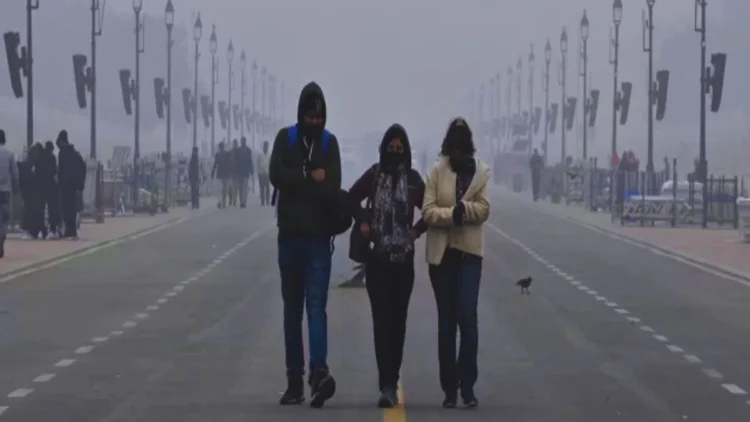
Cold Wave Tightens Its Grip on the Capital
Cold waves have become more prominent over the past few days, bringing a sudden drop of more than three degrees Celsius in night temperatures. These chilly winds are flowing from the northwest, accelerating heat loss after sunset. As a result, people are feeling a sharper bite in the air, particularly during the late evening and early morning hours. Winter clothing and precautionary measures have once again become essential for daily routines.
Night Temperatures Expected to Fall Further
Weather forecasts indicate that minimum temperatures in Delhi may fall as low as 5 degrees Celsius by the middle of the week. Cloudy skies over the national capital are expected to prevent significant daytime warming, allowing cold conditions to persist throughout the night. This trend suggests that winter is far from over and may intensify further before stabilizing.
Daytime Sunshine Offers Limited Relief
Despite the colder nights, bright sunshine during the day has helped keep maximum temperatures slightly above seasonal averages. However, this warmth is short-lived. As soon as the sun sets, temperatures drop rapidly, reinforcing the cold wave effect. The contrast between pleasant afternoons and freezing nights has become a defining feature of the current weather cycle in Delhi-NCR.
Morning Fog Continues Across Many Areas
Although dense fog has reduced compared to earlier days, light to moderate fog is still expected across most parts of Delhi during morning hours. Visibility may fluctuate, particularly in low-lying and open areas. At the Safdarjung observatory, which serves as Delhi’s benchmark weather station, the minimum temperature was recently recorded at 6.5 degrees Celsius, slightly below the normal average for this time of year.
Alerts Issued for Fog in NCR Cities
Several adjoining cities in the National Capital Region are facing higher fog intensity during mornings. An orange alert has been issued for Gurugram and Faridabad due to dense fog conditions, while Ghaziabad remains under a yellow alert. These warnings highlight the need for caution, especially for commuters and motorists traveling during early hours.
Cloudy Skies and Fog Likely to Continue
Delhi is expected to witness cloudy skies with light fog in several locations and moderate fog in isolated areas during the morning. Such conditions can disrupt travel schedules and reduce visibility on roads and highways. Residents are advised to stay updated with daily weather advisories and plan their movements accordingly.
Temperature Drop Expected Toward Weekend
According to recent forecasts, temperatures are likely to fall further toward December 28, bringing an even sharper chill. Minimum temperatures are expected to hover between 5 and 7 degrees Celsius, accompanied by mainly cloudy skies. Shallow to moderate fog is also anticipated during morning hours, reinforcing winter-like conditions across the region.
Year-End Weather Outlook Remains Cold
Similar weather patterns are expected to persist until the end of the year. Forecasts suggest mainly clear skies during the day, combined with shallow to moderate fog in the mornings. Cold nights are likely to continue through December 31, indicating that Delhi-NCR will welcome the new year under strong winter conditions.
As winter strengthens its presence, residents are encouraged to take necessary precautions, especially during early morning travel and nighttime outdoor activities. The combination of cold waves, fluctuating fog, and falling temperatures makes this period particularly challenging, but staying informed can help minimize disruptions and health risks.