
Delhi Air Pollution: Delhi Air Quality Slips Back Into Very Poor Zone as Pollution Levels Rise Again
Delhi Air Pollution: The air quality situation in Delhi has taken another worrying turn as pollution levels climbed sharply, pushing the city back into the very poor category. Early morning data showed that residents woke up to unhealthy air for the second day in a row, reversing the brief improvement that was seen earlier in the week. This sudden deterioration has once again raised concerns about public health, seasonal pollution patterns, and the effectiveness of short-term control measures in the national capital.
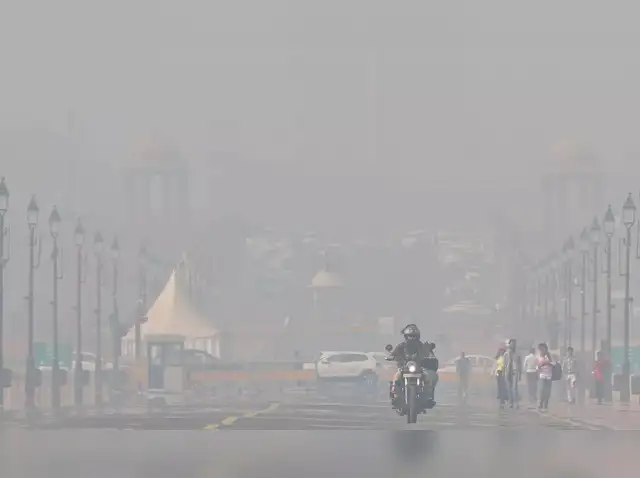
Current AQI Status in the National Capital
According to data released by Central Pollution Control Board, the overall Air Quality Index of Delhi stood at 353 at 8 AM on Saturday. This places the city firmly in the very poor range, indicating air conditions that can cause respiratory discomfort to most people and serious health issues for sensitive groups. Just a day earlier, the AQI had crossed 300, confirming that the downward trend has been consistent rather than incidental.
Temporary Relief and the Role of Pollution Control Measures
Earlier this week, Delhi experienced a noticeable improvement in air quality due to the enforcement of strict pollution control measures under the Graded Response Action Plan Stage 4. These restrictions included limits on construction activities, vehicle movement, and industrial operations. As a result, AQI levels dropped to around 221 by Wednesday, prompting authorities to lift several restrictions. However, the relaxation appears to have been short-lived, as pollution levels rebounded soon after, highlighting the fragile nature of air quality improvements in the city.
Area-Wise Pollution Levels Across Delhi
Pollution levels varied significantly across different parts of the capital, with several areas recording alarmingly high AQI readings. Anand Vihar, Jahangirpuri, Narela, and Rohini reported AQI levels above 400, categorizing them under severe pollution. Industrial and traffic-heavy zones such as Bawana, DTU, Wazirpur, and Mundka also witnessed extremely poor air quality. In contrast, areas like IGI Airport showed relatively lower readings, though still within unhealthy limits. These variations point to localized pollution sources such as traffic congestion, industrial emissions, and construction dust.
Monitoring Stations and Pollution Trends
On Friday evening, most of Delhi’s air quality monitoring stations were operational, providing a clearer picture of pollution trends. Out of the functioning stations, half reported very poor air quality, while several crossed into the severe category. The 24-hour average AQI reached 332 by late afternoon, marking a steep increase compared to the previous days. Such rapid fluctuations underline how quickly air quality can worsen when weather conditions and human activities align unfavorably.
Understanding AQI Categories and Health Impact
As per the AQI classification system, values between 301 and 400 fall under the very poor category, while readings above 400 are considered severe. Exposure to such air can lead to breathing difficulties, eye irritation, coughing, and increased hospital visits. Children, the elderly, and individuals with asthma or heart conditions are particularly vulnerable. Repeated exposure during winter months can also contribute to long-term respiratory issues.
Weather Conditions Adding to the Problem
Weather forecasts suggest that relief may not arrive immediately. The India Meteorological Department has predicted cloudy skies and a drop in temperature over the next couple of days. A yellow alert has been issued for moderate to dense fog in several areas of Delhi. Lower temperatures, combined with reduced wind speed, often trap pollutants closer to the ground, making dispersion difficult and worsening air quality.
What Lies Ahead for Delhi Residents
With colder days ahead and pollution levels already in the very poor range, experts warn that sustained improvement will require consistent enforcement of pollution control measures rather than temporary interventions. Citizens are advised to limit outdoor activities, use masks when necessary, and stay informed about daily air quality updates. The current situation once again emphasizes the urgent need for long-term solutions to tackle Delhi’s recurring winter pollution crisis.