
CorruptionCase – Court Clears Kejriwal, Sisodia in Excise Matter
CorruptionCase – A Delhi court has dismissed the charges brought by the Central Bureau of Investigation (CBI) against former Chief Minister Arvind Kejriwal, his former deputy Manish Sisodia, and 21 others in connection with the now-withdrawn excise policy case. The ruling came after the court declined to take cognisance of the agency’s chargesheet, pointing to insufficient evidence and notable shortcomings in the investigation.
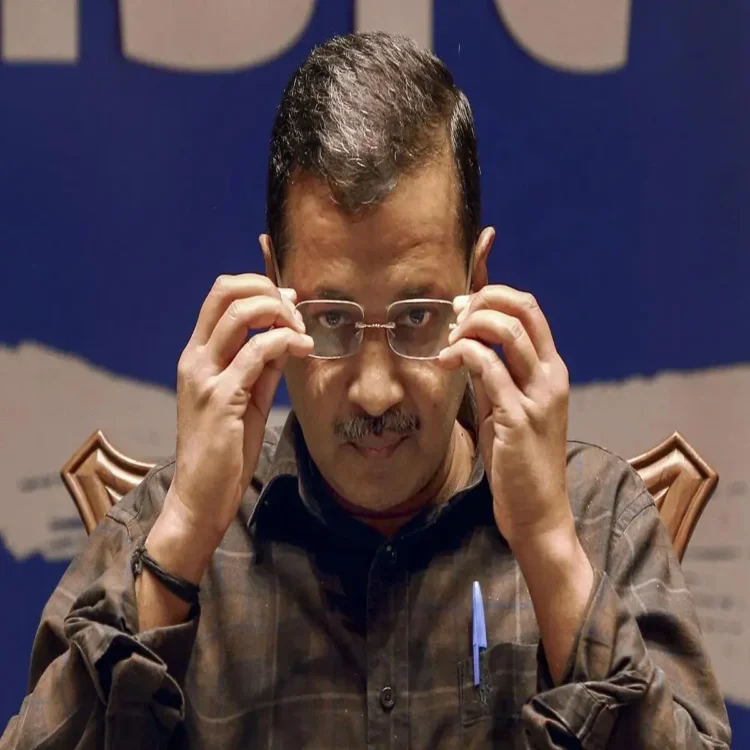
Court Flags Gaps in Chargesheet
In its order delivered on Friday, the special court observed that the CBI’s chargesheet failed to present enough credible material to warrant a trial. Special Judge Jitendra Singh said the document contained serious inconsistencies and lacked supporting evidence in key areas.
The judge noted that certain claims made in the chargesheet appeared misleading and were not backed by documentary proof or witness testimony. According to the court, the internal contradictions in the investigation undermined the broader allegation of a criminal conspiracy.
The court emphasized that criminal prosecution requires solid and coherent evidence. In the absence of such material, it would not be appropriate to move forward with charges, the judge said.
Relief for 23 Accused, Including Kavitha
A total of 23 individuals were discharged in the case. Among them was K Kavitha, president of Telangana Jagruthi, who had also been named in the investigation. The court’s order effectively grants relief to all those accused in the CBI’s chargesheet at this stage.
Regarding Kejriwal, the court said there was no substantive evidence linking him directly to any wrongdoing related to the excise policy. The judge remarked that initiating prosecution without reliable material would not align with established legal standards.
In Sisodia’s case, the court observed that investigators had not placed any concrete evidence on record to show his involvement in the alleged offence. It also noted that no recovery of incriminating material had been made from him.
CBI Plans to Challenge Order
Soon after the ruling, the CBI indicated that it would challenge the decision in the Delhi High Court. A spokesperson for the agency stated that certain aspects of the investigation had not been fully considered by the trial court.
The agency maintained that its probe into the formulation and rollout of the Delhi government’s excise policy had uncovered irregularities. However, the court found that the material presented did not meet the threshold required to proceed with prosecution.
The next phase of the legal process is expected to unfold in the higher judiciary, where the agency’s appeal will be examined.
Background of the Excise Policy Case
The case stems from allegations of corruption and procedural lapses in the excise policy introduced by the Aam Aadmi Party government in Delhi. The policy aimed to overhaul the liquor retail system in the capital but was later withdrawn amid mounting political controversy and multiple investigations by central agencies.
Opposition parties had raised questions over the policy’s design and alleged benefits to certain private players. In response, the Aam Aadmi Party consistently denied any wrongdoing and described the allegations as politically motivated.
Following the court’s decision, Kejriwal said the ruling reinforced his party’s position that the case lacked substance. He described the investigation as a politically driven attempt to target his government, while reiterating the party’s commitment to transparency in public administration.
The legal developments mark a significant moment in a case that has been closely followed in national political discourse. While the trial court’s decision offers relief to the accused for now, the matter may continue to evolve as the CBI pursues its appeal in the higher courts.