
Budget – Maharashtra Budget Sparks Political Row Over Farm Loan Waiver
Budget – Maharashtra Congress MLA Vijay Wadettiwar on Monday sharply criticised the state government’s newly presented budget, alleging that it fails to address the real needs of farmers and ordinary citizens. Speaking to reporters in Nagpur, Wadettiwar claimed that the financial plan announced by the ruling Mahayuti alliance was more focused on supporting industrial interests rather than providing meaningful relief to the agricultural sector.
Opposition Questions Farmer Loan Waiver Promise
Wadettiwar described the government’s proposed farm loan waiver scheme as misleading, arguing that it does not offer genuine support to farmers struggling with debt. According to the Congress leader, the relief measures highlighted in the budget create an impression of assistance but lack substantive impact for the farming community.
He further alleged that the government’s financial priorities appear misplaced at a time when farmers across the state are facing economic pressure due to rising costs and unpredictable agricultural conditions.
“The budget offers very little for the common people,” Wadettiwar said while addressing journalists. He added that the state government is already burdened with a massive interest liability of around Rs 67,000 crore, raising concerns about fiscal management.
Government Announces Relief Measures For Farmers
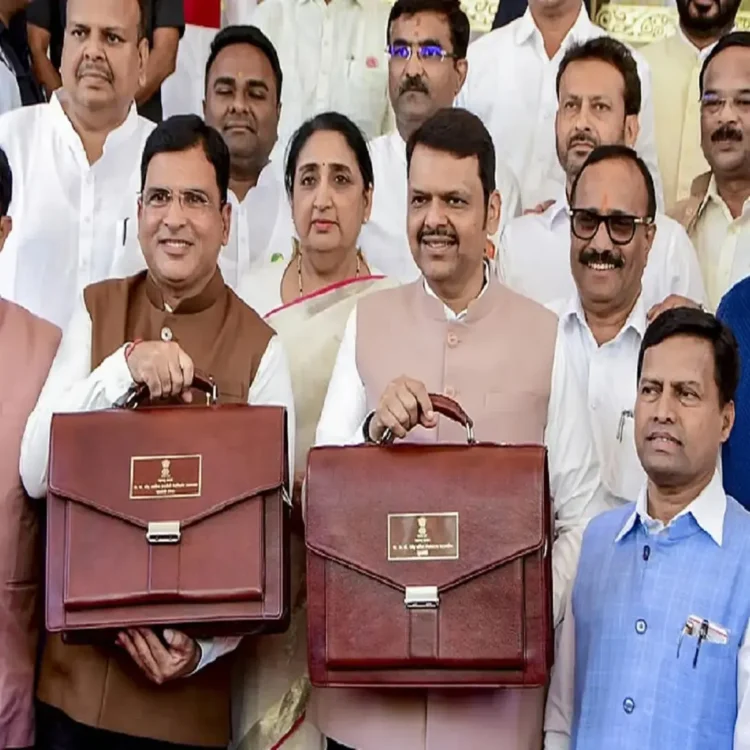
The Maharashtra budget for the financial year was presented on March 6 by Chief Minister and Finance Minister Devendra Fadnavis. During the announcement, the government introduced a farm loan waiver programme aimed at providing relief to farmers with overdue crop loans.
Under the proposed scheme, eligible farmers may receive a waiver of up to Rs 2 lakh on pending crop loans. In addition, the government has proposed a financial incentive of Rs 50,000 for farmers who have maintained regular repayment of their loans.
The government stated that the initiative is intended to support the agricultural community and encourage responsible loan repayment practices. Officials also indicated that the scheme is part of broader efforts to stabilise the rural economy.
Debate Over Opposition Leader In Assembly
Apart from criticising the budget, Wadettiwar also raised concerns about the absence of a Leader of Opposition in the Maharashtra Assembly. The Maha Vikas Aghadi alliance, which includes the Congress and other opposition parties, has repeatedly demanded that the position be filled.
According to Wadettiwar, the failure to appoint an opposition leader reflects a lack of respect for democratic processes. He argued that the presence of an opposition leader is essential to ensure accountability and healthy debate in the legislative assembly.
“The government appears reluctant to allow a strong opposition voice in the House,” he said, adding that such a move raises questions about the functioning of democratic institutions.
Support For No-Confidence Motion Against Lok Sabha Speaker
Wadettiwar also expressed support for the Congress party’s move at the national level to introduce a no-confidence motion against Lok Sabha Speaker Om Birla. The proposal comes amid allegations from opposition parties that the Speaker has shown partisan conduct during parliamentary proceedings.
The Congress leader referred to recent events during the Budget Session of Parliament, stating that Leader of Opposition Rahul Gandhi was not given sufficient opportunity to speak in the Lok Sabha.
He said that opposition members felt their concerns were not adequately heard during debates, which led to the decision to pursue a formal motion in Parliament.
Parliament Budget Session Continues Until April
Reports indicate that around 118 opposition Members of Parliament have signed the proposed no-confidence motion. The resolution will be formally introduced if the House grants permission for it to be moved.
Meanwhile, the second phase of the Parliament Budget Session is currently underway and is scheduled to continue until April 2. The session is expected to focus on key legislative matters and discussions related to the Union Budget for the financial year 2026–27.
The parliamentary session began on January 28 with the President addressing a joint sitting of both Houses. Over the course of 65 days, the session includes approximately 30 sittings dedicated to legislative discussions and policy debates.