
Agriculture – Wheat Output Likely to Rise Despite Unseasonal April Showers
Agriculture – India’s wheat crop is drawing attention this season as shifting weather patterns raise questions about output, even as officials remain optimistic about achieving higher production.
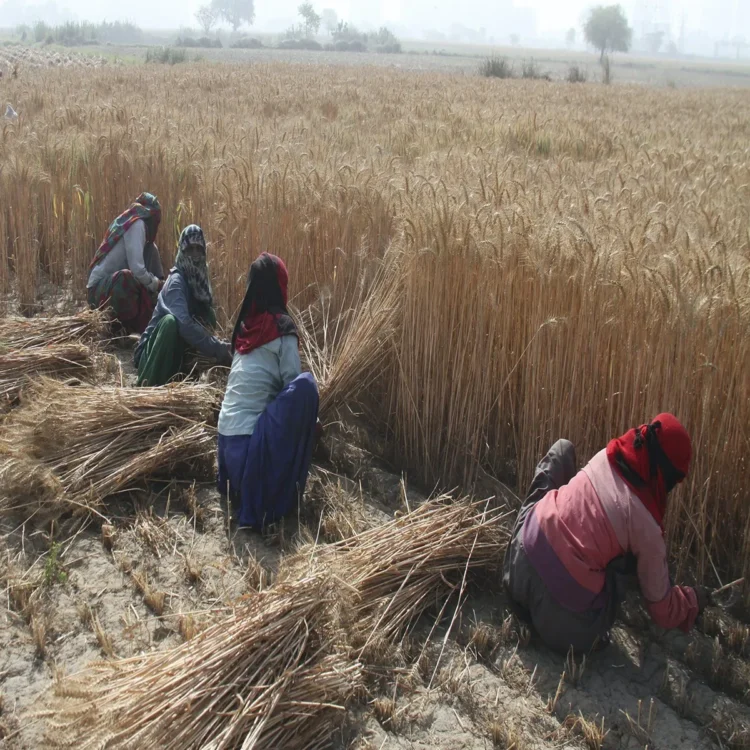
After a spell of warmer-than-usual temperatures in February and March, wheat-growing regions across India witnessed unexpected rainfall during the first half of April. The sudden change has sparked concerns among farmers and observers about possible damage to standing crops. However, government officials and agricultural experts have played down these fears, maintaining that overall production is unlikely to suffer.
Officials Dismiss Fears of Crop Loss
During a recent visit to the Indian Institute of Wheat and Barley Research in Karnal, senior agricultural scientist Dr. M L Jat expressed confidence in the resilience of the current wheat crop. He noted that light rainfall at this stage of crop growth can actually be beneficial, particularly for late-sown varieties. According to him, India is on track to achieve a record wheat harvest this year.
Authorities have emphasized that the real threat to wheat typically comes from extreme heat during the final growth phase or from hailstorms—conditions that have not been observed so far this season. As a result, projections suggest production could exceed last year’s levels.
Weather Impact Across Key Producing States
Several major wheat-producing states, including Uttar Pradesh, Madhya Pradesh, Punjab, Haryana, Rajasthan, Bihar, and Gujarat, experienced rainfall accompanied by gusty winds. In some areas, these conditions caused lodging, where crops bend or flatten due to wind pressure. While such damage can affect yield locally, experts believe the overall national impact will remain limited.
So far, approximately 40 percent of the country’s wheat has already been harvested. The remaining crop, largely located in the Indo-Gangetic plains, is expected to be harvested from mid-April onwards. These regions have also seen rainfall recently, but officials say the timing is not critical enough to significantly reduce output.
Increased Acreage Boosts Production Outlook
One of the key reasons behind the positive outlook is the expansion in wheat cultivation area this year. Wheat has been sown across 33.4 million hectares, up from 32.58 million hectares in the previous year. This increase in acreage is expected to support higher overall production.
India recorded wheat production of 117.9 million metric tonnes last year. Current estimates suggest that output could rise further, potentially reaching around 119 million metric tonnes, provided weather conditions remain stable in the coming weeks.
Changing Climate Patterns and Crop Resilience
According to agricultural scientists, the wheat-growing season this year saw above-normal temperatures early on, followed by a period of relatively cooler conditions. This sequence helped the crop avoid the damaging effects of terminal heat, which can significantly reduce grain quality and yield.
Experts also pointed out that a small portion of the crop—around 7 to 8 percent—was sown later than usual. The recent rainfall is expected to support these late-sown crops, improving their growth prospects.
Focus on Innovation and Sustainability
In recent years, India has made significant investments in developing climate-resilient wheat varieties. These include crops that can withstand both environmental stress and biological threats. Additionally, biofortified wheat varieties, enriched with nutrients such as zinc and protein, now cover a substantial share of cultivated areas, contributing to improved nutritional outcomes.
Research initiatives are also underway to enhance sustainability. A collaborative project with Japan is exploring Biological Nitrification Inhibition (BNI) in wheat, aiming to reduce fertilizer usage. Early findings suggest that future wheat varieties could require up to 25 percent less urea, helping both farmers and the environment.
Outlook Remains Positive
Despite short-term weather disruptions, the broader indicators for India’s wheat production remain encouraging. With higher acreage, improved crop varieties, and largely favorable conditions during critical growth stages, experts believe the country is well-positioned to achieve another strong harvest season.