
Accessibility – Delhi Speaker Urges Audio Signals for Safer Pedestrian Crossings
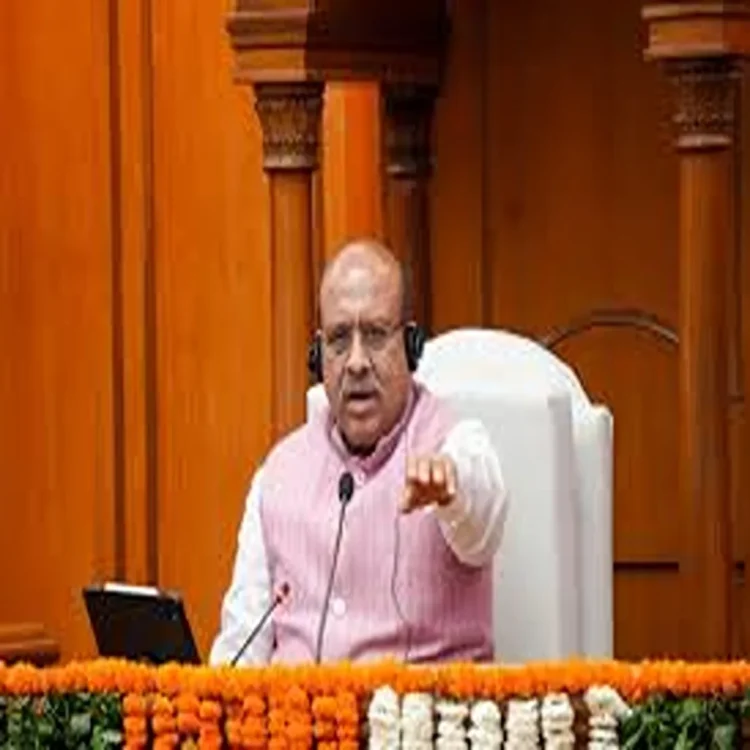
Accessibility – Delhi Assembly Speaker Vijender Gupta has formally appealed to Lieutenant Governor Taranjit Singh Sandhu to introduce audio-enabled traffic signals across the city, aiming to make roads safer for pedestrians who face mobility and visibility challenges. The request, outlined in a letter dated March 16, focuses particularly on assisting senior citizens and individuals with disabilities who often struggle to navigate busy intersections.
Concern Over Daily Commuting Challenges
In his communication, Gupta drew attention to the difficulties encountered by vulnerable groups during routine travel. He noted that a significant number of residents experience limitations in vision, making it harder to cross roads safely amid heavy traffic. According to him, the absence of supportive infrastructure increases risks for those already facing physical constraints.
He emphasized that improving pedestrian-friendly systems is essential in a growing urban environment like Delhi, where traffic density continues to rise. The installation of audio signals, he suggested, would serve as a practical step toward reducing accidents and enhancing independence for many individuals.
Data Highlights Scale of Vision Impairment
Backing his proposal with medical data, Gupta referenced findings from the Rajendra Prasad Centre for Ophthalmic Sciences at AIIMS. The figures indicate that nearly 60 lakh people in Delhi are affected by some form of vision impairment. Among them, an estimated 12 to 18 lakh individuals live with serious low vision conditions.
These numbers, he pointed out, underline the urgency of introducing inclusive infrastructure. A large portion of those affected are elderly citizens, who may already face mobility challenges alongside declining eyesight. For them, navigating city streets without adequate support can be particularly difficult.
How Audio Signals Can Improve Safety
Audio traffic signals are designed to assist pedestrians by providing sound cues that indicate when it is safe to cross. Such systems are widely used in several global cities to support visually impaired individuals. By emitting distinct tones or voice instructions, these signals help users make safer decisions at crossings without relying solely on visual indicators.
Gupta noted that adopting similar technology in Delhi could significantly improve accessibility. He also highlighted that such measures would align with broader efforts to create inclusive public spaces, ensuring that infrastructure development benefits all sections of society.
Call for Inclusive Urban Planning
The Speaker’s proposal reflects a broader push for more inclusive urban planning in the national capital. As Delhi continues to expand, there is increasing focus on making public infrastructure accessible to people with diverse needs. Experts have often pointed out that features like tactile paving, ramps, and audio signals can collectively transform the experience of navigating city spaces.
Gupta urged authorities to consider the long-term benefits of such initiatives, stressing that they not only enhance safety but also promote dignity and independence for vulnerable populations. He expressed hope that the administration would take prompt action on the recommendation.
Next Steps and Possible Implementation
While the letter marks an initial step, the implementation of audio traffic systems would require coordination between multiple civic agencies, including traffic police and urban development departments. Factors such as installation costs, maintenance, and integration with existing signal systems would need careful planning.
However, officials familiar with similar projects in other cities suggest that the long-term benefits often outweigh the initial investment. Improved pedestrian safety can lead to fewer accidents and a more inclusive environment for all residents.
The proposal is expected to be reviewed by the Lieutenant Governor’s office, with further discussions likely to follow on feasibility and rollout plans.