
MiddleEastConflict – Iranian Embassy Thanks Kashmiris Amid Online Backlash
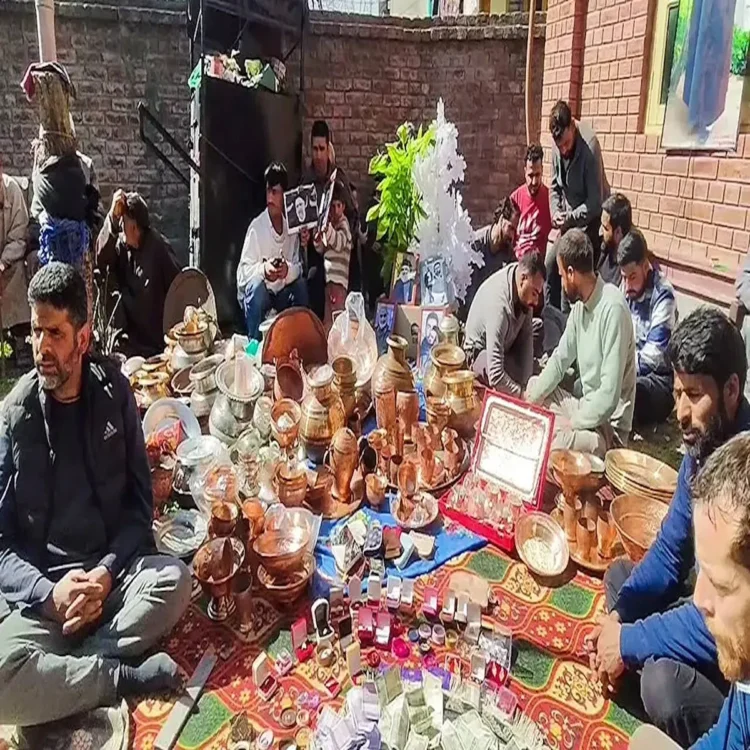
MiddleEastConflict – The Iranian Embassy in India has expressed appreciation to people in Kashmir after videos surfaced online showing locals, including children, contributing money as a gesture of support for Iran. The embassy shared its response on social media platform X, acknowledging what it described as a heartfelt humanitarian effort.
Embassy Acknowledges Public Support
In its message, the Iranian mission conveyed gratitude to the people of Kashmir for their solidarity during a difficult period. It stated that such gestures reflected deep compassion and would be remembered. The statement came in response to widely circulated clips showing residents, including young children, donating small amounts of money.
One video featured children contributing coins, while another showed individuals offering personal belongings. The embassy also shared a clip of a young girl presenting her piggy bank, describing it as a touching example of support.
Social Media Reactions Remain Divided
Despite the embassy’s message of thanks, the posts sparked mixed reactions online. Several users questioned why a resource-rich country like Iran would receive donations from individuals in India. Others raised concerns about the messaging seen in some videos, including captions that framed the conflict in ideological terms.
Critics argued that such expressions could be politically sensitive, especially within India’s diverse social and religious landscape. Some users also pointed out that similar public fundraising efforts are rarely seen for domestic causes, leading to further debate.
Context of Escalating Regional Conflict
The developments come amid ongoing tensions involving Iran, Israel, and the United States. The situation intensified following a reported joint military operation by the U.S. and Israel that resulted in the death of Iran’s Supreme Leader, Ayatollah Ali Khamenei.
The operation, which officials claimed had been in preparation for months, began on February 28, coinciding with the holy month of Ramadan. It followed a period of strained negotiations and warnings from U.S. leadership regarding Iran’s nuclear capabilities.
Casualties and Continuing Violence
The conflict has led to significant casualties on both sides. Reports indicate that Iranian missile strikes have killed at least 15 people in Israel and injured many others. Meanwhile, the death toll in Iran has reportedly reached around 1,500 over the past three weeks.
The escalation has raised concerns globally, with calls for restraint and diplomatic engagement growing louder. Analysts warn that continued hostilities could further destabilize the region.
Impact Felt Within India
In India, the situation has triggered emotional responses in some communities. Following reports of Khamenei’s death, Shia groups in several areas held mourning processions, expressing grief and anger over the development.
These demonstrations highlighted the emotional and religious connections that extend beyond national borders, particularly in regions with historical ties to West Asian communities.
Political Reactions in India
The Indian government has not issued a direct statement regarding the U.S.-Israel operation targeting Iran. However, it has previously condemned attacks carried out by Tehran on Gulf nations, indicating its cautious stance on the broader conflict.
Meanwhile, opposition leaders have criticized the government’s approach, describing it as inadequate and expressing concern over what they termed an unlawful escalation of war by the U.S. and Israel.
Ongoing Debate and Uncertain Outlook
As the situation continues to evolve, public reactions—both online and offline—reflect the complexity of international conflicts and their ripple effects in other countries. The combination of humanitarian gestures, political sensitivities, and global tensions ensures that the issue remains a subject of active discussion.
Observers note that while acts of solidarity may stem from empathy, they can also intersect with larger geopolitical narratives, making them open to varied interpretations.