
WarTensions – Iran President Addresses Americans Amid Escalating Conflict
WarTensions – The President of Iran, Masoud Pezeshkian, has said that ordinary Iranian citizens do not hold hostility toward people in the United States, even as tensions between the two countries continue to rise sharply.
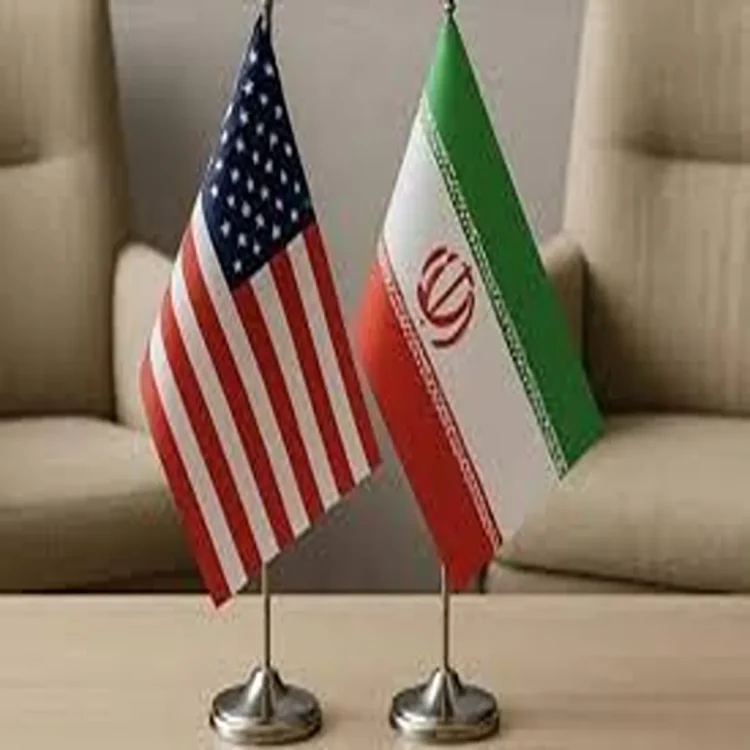
In a written message directed to the American public, Pezeshkian outlined Iran’s stance on the ongoing confrontation involving the United States and Israel. He emphasized that despite political disagreements, the Iranian population distinguishes clearly between governments and their citizens.
Iran Separates Governments from People
Pezeshkian stated that Iranians have historically maintained a respectful outlook toward people across the world, including those in the United States, Europe, and neighboring regions. He noted that even after facing repeated external pressures and interventions, Iran has not directed its grievances toward ordinary citizens of other nations.
According to him, this distinction has remained a consistent part of Iran’s approach throughout its modern history. He stressed that Iran’s disputes are rooted in political decisions made by governments rather than any animosity toward people.
Claims of Misrepresentation and Regional Politics
The Iranian president also rejected the portrayal of Iran as a destabilizing force, describing it as a narrative shaped to shift global attention away from the situation involving Palestinians. He argued that such representations serve political interests rather than reflecting reality.
Pezeshkian maintained that Iran has not pursued expansionist policies in recent history. Instead, he pointed to periods where the country has faced external aggression, including invasions and sustained pressure from global powers.
Concerns Over Military Presence Around Iran
Addressing the presence of US military bases in the region, Pezeshkian said these installations contribute to instability rather than security. He argued that recent military actions originating from these bases demonstrate the risks associated with such deployments.
He suggested that the concentration of foreign military forces near Iran has heightened tensions and created conditions that could lead to broader conflict.
Response to Threats on Energy Infrastructure
Reacting to warnings from US leadership about possible strikes on Iranian energy facilities, Pezeshkian described such actions as direct attacks on civilians. He warned that targeting critical infrastructure would have consequences beyond Iran’s borders and could significantly escalate the situation.
He further stated that such measures would violate international norms, emphasizing the humanitarian and economic implications of damaging essential resources.
Allegations of Proxy Involvement
Pezeshkian accused the United States of participating in the conflict in support of Israel’s strategic goals. He suggested that this involvement risks drawing the US deeper into a prolonged confrontation that may not align with its own national interests.
In his message, he questioned whether current actions reflect the stated priorities of the US government, particularly in terms of focusing on domestic concerns.
Escalation Following Joint Military Action
The current tensions intensified after joint military strikes were carried out on Tehran and other Iranian cities earlier this year. These attacks reportedly resulted in the deaths of key Iranian leadership figures, military officials, and civilians.
In response, Iran launched multiple waves of missile and drone operations targeting Israeli positions as well as US-linked assets in the region. The exchange marked a significant escalation, raising concerns about a wider regional conflict.
A Call for Strategic Choices
Concluding his message, Pezeshkian described the current moment as a critical turning point. He said the global community now faces a choice between continued confrontation and a shift toward dialogue and cooperation.
He urged decision-makers to consider the broader consequences of ongoing hostilities, highlighting the risks of further escalation in an already volatile region