
War – Israel Expands Strikes Across Tehran as Global Tensions Rise
War – Israel intensified its military operations on Monday, carrying out strikes on key military installations across Tehran, signaling a further escalation in the ongoing conflict. The development comes just a day after US President Donald Trump suggested that a diplomatic breakthrough with Iran could be imminent, while still leaving open the possibility of ground action.
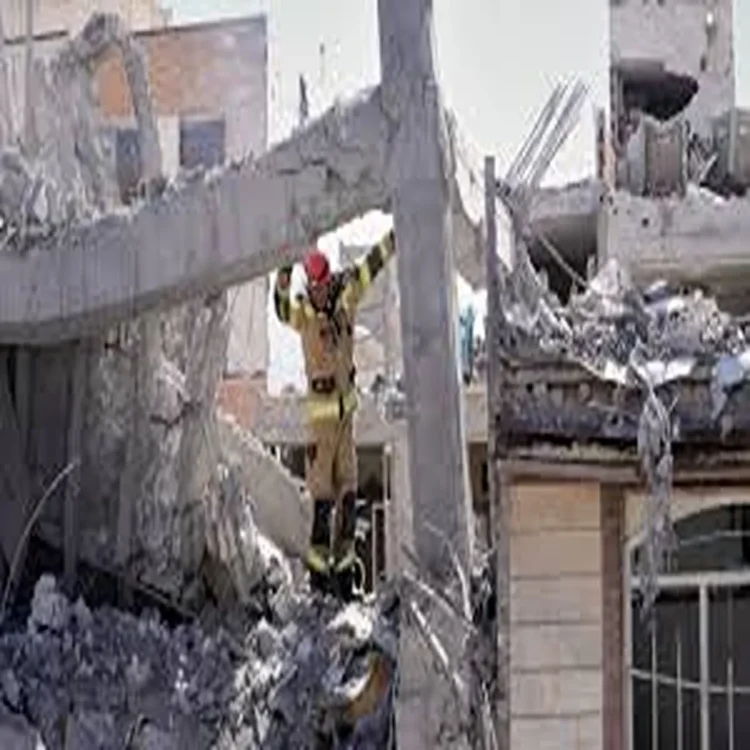
Rising Military Escalation Across the Region
Iran responded with fresh missile launches targeting Israel and parts of the Gulf, including Kuwait and Saudi Arabia. These retaliatory actions followed attacks on Iranian power infrastructure over the weekend, which caused widespread electricity outages in Tehran and nearby regions.
The situation has rapidly evolved into a broader regional crisis. Israeli forces have also continued operations against Iran-backed Hezbollah positions in southern Lebanon. In a separate incident, Indonesia confirmed the death of one of its peacekeepers after a projectile struck a United Nations position. The UN Interim Force in Lebanon has launched an investigation but has yet to determine the source of the attack.
Global Economic Shockwaves Intensify
The conflict is beginning to take a serious toll on the global economy. Energy markets have been particularly affected, with oil prices surging sharply. The main US oil benchmark crossed the $100 per barrel mark, while Brent crude approached $117.
Across Asia, several countries are facing fuel shortages, and financial markets have shown increased volatility. The disruption of supply chains and uncertainty over energy routes has raised concerns among global investors and policymakers.
Trump Signals Diplomatic and Strategic Intentions
Speaking to reporters aboard Air Force One, President Trump claimed that significant changes had taken place within Iran’s leadership. He suggested that the current leadership is more open to negotiations, describing it as a form of “regime change.”
Trump expressed optimism about a potential agreement with Iran, stating that a deal could be reached soon. However, his remarks were accompanied by controversial statements in a recent interview, where he discussed the possibility of taking control of Iran’s oil resources, including the strategic export hub at Kharg Island.
He compared the situation to US involvement in Venezuela, where Washington has indicated long-term control over the oil sector following political developments earlier this year.
Diplomatic Efforts Continue Amid Distrust
Amid the escalating tensions, Pakistan has stepped in as a mediator, hosting foreign ministers from Saudi Arabia, Turkey, and Egypt in Islamabad. The discussions focused on finding a pathway to end the conflict swiftly and sustainably.
Pakistan’s foreign minister stated that both Iran and the United States have shown confidence in Islamabad’s role as a facilitator for dialogue. He also confirmed consultations with Chinese officials and the United Nations leadership, indicating broader international support for diplomatic efforts.
However, Iranian officials have expressed skepticism about US intentions. Iran’s parliamentary speaker accused Washington of using talks as a cover for preparing military action, warning that any ground invasion would be met with strong resistance.
Military Build-Up Raises Concerns
Despite ongoing diplomatic signals, the United States has continued to strengthen its military presence in the region. The USS Tripoli, carrying thousands of Marines and sailors, recently arrived in Middle Eastern waters.
Reports suggest that the Pentagon has been preparing for potential ground operations, including strategic missions near the Strait of Hormuz. While no final decision has been announced, the preparations indicate a readiness for further escalation if required.
Civilian Impact and Regional Fallout
The prolonged conflict has had a severe impact on civilians, particularly in Iran. Residents of Tehran have described continuous nighttime bombardments that have disrupted daily life and created widespread fear.
The conflict has also spread beyond Iran and Israel, affecting neighboring countries. In Kuwait, an Iranian strike on critical infrastructure resulted in casualties, including the death of an Indian worker. Saudi Arabia reported intercepting multiple ballistic missiles aimed at its territory.
Iran has also taken a significant step by restricting access to the Strait of Hormuz for vessels linked to hostile nations. This crucial waterway is a key route for global oil and gas shipments, and any disruption has far-reaching implications for international trade and energy security.