
War – Iran Issues Strong Warning Over Attacks on Critical Infrastructure
War – Iran has delivered a sharp warning that any strike targeting its vital infrastructure will be met with forceful retaliation, signalling a potential widening of the ongoing conflict in the region.
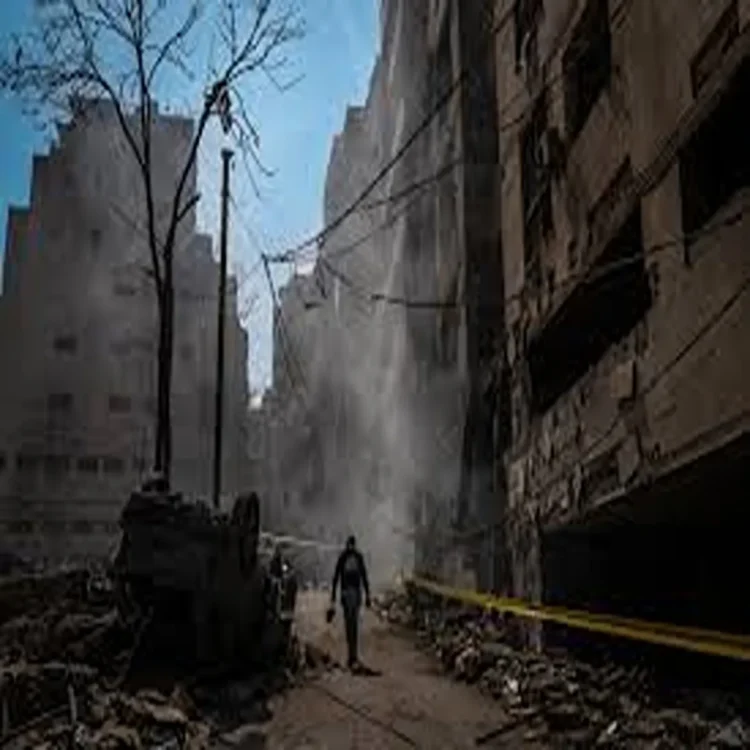
Iran Warns of Broad Retaliation
Iran’s Khatam al-Anbiya Central Headquarters on Friday cautioned that attacks on key facilities such as bridges, power plants, and energy networks would not go unanswered. According to state media, officials made it clear that any such move would trigger a strong and wide-ranging response.
The spokesperson stated that retaliation would not be limited to immediate adversaries. Instead, it could extend to assets linked to the United States and Israel across the region, as well as to facilities associated with allied nations. The warning suggests that Iran is prepared to significantly expand the scope of its response if its infrastructure is targeted.
Message to Countries Hosting US Forces
In a notable part of the statement, Iran also addressed countries that host American military bases. The spokesperson urged these nations to reconsider their cooperation with US forces, warning that continued support could expose them to risk.
The message reflects growing concern in Tehran about the role of regional partners in supporting US military operations. By issuing this warning, Iran appears to be attempting to deter broader involvement in the conflict and to pressure host nations into limiting US presence on their soil.
Rising Tensions and Strategic Significance
The Khatam al-Anbiya Central Headquarters plays a crucial role in Iran’s defence and infrastructure planning. It oversees major construction projects and is closely linked to the country’s military strategy. Its involvement in issuing such a statement underscores the seriousness of the warning.
The emphasis on infrastructure highlights the strategic importance of energy and transport networks in the ongoing conflict. Disruption of these systems could have far-reaching economic and security consequences, not just for Iran but for the wider region.
Conflict Enters Second Month
The ongoing confrontation involving Iran, the United States, and Israel has now entered its second month. Despite earlier statements from US leadership suggesting a short timeline for the conflict, there remains significant uncertainty over how and when it might end.
On the ground, developments indicate that tensions remain high, with both sides continuing to signal readiness for further escalation. The lack of a clear resolution path has added to concerns among observers about the potential for a prolonged conflict.
Claims of Advanced Fighter Jet Downed
In a separate development, Iranian state media reported that a second US F-35 fighter jet had been shot down over central Iran. The report attributed the incident to a modern air defence system operated by the Islamic Revolutionary Guard Corps (IRGC).
According to officials quoted in the report, the aircraft was struck mid-air, resulting in a powerful explosion upon impact. The intensity of the crash has led to speculation that the pilot may not have survived, as there were no indications of a successful ejection.
Additional reports echoed similar claims, stating that the advanced stealth aircraft was intercepted by a newly deployed defence system. While these assertions have not been independently verified, they add another layer of tension to an already volatile situation.
Uncertain Path Ahead
With strong warnings, reported military developments, and ongoing hostilities, the situation remains fluid. Iran’s latest statement indicates a firm stance on protecting its infrastructure and a willingness to respond beyond conventional limits if provoked.
As the conflict continues, attention is likely to remain focused on how both sides manage escalation risks and whether diplomatic efforts can help prevent further deterioration.