
USMilitaryStrikes – Opening Days of Iran Conflict Burn Through Billions in Weapons
USMilitaryStrikes – The first phase of the United States’ military campaign against Iran has already carried a staggering financial burden. According to a report published by The Washington Post, the opening two days of strikes alone consumed roughly $5.6 billion worth of munitions. The estimate highlights the immense cost of modern warfare even as President Donald Trump has indicated that the conflict could potentially conclude sooner than expected.
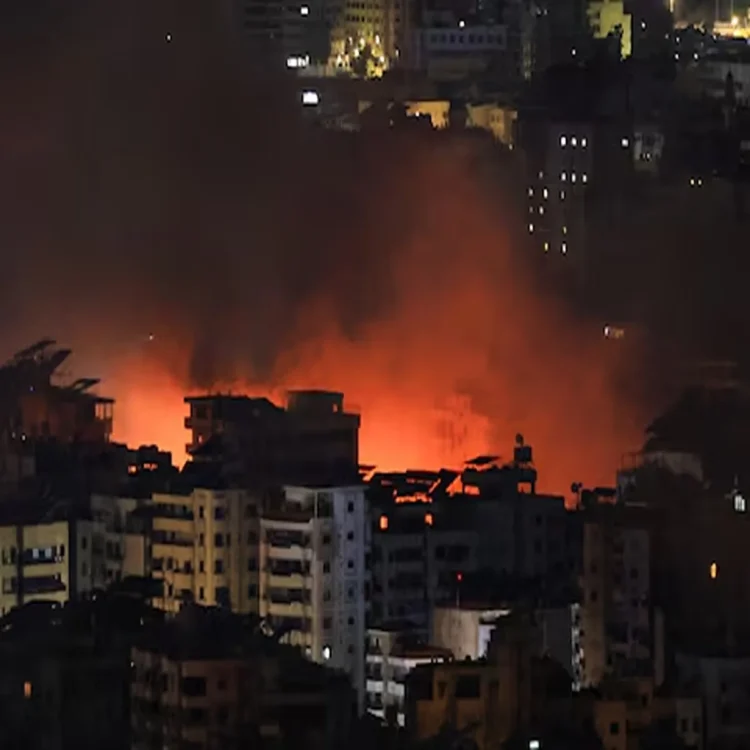
Early Military Operations Come With Massive Price Tag
The financial estimate, shared with members of Congress, reflects the value of sophisticated weapons deployed during the initial wave of attacks. These include precision-guided missiles, advanced air-launched munitions, and other high-end military systems designed for large-scale strategic strikes.
Officials familiar with the briefing told the newspaper that the Pentagon used approximately $5.6 billion in weapons within just the first 48 hours of combat operations. The figure covers only the munitions themselves and does not include the broader expenses associated with the deployment of aircraft carriers, fighter jets, support personnel, logistics, or regional troop operations.
Military analysts say that when operational costs are eventually calculated, the total financial impact of the early phase of the conflict could be significantly higher.
Lawmakers Raise Questions About Long-Term Sustainability
The rapid expenditure of advanced weaponry has triggered debate among lawmakers in Washington. Some members of Congress are reportedly concerned about how long the United States can maintain such an intense pace of operations without placing pressure on existing defense stockpiles.
According to the report, administration officials have already informed Congress about the early costs while preparing to request additional funding to continue the campaign if necessary. The high rate at which precision weapons are being used has intensified scrutiny over military planning and resource management.
The issue is particularly sensitive because many of the systems being used are expensive and require long production timelines to replace.
Strikes Intensify Across Iranian Territory
Since the start of the operation, U.S. forces have carried out thousands of strikes across multiple locations in Iran. The scale and speed of these attacks have contributed to the rapid consumption of advanced munitions.
Military officials say the objective of the early strikes was to weaken key military infrastructure and defensive capabilities. However, the aggressive tempo of operations has also raised concerns about the long-term availability of critical weapons systems if the conflict continues for an extended period.
Reports suggest that defense planners are closely monitoring inventory levels to ensure that the United States maintains readiness across other global commitments.
Weapons Stockpiles Already Under Pressure
Concerns about weapons supplies are not limited to the current conflict. U.S. defense inventories have already been affected by years of military assistance to Ukraine as well as ongoing security responsibilities in Asia and the Indo-Pacific region.
To sustain operations in the Middle East, some military resources have reportedly been repositioned from other areas. According to the report, components of a Terminal High Altitude Area Defense system were moved from South Korea to support defensive operations in the region.
At the same time, the Pentagon has also used stockpiles of Patriot missile interceptors to strengthen protection against Iranian drone and ballistic missile threats.
Strategic Risks of Shifting Defense Resources
Defense experts warn that diverting key missile defense systems could carry broader strategic consequences. Mark Cancian, a specialist who monitors U.S. weapons inventories, cautioned that deploying large numbers of missile interceptors in one theater could weaken American preparedness elsewhere.
He noted that the greater the number of air-defense systems used in the Middle East, the greater the potential risk to military readiness in other critical regions, including the Indo-Pacific and areas connected to the war in Ukraine.
These concerns are fueling discussions within the defense community about balancing immediate military objectives with long-term strategic security.
Casualties Reported Among U.S. Forces
The conflict has also resulted in American casualties. Media reports citing U.S. officials indicate that seven service members have died since the war began. Six were killed during an Iranian drone strike targeting a position in Kuwait, while another soldier died after being wounded in a separate attack in Saudi Arabia.
The losses underscore the human cost of the escalating confrontation as military operations continue across the region.