
US-Iran – Talks Shift to Oman as Washington Pushes Nuclear Limits
US-Iran – The White House has confirmed that upcoming talks between the United States and Iran will now be held in Oman, underscoring President Donald Trump’s stated preference for diplomacy while maintaining a firm position that Tehran must abandon any nuclear weapons capability.
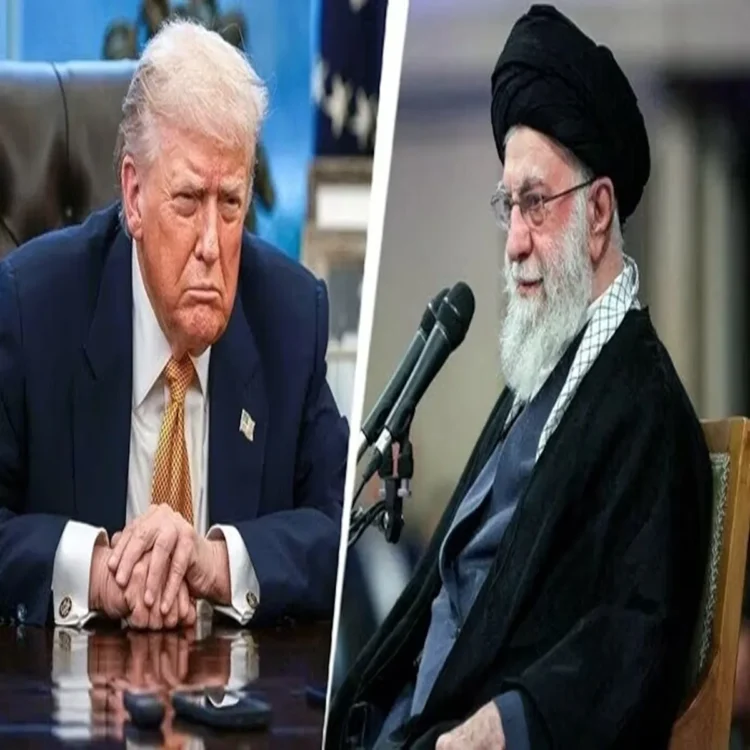
According to the White House, the discussions will involve senior members of the administration and are expected to take place shortly, following a last-minute change in location from earlier expectations.
Change in Venue Reflects Diplomatic Strategy
Press Secretary Karoline Leavitt told reporters that Special Envoy Steve Witkoff and senior adviser Jared Kushner are scheduled to travel to Oman to represent the United States in the talks. The announcement came after questions about why the meeting, previously expected to occur in Turkey, had been relocated.
Leavitt did not provide specific logistical reasons for the move but suggested the decision fit within the administration’s broader foreign policy framework. She emphasized that President Trump consistently views diplomatic engagement as the preferred method of addressing disputes, regardless of whether the other party is an ally or an adversary.
Administration Reaffirms Diplomatic Priority
During the briefing, Leavitt reiterated that diplomacy remains the administration’s first course of action in international negotiations. She said the president believes dialogue can often produce results that prevent escalation, even in complex and long-standing disputes.
However, she made clear that diplomatic outreach does not mean flexibility on core demands. The administration, she said, is entering the Oman talks with clear expectations and a defined objective.
Nuclear Issue at Center of Discussions
When asked about the substance of the talks, Leavitt pointed directly to President Trump’s long-standing position on Iran’s nuclear ambitions. She stated that the president has been explicit in calling for Iran to accept zero nuclear capability and that this principle will guide the discussions.
Leavitt explained that the talks are intended to determine whether a mutually acceptable agreement is possible under those terms. She did not outline any specific proposals or compromises, signaling that the administration remains focused on outcomes rather than process at this stage.
Warning Issued Alongside Talks
Alongside its willingness to negotiate, the White House also issued a cautionary message. Leavitt reminded reporters that the president retains a wide range of options beyond diplomacy, pointing to his role as commander in chief of the US military.
Her comments appeared designed to balance openness to dialogue with a clear signal that the administration expects serious engagement from Iran and is prepared to respond if negotiations fail to produce progress.
President Awaiting Updates From Envoys
Leavitt said President Trump is awaiting updates from his representatives following the discussions in Oman. She described the president as closely monitoring developments but did not indicate whether additional meetings or follow-up talks are planned.
The press secretary also declined to discuss timelines, benchmarks, or potential confidence-building measures, reinforcing the administration’s view that diplomacy should proceed without preconditions that could weaken its negotiating position.
Longstanding Context of US-Iran Engagement
The United States and Iran have a history of intermittent diplomatic engagement, often relying on indirect communication and third-party intermediaries. Over the years, talks have taken place in various locations across the Middle East and Europe, reflecting the sensitivity of direct negotiations.
Disputes between the two countries have consistently focused on Iran’s nuclear program, economic sanctions, and broader regional security concerns. Progress has often been uneven, with periods of dialogue followed by renewed tension.
Oman’s Role as a Quiet Intermediary
Oman has frequently played a discreet role in facilitating communication between Washington and Tehran. The country has hosted or supported back-channel discussions in the past, particularly during moments when formal negotiations stalled elsewhere.
The decision to hold the latest round of talks in Oman aligns with that history, positioning the Gulf nation once again as a neutral venue for sensitive diplomatic exchanges.