
Travel – China Restarts Direct Beijing-Pyongyang Flights After Years of Suspension
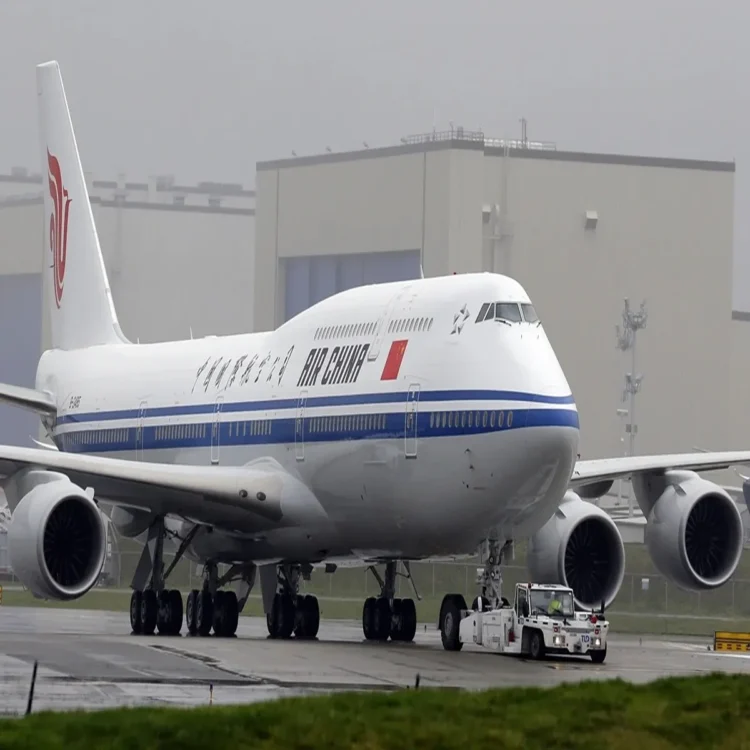
Travel – China has taken another step toward restoring cross-border connectivity with North Korea, as direct flights between Beijing and Pyongyang resumed on Monday after a long pause triggered by the COVID-19 pandemic. The move follows closely on the heels of the revival of passenger train services linking the two capitals earlier this month, signaling a gradual normalization of travel between the neighboring countries.
Diplomatic Presence Marks Flight Resumption
The inaugural flight operated by China’s national carrier was received with formal recognition upon arrival in Pyongyang. China’s ambassador to North Korea, Wang Yajun, along with other diplomatic representatives, was present to welcome the service’s return. The reception highlighted the importance both governments place on restoring traditional travel routes that had remained inactive for several years.
These developments reflect a broader effort to rebuild exchanges that were halted at the height of the global health crisis. Air travel between the two nations had been suspended since early 2020, when North Korea implemented strict border closures to prevent the spread of the virus.
Rail Services Restarted Earlier in March
Before the resumption of flights, passenger train operations between Beijing and Pyongyang were reinstated on March 12. The railway link, historically a key route for travelers and goods, had also been suspended during the pandemic. Its return laid the groundwork for further reopening measures, including the revival of air travel.
The phased restoration of transport links suggests a cautious but steady reopening strategy by North Korea, which had maintained some of the strictest border controls in the world throughout the pandemic period.
Gradual Easing of Travel Restrictions
North Korea had effectively barred all foreign visitors during the pandemic, leading to a sharp decline in tourism and international engagement. However, recent developments indicate a slow easing of these restrictions. In 2024, a group of Russian tourists was allowed entry, marking one of the first instances of foreign tourism returning to the country.
Despite these steps, the absence of Chinese tour groups has drawn attention. Before the pandemic, visitors from China accounted for roughly 90 percent of all tourists to North Korea. The delay in fully reopening to Chinese travelers has raised questions among analysts, given the close economic and political ties between the two nations.
Aviation Links Expanding Again
While China has now resumed its direct flights, North Korea had already taken initial steps to reconnect by restarting its own airline services in 2023. The national carrier began operating flights between Pyongyang and Beijing, signaling early efforts to revive international routes.
The addition of Chinese-operated flights is expected to increase travel capacity and provide more options for passengers, including diplomats, business travelers, and potentially tourists in the future.
Strategic and Economic Context
China remains North Korea’s largest trading partner and a key ally, playing a significant role in the country’s economic stability. However, the relationship has not been without complexities. Beijing has occasionally voiced concern over Pyongyang’s missile tests, particularly those with potential implications for regional security involving South Korea and the United States.
Even so, high-level interactions between the two countries continue. In September, North Korean leader Kim Jong Un attended a major military parade in Beijing, marking a rare appearance by a North Korean leader at such an event in China after many years. The visit underscored ongoing diplomatic engagement despite underlying tensions.
Outlook for Future Exchanges
The reopening of both rail and air links points to a broader effort to restore normal interactions between China and North Korea. While challenges remain, particularly regarding tourism and international perceptions, these steps indicate a willingness to gradually re-engage with cross-border travel and cooperation.
Observers will be watching closely to see whether additional travel routes reopen and whether restrictions on foreign visitors continue to ease in the coming months.