
Technology – India Israel Partnership Needs Deeper People-Level Connections
Technology – The relationship between India and Israel has grown significantly over the years, but experts now suggest that its future strength will depend on broader social connections rather than only strategic cooperation.
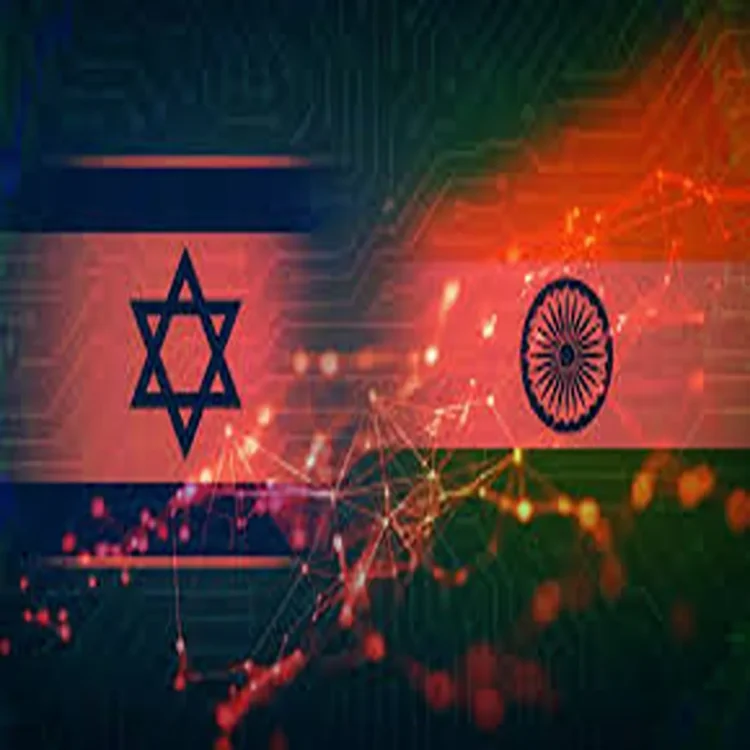
India and Israel have steadily built a strong partnership rooted in defence, agriculture, technology, intelligence sharing, and trade. This relationship has evolved from a limited engagement to a more prominent and widely acknowledged alliance. A recent report highlighted that Prime Minister Narendra Modi’s visit to Israel in February 2026 further underscored how ties between the two nations have entered a more visible and influential phase.
Moving Beyond Strategic Engagement
While official cooperation has played a central role, the report emphasizes that relying solely on high-level interactions may not be sufficient for long-term stability. Strategic agreements and diplomatic visits help strengthen ties, but they do not automatically build trust among ordinary citizens.
Experts argue that meaningful partnerships require a strong social foundation. This includes regular interaction among students, professionals, artists, researchers, and local communities. Such connections are seen as essential for creating familiarity and mutual understanding between the two societies.
The Gap in Social Understanding
Despite growing cooperation, a noticeable gap remains in how people from both countries perceive each other. Many Indians still view Israel primarily through the lens of geopolitics and regional conflict. On the other hand, Israelis often appreciate India in broad cultural or tourism-related terms without deeper, sustained engagement.
This disconnect between official relations and public perception is considered a key challenge. Public opinion plays an important role in shaping how countries respond during times of crisis or disagreement. Without a deeper social connection, partnerships may appear transactional rather than meaningful.
Importance of Everyday Interactions
The report highlights that small, everyday interactions can have a lasting impact on international relationships. Activities such as student exchange programs, cultural events, joint research projects, and workplace collaborations can help bridge the gap between the two societies.
These experiences allow individuals to better understand each other’s values, traditions, and ways of life. Unlike formal agreements, which operate at the government level, these human interactions create lasting impressions and build genuine trust.
A New Phase of Bilateral Relations
Over the past decade, India-Israel ties have matured considerably. However, with this growth comes the challenge of maintaining momentum beyond political leadership and strategic necessity. The report suggests that the next phase of the relationship must focus on sustaining engagement at multiple levels of society.
This includes encouraging tourism, expanding academic collaborations, and promoting cultural exchanges. By doing so, both countries can ensure that their partnership is not limited to policy decisions but is also reflected in the everyday lives of their citizens.
Building a Sustainable Future
The report concludes that the future of India-Israel relations will not be shaped solely by defence agreements or diplomatic meetings. Instead, it will depend on how effectively both nations invest in building social connections.
Spaces such as universities, workplaces, cultural platforms, and even digital communities are expected to play a crucial role. These environments provide opportunities for people to connect, share experiences, and develop mutual respect.
A partnership supported by strong people-to-people ties is more likely to withstand challenges and adapt to changing global dynamics. By focusing on these connections, India and Israel can create a more resilient, balanced, and forward-looking relationship.