
Technology – India and US deepen cooperation in energy, defence and innovation
Technology – India and the United States have taken further steps to strengthen their collaboration across key strategic sectors following a series of high-level meetings in Washington this week.
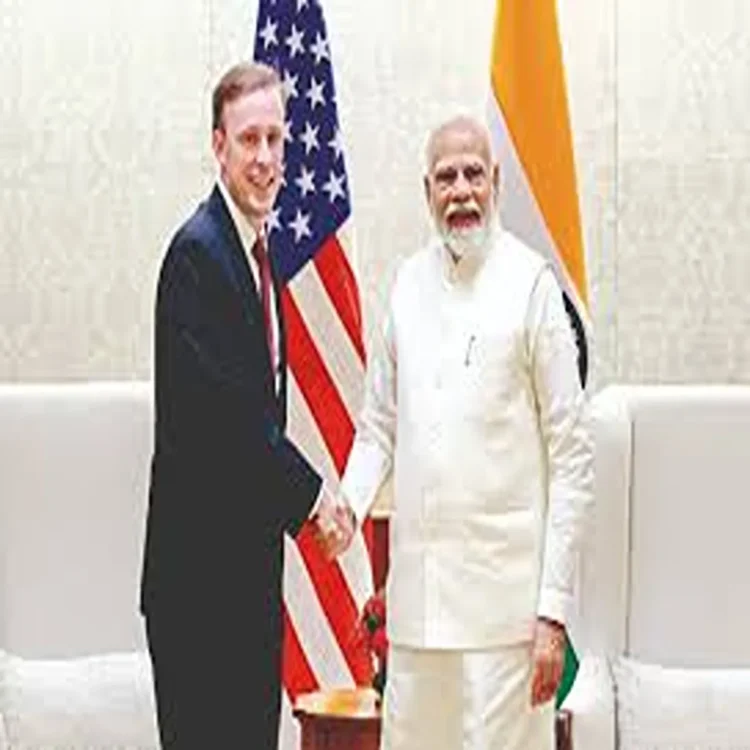
India’s Foreign Secretary Vikram Misri concluded a three-day visit to the United States, where discussions with senior officials focused on enhancing cooperation in energy security, advanced technologies, supply chains and defence engagement. The meetings reflect a steady deepening of ties between the two countries as they align more closely on economic and strategic priorities.
Focus on energy security and new opportunities
Energy cooperation emerged as a central theme during the visit. Misri met with US Energy Secretary Chris Wright to explore ways to strengthen bilateral energy ties. The discussions included improving energy security, expanding trade in energy resources and identifying new areas of collaboration within the broader India-US Energy Partnership.
Officials highlighted growing opportunities in sectors such as civil nuclear energy, coal gasification and liquefied petroleum gas exports. Recent policy developments in India were also noted as creating a more favourable environment for cooperation in advanced energy technologies.
Expanding collaboration in critical technologies
In addition to energy, both sides placed significant emphasis on emerging technologies. Talks with officials from the US Department of Commerce focused on building stronger partnerships in areas such as artificial intelligence, advanced manufacturing and secure supply chains.
The discussions underscored the importance of trusted supply networks, particularly in the context of global disruptions. Both countries are exploring ways to ensure resilience while also opening new avenues for technology transfers and innovation-driven trade.
Strategic discussions at the White House
Misri also engaged with senior officials at the White House, including members of the National Security Council. These conversations covered a range of geopolitical issues, including developments in West Asia and cooperation in the Indian Ocean region.
The dialogue reflected shared concerns about regional stability and the importance of coordinated responses to evolving global challenges. Both sides reiterated their commitment to maintaining a rules-based international order and strengthening collaboration in strategically important regions.
Defence ties continue to grow
Defence cooperation formed another important pillar of the discussions. Officials from both countries emphasized the role of their respective armed forces in strengthening bilateral ties.
There were conversations around expanding defence equipment sales, improving interoperability between the two militaries and increasing joint exercises. The growing defence partnership is seen as a key element in enhancing security cooperation and addressing shared challenges.
Engagement with broader stakeholders
During his visit, Misri also attended a reception hosted at India House by India’s Ambassador to the United States. The event brought together policymakers, officials and stakeholders from across the US administration.
The interaction provided an opportunity to reinforce existing partnerships and build new connections across sectors. It also highlighted the strong institutional and people-to-people ties that continue to support the broader relationship.
A partnership gaining momentum
The recent meetings underline the steady progress in India-US relations over the past decade. The partnership has evolved into a comprehensive framework covering defence, trade, technology and energy cooperation.
Both countries are increasingly working together in the Indo-Pacific region, with a shared focus on ensuring stability, strengthening supply chains and addressing emerging global challenges. The growing alignment across multiple sectors signals a long-term commitment to deepening collaboration.
As engagement continues at various levels, the relationship is expected to expand further, driven by common interests and a shared vision for global growth and security.