
Sanctions – Trump Signals Tougher Measures as Iran Talks End Without Deal
Sanctions – US President Donald Trump has indicated that Washington is not concerned about Iran’s return to negotiations after recent talks in Islamabad ended without progress. Speaking to reporters at Joint Base Andrews on Sunday, Trump suggested that Tehran is under severe pressure and facing significant internal challenges.
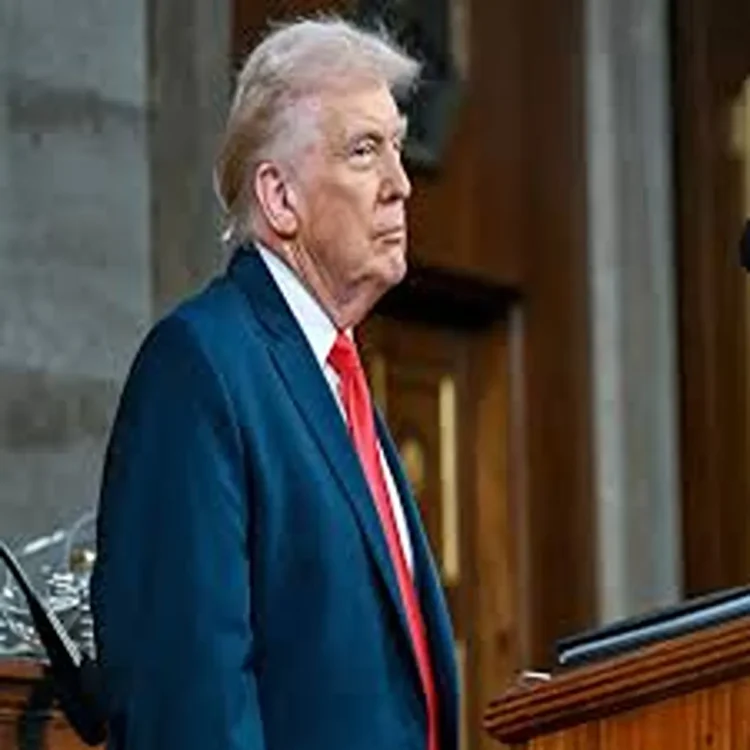
Stalemate After Lengthy مذاکرات
The high-level discussions between US and Iranian representatives, which lasted for nearly 21 hours in Islamabad, concluded without any agreement. US Vice President JD Vance confirmed the deadlock and later departed for Washington, leaving both sides without a clear path forward.
Trump maintained that the United States now has a deeper understanding of the situation following the prolonged discussions. However, he showed little urgency about restarting dialogue, stating that the outcome would not significantly alter Washington’s current approach.
Claims of Weakened Military Capacity
During his remarks, Trump asserted that Iran’s military strength has been substantially reduced following more than a month of US-led operations. According to him, Tehran’s missile reserves have been heavily diminished, and its ability to produce new missiles and drones has been significantly disrupted.
He described Iran as being in a “very difficult position,” suggesting that its leadership is under increasing strain. Trump emphasized that the United States had exercised restraint despite its military advantage, indicating that further escalation had been avoided so far.
Accusations Over Strait of Hormuz Commitments
A key point of contention remains Iran’s alleged failure to honor commitments related to the Strait of Hormuz, a critical global oil transit route. Trump accused Iranian authorities of not fulfilling their promise to ensure the passage remained open during a temporary ceasefire arrangement.
He also criticized Iran’s leadership, claiming they had misrepresented their intentions regarding maritime security. The Strait of Hormuz continues to be a focal point in the ongoing tensions, given its importance to global energy supplies.
Blockade Announcement and Strategic Moves
Trump announced that a blockade targeting Iran’s oil exports would take effect at 10 am the following day. The measure is intended to limit Tehran’s ability to sell oil in international markets, thereby increasing economic pressure.
He added that several countries are cooperating with the United States in implementing these restrictions. According to Trump, the coordinated effort is expected to significantly impact Iran’s export capabilities.
The President also noted that some vessels have been attempting to avoid traditional shipping routes, including bypassing the Strait of Hormuz. He stated that such activities would be addressed as part of the broader enforcement strategy.
Naval Action to Enforce Restrictions
In a separate statement shared on social media, Trump confirmed that the US Navy would begin intercepting ships entering or leaving the Strait of Hormuz. The move is aimed at preventing Iran from benefiting from maritime trade under current conditions.
He suggested that the blockade is a temporary but necessary measure, driven by concerns over maritime security and Iran’s claims regarding potential threats in the region. Trump described the situation as a form of pressure on global shipping and emphasized that the United States would not accept such conditions.
Ongoing Concerns Over Nuclear Ambitions
Reaffirming a long-standing US position, Trump stated that Iran would not be allowed to develop nuclear weapons. He stressed that Washington remains committed to preventing Tehran from advancing its nuclear capabilities, regardless of diplomatic outcomes.
The lack of progress in Islamabad highlights the continuing divide between the two nations, with both sides maintaining firm positions. As tensions persist, the situation in West Asia remains closely watched by the international community.