
RussiaUkraineWar – Rising Tensions Signal New Phase in Ukraine Conflict
RussiaUkraineWar – The ongoing war in Ukraine is entering a potentially more intense phase, as geopolitical developments beyond Eastern Europe begin to reshape the battlefield and diplomatic landscape. With international attention increasingly diverted toward escalating tensions in the Middle East, concerns are growing that Ukraine may face renewed military pressure from Russia in the coming months.
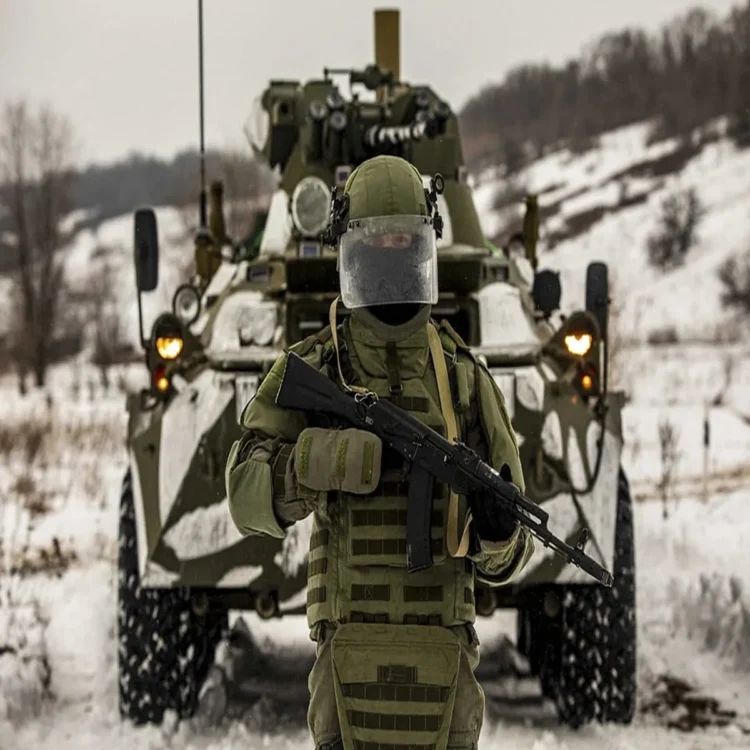
Moscow Eyes Expanded Military Push
Russian leadership is believed to be preparing for fresh offensives, particularly in eastern and southern parts of Ukraine. Military analysts suggest that improving weather conditions could allow ground operations to accelerate after months of slower movement during winter.
Reports indicate that Russian forces have intensified artillery strikes and drone attacks, likely aimed at weakening Ukrainian defenses before launching broader assaults. Areas in the Donetsk region that remain under Ukrainian control are expected to be key targets, alongside strategic zones in the south.
At the same time, Ukrainian troops have carried out counteroffensives in regions such as Dnipropetrovsk and Zaporizhzhia. These actions appear intended to disrupt Russian planning and force Moscow to divide its military focus across multiple fronts.
Shifting War Tactics on the Battlefield
The nature of the conflict has evolved significantly since the early stages of the invasion. Large-scale tank movements and rapid advances have largely given way to slower, more fragmented combat operations.
Combat is now dominated by smaller infantry units engaging in close-quarters battles across heavily damaged towns and villages. The widespread use of drones has made large troop concentrations more vulnerable, forcing both sides to adapt their strategies.
Russia has increasingly relied on long-range missile systems and drone strikes to target Ukraine’s energy infrastructure and supply networks. Meanwhile, Ukraine has focused on precision strikes aimed at disrupting Russian logistics and weakening its operational capacity.
Resource Pressures and Recruitment Challenges
Sustaining the war effort remains a major challenge for both sides. Russia is reportedly maintaining troop levels through a mix of volunteers and foreign recruits, avoiding another large-scale mobilization that could trigger domestic backlash.
Estimates suggest that both Russia and Ukraine have deployed hundreds of thousands of personnel along a front line stretching over 1,200 kilometers. However, casualty rates remain high, placing ongoing strain on manpower.
To adapt, Russia has expanded recruitment into specialized units, including drone operations, offering financial incentives and safer deployment conditions to attract younger candidates.
Diplomatic Strains and Global Distractions
Efforts to reach a negotiated settlement have stalled, with no clear breakthrough in recent rounds of talks. Key disagreements remain unresolved, particularly over territorial control and Ukraine’s future security arrangements.
Russia continues to insist on conditions that Ukraine has firmly rejected, including withdrawal from contested regions and limits on its military capabilities. Kyiv, in turn, is seeking security guarantees and a ceasefire without conceding territory.
Western unity has also shown signs of strain. While European nations have reaffirmed their support for Ukraine, internal disagreements over financial assistance packages have exposed divisions. At the same time, shifting US priorities—particularly in response to Middle East tensions—have raised questions about the consistency of future support.
Impact of Middle East Conflict on Ukraine
The broader international environment is playing an increasingly important role in shaping the conflict. Rising oil prices have boosted Russia’s revenues, providing additional resources to sustain its military campaign.
Simultaneously, US defense commitments in the Gulf region have stretched military resources, including air defense systems that could otherwise support Ukraine. This shift has added to Kyiv’s concerns about maintaining adequate supplies of critical equipment.
Ukrainian leadership has attempted to remain engaged with Washington by offering technical assistance in countering drone threats, though such proposals have received limited interest from US officials.
Uncertain Path Ahead
As both sides prepare for the next phase of the war, the situation remains highly fluid. Military developments on the ground, combined with shifting global priorities and strained alliances, are likely to influence the direction of the conflict in the coming months.
While negotiations continue in the background, the lack of consensus suggests that fighting will persist, with neither side ready to compromise on core demands. For Ukraine, maintaining international support could prove just as critical as developments on the battlefield itself.