
Pulses – Pakistan’s Growing Reliance on Costly Imports Raises Alarm
Pulses – Pakistan is facing mounting pressure over its declining pulses production, with experts warning that the country now spends nearly $980 million each year to bridge the widening gap between domestic output and consumer demand. The situation has raised concerns among agricultural stakeholders who believe urgent policy and research reforms are needed to reverse the trend.
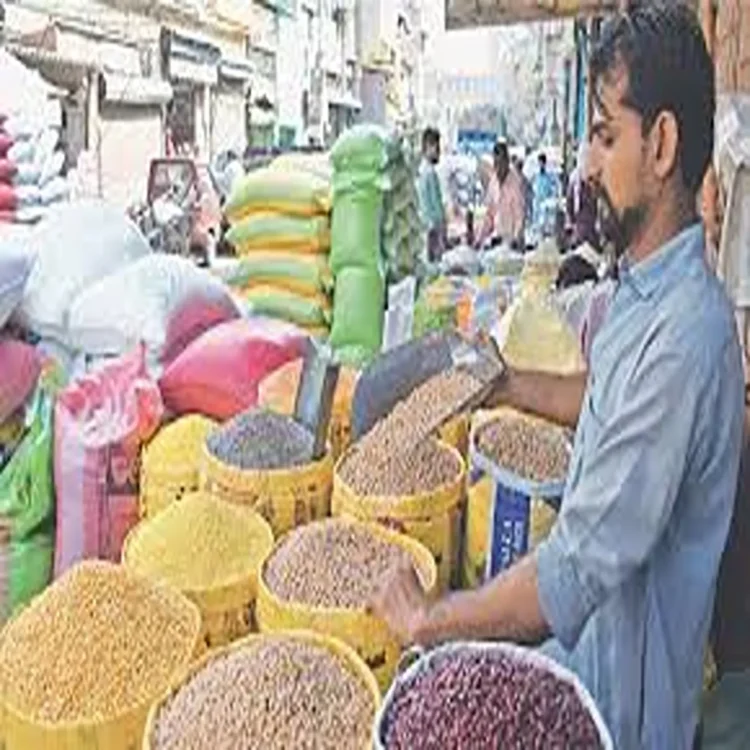
Import Bill Reflects Production Shortfall
According to industry representatives, Pakistan was once counted among the world’s notable exporters of pulses. That changed after export restrictions were imposed in the late 1990s, a move that significantly reduced incentives for local farmers. Over time, pulses became a less attractive crop compared to others offering better financial returns.
Rana Muhammad Tayyib, who heads the Punjab Pulses Importers Association and chairs the Grain Market, noted that the country’s annual consumption stands at roughly 1.62 million tons. Of this total, around 1.07 million tons are imported to meet domestic needs. The heavy reliance on imports means that nearly four out of every five kilograms of pulses consumed in Pakistan now originate from abroad.
Industry observers say this imbalance underscores deeper structural issues within the agricultural system, including limited innovation in seed development and insufficient support for farmers.
Seed Development and Research Under Scrutiny
Agricultural experts have pointed to the performance of the Federal Seed Corporation, arguing that progress in developing heat-resistant and climate-resilient pulse varieties has been slow. Without improved seed technology, farmers struggle to maintain consistent yields, particularly in areas vulnerable to extreme weather conditions.
Specialists believe that strengthening research institutions and accelerating the release of high-yield seed varieties could help reduce dependence on imports. However, they caution that such improvements require coordinated efforts between federal and provincial authorities, along with adequate funding.
Climate Change Compounds Challenges
Beyond policy and research gaps, climate variability has further complicated pulse cultivation. In rain-fed regions such as Thal, crop performance is closely tied to seasonal rainfall patterns. Experts explain that timely rains can raise yields by as much as 35 percent, offering farmers a viable return on investment. Conversely, below-average rainfall can result in substantial losses.
Unpredictable weather has made many growers hesitant to plant pulses, particularly when alternative crops promise more stable income. As a result, cultivated areas under pulses have either stagnated or declined in several regions.
Seminar Highlights Food Security Concerns
The issue was discussed in detail during a seminar marking World Pulses Day at the Pulses Research Institute of the Ayub Agricultural Research Institute. Researchers and policymakers reviewed data indicating that Pakistan’s annual pulse requirement is approximately 1.5 million tons, while domestic production meets only a fraction of that demand. Nearly one million tons must therefore be sourced from international markets each year.
Participants stressed that continued reliance on imports not only burdens foreign exchange reserves but also exposes the country to global price fluctuations.
Economic Returns Discourage Farmers
Khalid Hussain, Chief Scientist of the Pulses Section at the research institute, emphasized that pulses play a critical role in human nutrition and soil health. As a rich source of plant-based protein, pulses contribute significantly to dietary balance, while their nitrogen-fixing properties improve soil fertility.
Despite these benefits, farmers remain reluctant to expand pulse cultivation due to limited profitability and restrictions on exports. Hussain confirmed that a development proposal aimed at boosting pulse production has been prepared and submitted to authorities. The proposal, however, is still awaiting formal approval.
Agricultural stakeholders argue that timely implementation of supportive policies, research upgrades, and market incentives could gradually restore domestic production capacity. Without such measures, Pakistan’s dependence on imported pulses is likely to persist, with economic and food security implications for the years ahead.