
PrisonHealthcare – Lawmakers Push Mandatory OB-GYN Staffing in Federal Prisons
PrisonHealthcare – A new legislative proposal in the United States seeks to overhaul medical care for incarcerated women, following troubling reports of pregnant inmates delivering babies without adequate medical supervision inside federal facilities.
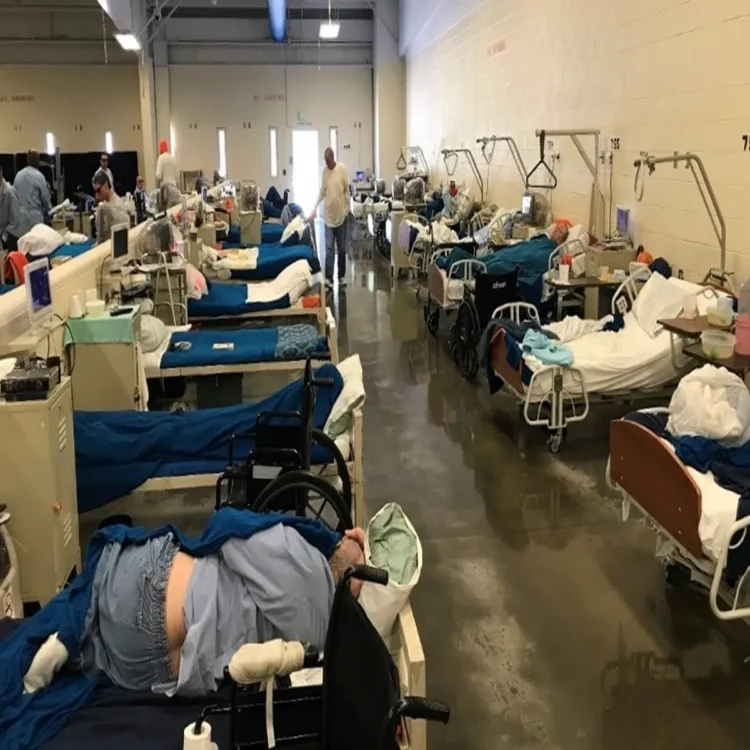
Concerns Over Maternal Care in Custody
The proposed Ensuring OB-GYN Care in Prisons Act has been introduced in Congress in response to growing alarm over conditions faced by pregnant women behind bars. Lawmakers say recent accounts of women giving birth alone in prison cells have underscored deep gaps in the federal correctional healthcare system.
The bill has been put forward by Representatives Valerie Foushee, Yassamin Ansari, and Sydney Kamlager-Dove, who argue that access to qualified reproductive health specialists should be a basic standard in any facility housing women. Their proposal aims to amend existing federal law to guarantee that women in custody receive timely and appropriate obstetric and gynecological care.
Full-Time Specialists at Every Women’s Facility
Under the draft legislation, each federal prison that houses female inmates would be required to employ at least one full-time obstetrician-gynecologist. The physician must be certified by the American Board of Obstetrics and Gynecology, ensuring professional qualifications meet nationally recognized standards.
The Director of the Bureau of Prisons would be responsible for implementing the requirement and would also have the authority to appoint additional specialists if the population size or medical demand justifies it.
Lawmakers backing the measure say the presence of on-site specialists is essential to prevent medical emergencies and reduce complications linked to pregnancy and reproductive health conditions.
Mandatory Early Medical Evaluation
The bill also establishes a clear timeline for care. Every woman entering federal custody would be required to have an initial consultation with the facility’s obstetrician-gynecologist within 14 days of incarceration. Supporters of the legislation argue that early medical assessment is critical to identifying pregnancies, addressing underlying health concerns, and planning appropriate treatment.
Advocates note that delays in diagnosis or monitoring can have serious consequences for both mother and child, particularly in environments where access to healthcare has historically been inconsistent.
Scope of Services Defined
Beyond staffing requirements, the proposed law outlines a detailed list of services that must be available within federal women’s prisons. These include menstrual health management and treatment for related pain, contraceptive counseling and access to birth control, comprehensive prenatal checkups, pregnancy testing, and postpartum recovery support.
Mental health screening is also a core component of the proposal. The legislation specifically calls for evaluation and support for postpartum depression, recognizing the psychological strain that incarceration and childbirth can impose simultaneously.
Supporters say the aim is to create a structured and standardized model of care that does not depend on the discretion of individual facilities.
Patient Rights and Medical Consent
The proposal goes further by strengthening patient protections for incarcerated women. It mandates that prisoners receive clear explanations before any medical examination or procedure and must provide informed consent. Women would retain the right to decline non-emergency treatment, reinforcing their autonomy in healthcare decisions.
In addition, prisons would be required to communicate medical information in a language understood by the patient, ensuring that language barriers do not compromise care or consent.
To avoid bureaucratic delays, the bill directs correctional authorities to establish a formal referral system for outside specialists when advanced or specialized treatment is medically necessary.
Importantly, the measure states that medical care cannot be denied due to cost concerns or staffing limitations, a clause intended to prevent financial considerations from overriding patient welfare.
Broader Context of Women’s Health in Prisons
Although women represent a smaller share of the overall prison population in the United States, experts note that their healthcare needs often differ significantly from those of male inmates. Pregnancy, reproductive health conditions, and gender-specific medical issues require specialized resources and trained professionals.
Civil society organizations in several countries, including India, have similarly raised concerns about maternal health services within correctional systems. Rights groups argue that safeguarding the well-being of pregnant women in custody is a global human rights issue rather than one confined to a single nation.
As the legislation moves forward, its supporters contend that setting uniform medical standards in federal prisons could help prevent future cases of neglected maternal care and strengthen accountability within the correctional healthcare system.