
Politics – Trump Claims Decisive Win After US-Iran Ceasefire Deal
Politics – Former US President Donald Trump has described the recently agreed ceasefire between the United States and Iran as a decisive success, following weeks of escalating tensions and military exchanges. Speaking in a brief phone conversation, Trump asserted that the agreement marked a complete victory for Washington, even as differing interpretations of the deal continue to emerge from both sides.
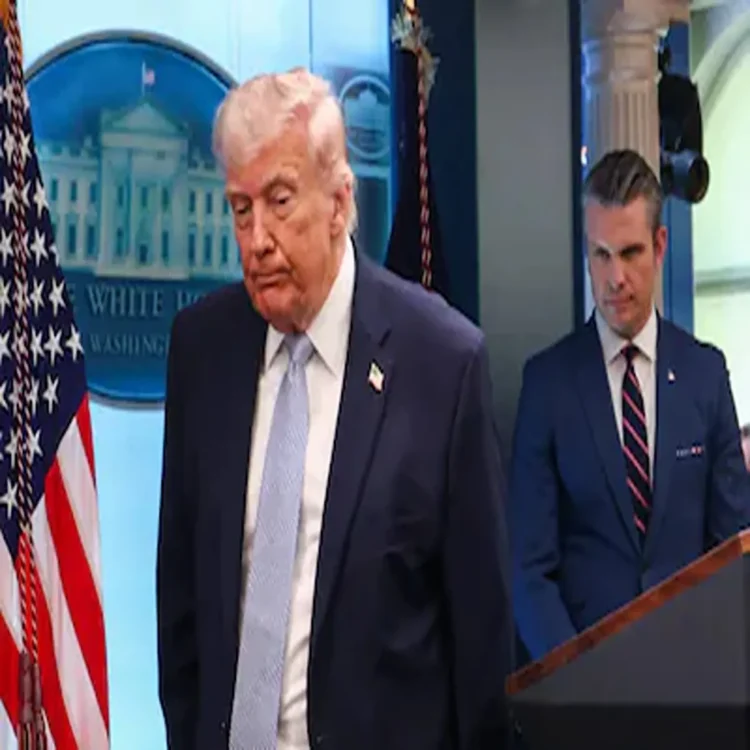
Ceasefire Reached Amid Escalating Conflict
The ceasefire agreement was finalized shortly before a deadline set by Trump for potential large-scale military action against Iran. The arrangement came after more than a month of sustained strikes involving US and Israeli forces, which had significantly raised concerns over regional stability.
While the agreement brought a pause in hostilities, details of the terms remain limited. Both Washington and Tehran have presented the outcome in favorable terms, contributing to uncertainty over the exact commitments made during negotiations.
Trump Highlights Framework for Broader Agreement
Trump indicated that the ceasefire is supported by a broader framework that could lead to a more comprehensive settlement. According to his remarks, a multi-point understanding has been outlined, with several elements already agreed upon by both sides.
He suggested that ongoing discussions would determine whether the preliminary framework evolves into a long-term arrangement. However, he refrained from confirming what steps the United States might take if the ceasefire collapses, leaving open the possibility of renewed pressure or military action.
Role of International Mediation
The ceasefire followed diplomatic efforts involving multiple countries, with Pakistan playing a mediating role in facilitating talks. Trump also pointed to China’s possible influence in encouraging Iran to engage in negotiations, noting that Beijing’s involvement may have helped bring both sides to the table.
China’s strategic position in the region, particularly as a key buyer of Iranian oil, gives it significant leverage. At the same time, its economic relationships with Gulf nations have led it to advocate for stability and restraint across the region.
Questions Remain Over Nuclear Material
One of the central issues in the conflict has been Iran’s stockpile of enriched uranium. The United States has long maintained that preventing Iran from developing nuclear weapons capability is a top priority.
Trump stated that the handling of Iran’s nuclear material would be addressed as part of the broader agreement. However, he did not provide specific details on how the issue would be resolved, leaving analysts seeking clarity on verification mechanisms and long-term safeguards.
Strategic Importance of the Strait of Hormuz
Another unresolved concern is the reopening and security of the Strait of Hormuz, a critical route for global oil shipments. The conflict had disrupted maritime activity in the region, raising fears of supply constraints and price volatility in international energy markets.
Trump expressed confidence that the ceasefire framework would support the restoration of normal operations in the strait, though no formal timeline or security arrangement has been publicly outlined.
Upcoming US-China Engagement
Amid these developments, Trump is expected to travel to Beijing in mid-May for a high-level meeting with Chinese President Xi Jinping. The visit, initially planned earlier but postponed due to the conflict, is anticipated to address a range of geopolitical issues, including the Iran situation.
The meeting could provide further insight into China’s role in regional diplomacy and its potential contribution to maintaining the ceasefire. Observers will be closely watching whether the discussions lead to coordinated efforts among major powers to stabilize the region.
Uncertain Path Ahead
Although the ceasefire has temporarily reduced tensions, many aspects of the agreement remain unclear. Both sides appear cautious about committing to detailed disclosures, and key issues such as nuclear oversight and maritime security are yet to be fully resolved.
As negotiations continue, the durability of the ceasefire will depend on whether initial commitments can translate into a structured and enforceable long-term agreement. For now, the situation remains fluid, with diplomatic engagement playing a central role in shaping the next phase of relations.