
Politics – European Right Distances Itself From Trump Over Iran Conflict
Politics – When Donald Trump returned to the presidency last year, he aimed to rebuild and strengthen ties with right-leaning political groups across Europe. However, recent developments surrounding the Iran conflict have created visible strains in those relationships, raising questions about the durability of this transatlantic alignment.
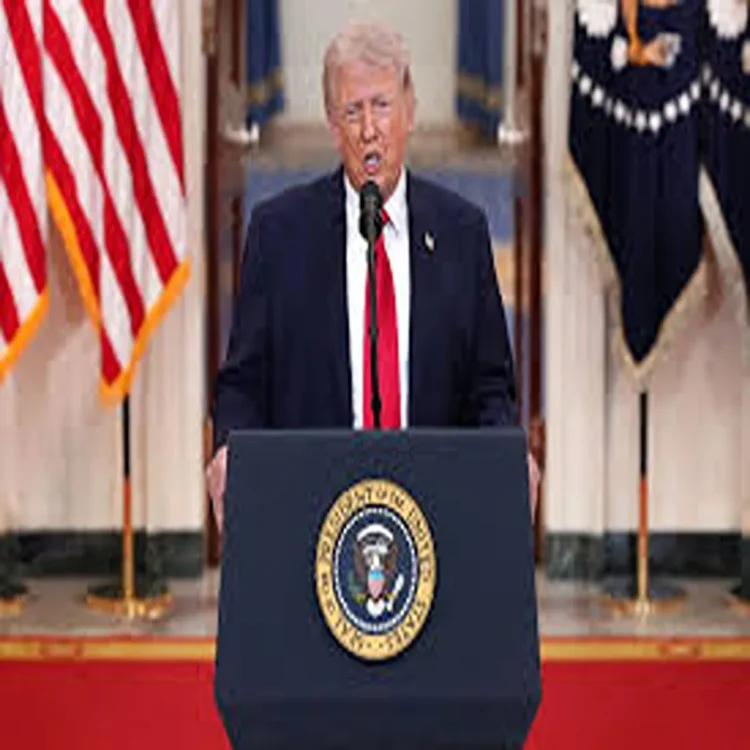
European Leaders Show Unease Over Iran Strategy
Several prominent conservative and far-right leaders in Europe have expressed discomfort with Washington’s approach to Iran. Italian Prime Minister Giorgia Meloni declined to permit the use of a Sicilian air base for military operations, signaling hesitation within even friendly governments. In France, National Rally leader Marine Le Pen described the administration’s objectives as inconsistent, while voices within Germany’s Alternative for Germany party have gone further, calling for a reassessment of the American military presence.
These responses highlight a broader concern among European leaders who, despite ideological similarities with Trump, appear reluctant to fully endorse his foreign policy decisions.
Hungary Remains a Key Exception
Hungarian Prime Minister Viktor Orbán has largely maintained his supportive stance. His government continues to present its close relationship with Washington as a strategic advantage, particularly ahead of a closely contested election. Orbán has long cultivated ties with influential global leaders, positioning himself as a figure capable of navigating international complexities.
Even so, analysts caution that association with Trump may not carry the same political benefits it once did. As public opinion shifts across Europe, endorsements from Washington may now bring mixed outcomes rather than clear advantages.
Greenland Dispute Adds to Diplomatic Strain
Tensions had already been building earlier in the year following remarks by Trump regarding Greenland. His suggestion that Denmark should transfer control of the territory to the United States was met with strong opposition across Europe. The issue resurfaced in recent statements, further complicating relations with NATO allies.
Critics argue that combining such disputes with the Iran conflict has intensified skepticism among European leaders. The perception that Washington is pursuing unpredictable policies has made it harder to sustain a unified front among ideologically aligned governments.
Limits of a Transnational Political Movement
Experts believe the current situation reveals the challenges of forming a cohesive international alliance based on nationalist politics. While many far-right parties in Europe share similar domestic priorities, their responses to global issues often diverge.
Political analyst Daniel Baer noted that building a coalition centered on national interests can be inherently difficult. According to him, public sentiment in several European countries has shifted, with growing criticism not necessarily directed at the United States as a whole, but specifically at its current leadership.
Domestic Factors Shape Political Outcomes
Despite external influences, the success of far-right movements in Europe is largely driven by domestic conditions. Issues such as economic concerns, immigration, and dissatisfaction with incumbent governments continue to play a decisive role.
In Hungary, however, the political landscape presents a different challenge. After more than a decade and a half in power, Orbán faces the typical difficulties associated with long-term incumbency. Voter fatigue and rising opposition could impact his electoral prospects, regardless of international alliances.
Recent visits by senior US officials have drawn attention, but some analysts suggest they may not significantly boost Orbán’s standing. In fact, visible alignment with Washington could have unintended consequences among voters who are increasingly cautious about foreign influence.
A Changing Political Climate in Europe
The evolving dynamics suggest that Europe’s far-right leaders are becoming more independent in shaping their political strategies. While past connections with Trump helped reinforce ideological solidarity, current developments indicate a shift toward more nationally focused decision-making.
As the situation unfolds, the future of these relationships will likely depend on how both sides navigate complex global challenges while addressing domestic expectations. For now, the Iran conflict has underscored the limits of political alignment across borders, even among leaders who share similar views.