
OilSecurity – Australia Rules Out Naval Escort Mission in Strait of Hormuz
OilSecurity – Australia has confirmed it will not deploy naval vessels to escort oil tankers through the Strait of Hormuz despite escalating tensions in the Middle East. A senior member of the federal government said the country is prepared to manage the economic pressures linked to the ongoing regional conflict and does not plan to send a warship to the strategic waterway.
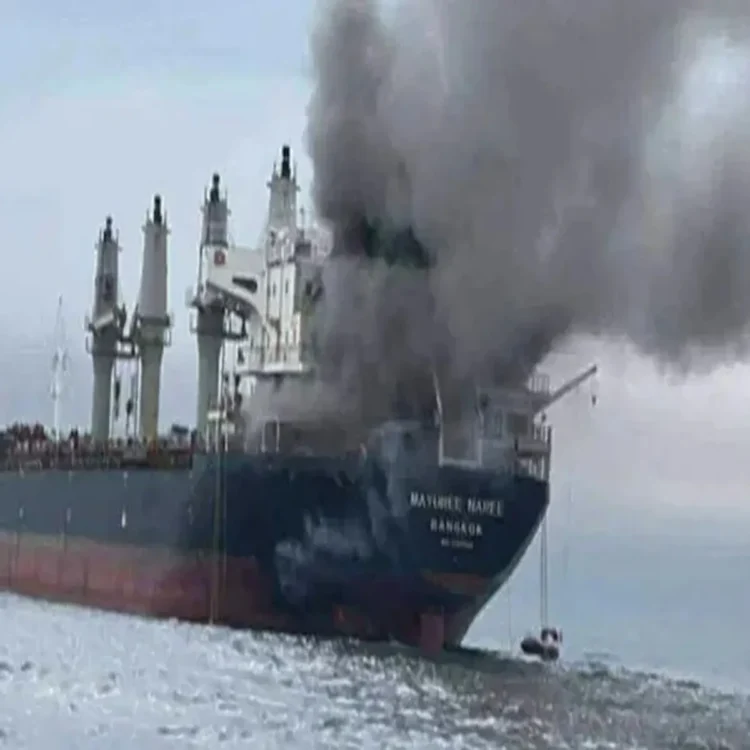
Government Confirms No Naval Deployment
Infrastructure and Transport Minister Catherine King, who is also part of Prime Minister Anthony Albanese’s Cabinet, said the government had reviewed the situation but determined that sending a naval vessel was not necessary at this stage. Speaking in a radio interview with the Australian Broadcasting Corporation, she emphasized that Australia is taking measures to mitigate economic risks tied to instability in the Middle East.
King explained that authorities are closely monitoring developments in the region but believe domestic preparedness measures will help the country withstand potential disruptions to fuel supply and rising global energy prices.
Fuel Reserves and Emergency Measures
According to the minister, Australia currently holds significant fuel reserves to cushion potential supply shocks. As of Monday, the country’s stockpile includes about 37 days of petrol, 30 days of diesel, and 29 days of jet fuel.
The government recently eased minimum stockholding requirements and temporarily adjusted fuel quality standards, allowing the use of fuel with slightly higher sulfur levels. These changes are intended to ensure stable supply if global shipping disruptions affect imports.
King said the government is confident the country has adequate planning in place to navigate economic challenges that may arise due to the instability in the Middle East.
Travel Advisory Issued for Several Middle Eastern Countries
Amid the escalating conflict, Australia’s Department of Foreign Affairs and Trade has strengthened travel advice for citizens. Over the weekend, the department warned Australians not only to avoid visiting several Middle Eastern countries but also to avoid transiting through them.
The updated guidance covers Bahrain, Iran, Iraq, Israel, Kuwait, Lebanon, Palestine, Qatar, Syria, Yemen, and the United Arab Emirates. Authorities cautioned that even passengers staying inside airports could face unexpected disruptions.
Officials noted that the security situation could deteriorate quickly and warned that international flights may be delayed, rerouted, or cancelled without notice as tensions intensify.
International Concern Over Strait of Hormuz
The Strait of Hormuz, a narrow waterway linking the Persian Gulf with the Gulf of Oman, is considered one of the world’s most critical energy shipping routes. Approximately one-fifth of global oil supplies pass through the strait each day, making any disruption a major concern for international markets.
In the United Kingdom, Prime Minister Keir Starmer discussed the issue with United States President Donald Trump during a phone call on Sunday. According to a statement from Downing Street, the leaders reviewed the impact of the strait’s closure on global shipping and energy prices.
Starmer reportedly emphasized the importance of restoring safe navigation through the waterway to stabilize trade routes and reduce economic pressures worldwide. Both leaders agreed to remain in close communication as the situation evolves.
Economic Impact of Ongoing Conflict
British Energy Secretary Ed Miliband also warned that the continued closure of the Strait of Hormuz is pushing up oil and gas prices globally. He said the most effective way to restore shipping activity is to end the conflict currently destabilizing the region.
Miliband noted that rising energy costs are already affecting the international economy and stressed that cooperation among allied nations will be essential to address the crisis.
Meanwhile, President Trump stated on social media that several countries may send naval forces to ensure the strait remains open, though no specific details about participating nations were provided.
Escalation of Regional Tensions
The conflict intensified earlier this year after coordinated military strikes by Israel and the United States targeted Tehran and other Iranian cities. The attacks reportedly killed Iran’s Supreme Leader Ali Khamenei, senior military officials, and more than 1,300 civilians.
Iran responded with missile and drone strikes against Israeli and US military installations across the Middle East, raising fears of a broader regional confrontation and further disruptions to global shipping routes.