
Oil – Global Markets Rally Briefly as Iran Tensions Ease Slightly
Oil – Global financial markets witnessed a strong rebound after signals from US President Donald Trump hinted at a possible pause in military action involving Iran. Investors responded quickly to the development, pushing equities higher while oil prices declined sharply. The reaction reflected renewed hope that diplomatic efforts might help avoid further escalation in the Middle East.
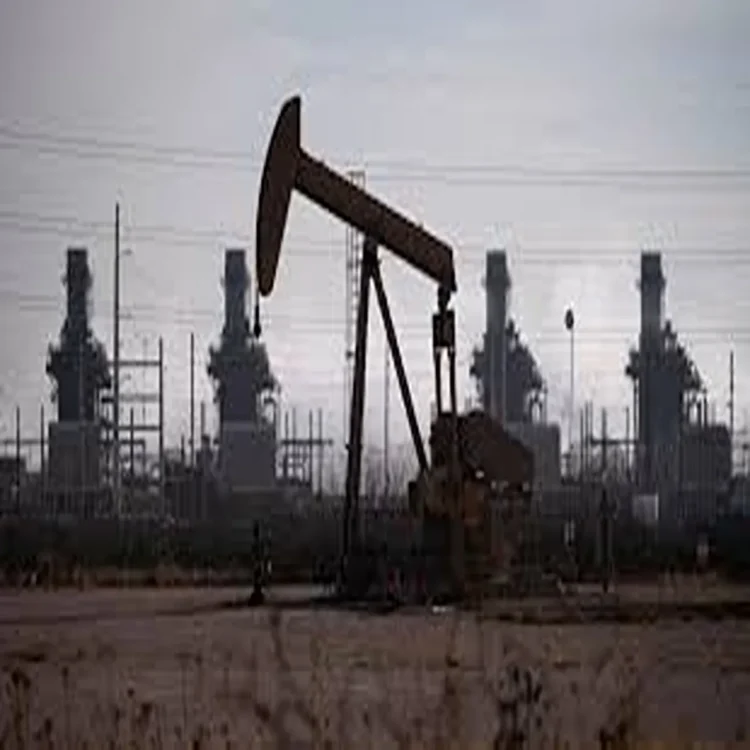
Markets Respond Swiftly to Diplomatic Signals
Major stock indices recorded notable gains following the announcement. Both the S&P 500 and the Dow Jones Industrial Average climbed over one percent, reversing earlier losses. At the same time, crude oil prices dropped significantly, with Brent crude falling below the $100 per barrel mark after previously trading well above $110.
The shift in sentiment was immediate. Within minutes of Trump’s public statement about ongoing discussions with Iran, market trends reversed direction. Oil prices saw a steep decline, while stock futures moved from negative territory into gains, highlighting how sensitive markets remain to geopolitical developments.
Investor Optimism Faces Reality Check
The possibility of diplomatic engagement offered relief to investors who had been concerned about a prolonged conflict disrupting global energy supplies. However, analysts caution that this optimism may not be fully justified. Previous instances during the ongoing tensions have shown that market rallies can quickly fade when fresh hostilities emerge.
Experts emphasize that the current market movement is largely based on expectations rather than confirmed progress. There is still no clear evidence that formal negotiations between the United States and Iran have begun. As a result, the recent gains may lack strong foundational support.
Energy Crisis Remains a Major Concern
Beyond short-term market reactions, the broader issue of global energy disruption continues to pose significant risks. According to data from the International Energy Agency, the ongoing conflict has led to a substantial drop in global oil supply. Estimates suggest that supply has decreased by nearly 11 million barrels per day since tensions escalated.
This level of disruption is considered more severe than the combined oil shocks experienced during the 1970s. Despite the recent fall in prices, volatility remains high, and supply concerns continue to dominate long-term projections.
Strategic Chokepoint Adds to Uncertainty
A key area of concern is the Strait of Hormuz, a critical route through which nearly 30 percent of the world’s crude oil supply passes. Iran has previously indicated the possibility of disrupting shipping in the region, raising fears of further supply interruptions.
Any disruption in this narrow passage could have immediate and widespread consequences for global energy markets. Even a temporary blockage could trigger sharp price increases and intensify supply shortages.
Recovery Likely to Be Slow
Industry experts warn that even if hostilities decrease in the near term, the damage to global energy infrastructure and supply chains may take considerable time to repair. Stabilizing the market will not be immediate, as production adjustments and logistical recovery require sustained effort.
Traders and institutional investors are also maintaining a cautious stance. Many believe that the current rally is driven more by short-term optimism than by meaningful changes in underlying conditions.
India and Global Economy Face Potential Impact
For countries like India, which rely heavily on crude oil imports from the Gulf region, the situation carries significant economic implications. Any prolonged disruption in supply could lead to higher fuel prices, increased inflation, and added pressure on economic growth.
On a broader scale, continued instability in the energy market could affect global trade, currency stability, and overall economic performance. While markets may react quickly to positive signals, the long-term outlook remains uncertain.