
NepalPolitics – Balen Shah Becomes Nepal’s Youngest Prime Minister
NepalPolitics – Nepal marked a significant political shift on Friday as Balendra Shah, widely known as Balen, officially assumed office as the country’s new prime minister following months of political upheaval.
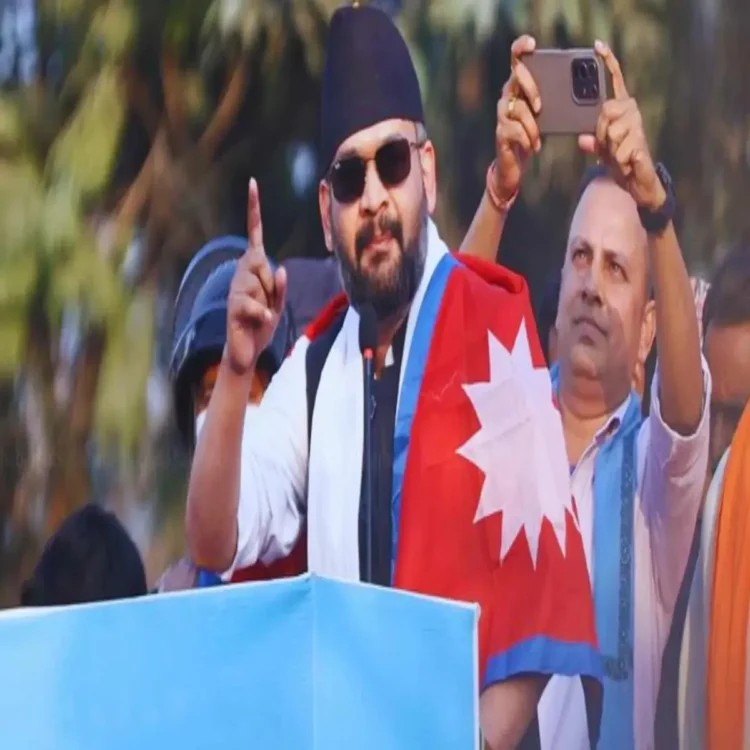
Historic Leadership Change After Months of Unrest
The 35-year-old leader of the Rastriya Swatantra Party took the oath of office at the President’s residence, Sheetal Niwas, in Kathmandu at 12:34 pm. His appointment comes nearly six months after the collapse of the previous government led by K P Sharma Oli, which fell amid widespread youth-driven protests demanding accountability, transparency, and policy reforms.
Shah’s rise to power reflects a broader political transformation in Nepal, where a new generation of voters has increasingly pushed for change in governance and leadership. His appointment was formalized earlier in the day by President Ram Chandra Paudel under constitutional provisions.
Youngest Prime Minister and a Symbol of Change
With his swearing-in, Shah has become the youngest prime minister in Nepal’s history. An engineer by profession and a former mayor of Kathmandu, he also holds the distinction of being the first leader from the Madhes region to reach the country’s highest executive office.
His political journey has been unconventional, transitioning from a successful music career into public service and eventually national leadership. Supporters view his victory as a reflection of growing public demand for fresh leadership outside traditional political structures.
Unique Ceremony Reflecting Cultural Harmony
The oath-taking ceremony stood out for its blend of religious traditions. Rituals included the blowing of conch shells by seven Brahmins, recitation of Vedic hymns by 108 young priests, and Buddhist chants delivered by 107 Lamas. The ceremony symbolized Nepal’s cultural diversity and longstanding coexistence of Hindu and Buddhist practices.
Strong Electoral Mandate in General Elections
Shah’s party secured a commanding majority in the general elections held on March 5. The Rastriya Swatantra Party won 182 out of 275 seats in the House of Representatives, allowing it to form the government independently.
In a major political upset, Shah defeated former prime minister K P Sharma Oli in the Jhapa-5 constituency, a region historically dominated by Oli’s party. The election results significantly weakened established political forces, with the Nepali Congress securing 38 seats, the CPN-UML winning 25, and other parties trailing further behind.
Formation of New Government Underway
Sources indicate that Shah is expected to form a relatively lean cabinet, likely consisting of 15 to 18 ministers. This move is seen as part of his broader agenda to streamline governance and improve administrative efficiency.
The newly elected members of the House of Representatives were sworn in earlier on Friday at the federal parliament building, marking the beginning of the formal government formation process weeks after the election results were finalized.
Background of Political Transition
The political developments follow a turbulent period in Nepal’s recent history. The previous government was removed after large-scale protests led primarily by younger citizens escalated into unrest. Demonstrators had raised concerns over corruption, nepotism, and restrictions on digital freedoms.
Following the government’s fall, former Chief Justice Sushila Karki served as interim prime minister on the recommendation of protest leaders until elections could be conducted.
Shah’s leadership now represents a turning point, with expectations high for reforms and responsive governance in the coming years.