
Modern American: The Expanding Presence of a President’s Name in Public Life
Modern American: In modern American politics, it is common for presidents to be remembered long after they leave office through monuments, buildings, or institutions named in their honor. Traditionally, these recognitions come years later, often after a leader’s death, allowing history to weigh achievements with distance and perspective. In recent times, however, this tradition has been challenged by a presidency that has embraced public naming and recognition while still in power, reshaping long-held norms of political legacy and public commemoration.
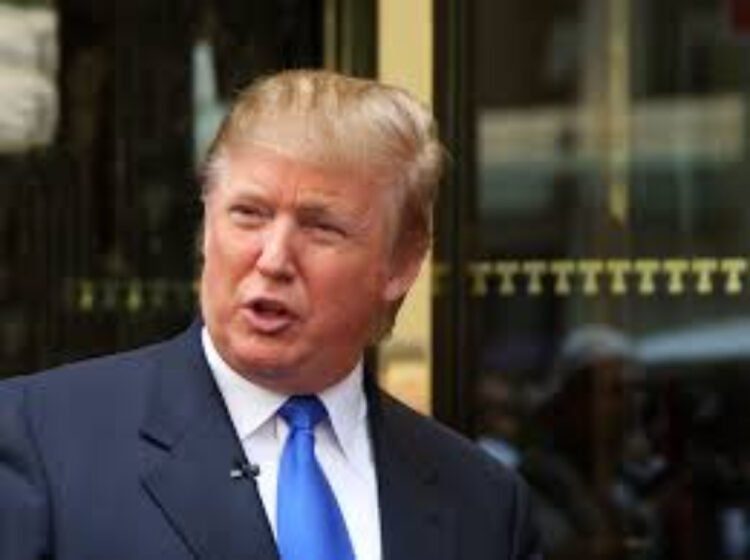
A Shift From Tradition in Presidential Recognition
For most of American history, naming public infrastructure after a sitting president has been considered unusual. Schools, roads, and local buildings have occasionally borne the names of living leaders, but major national institutions and federal assets were typically reserved for historical reflection. The recent trend of attaching a president’s name to prominent federal spaces, programs, and initiatives during an active term represents a significant departure from that precedent.
Supporters argue that these decisions reflect confidence, decisive leadership, and a willingness to redefine how political achievements are acknowledged. Critics, on the other hand, see the practice as premature, suggesting that legacy should be shaped by history rather than branding.
Branding as a Political Signature
Long before entering public office, Donald Trump built a reputation as a businessman who prominently displayed his name across properties, products, and ventures. From luxury real estate to consumer goods, branding was central to his public identity. That same philosophy appears to have carried into his political career, where his name has become closely associated with policy initiatives, government programs, and public infrastructure.
This blending of political authority and personal branding has created a presidency that feels distinct from its predecessors. Instead of leaving recognition to future generations, the administration has embraced immediate visibility, ensuring that its initiatives are easily identifiable and directly connected to the president himself.
Supporters’ Perspective on Immediate Honors
Those who favor this approach argue that leadership should be recognized in real time. They believe that major policy actions, peace initiatives, economic programs, and infrastructure projects deserve clear attribution. For them, naming programs and places after a sitting president provides transparency and reinforces accountability, making it clear who is responsible for bold decisions and national direction.
Some lawmakers and local officials have gone further, proposing holidays, transportation renaming, and airport redesignations as a way to honor what they see as transformative leadership. In their view, waiting decades to recognize impact diminishes the relevance of achievements that are shaping the country today.
Criticism and Historical Concerns
Historians and political scholars often take a more cautious stance. They argue that memorialization traditionally serves as a reflection on a completed life or career. Naming federal buildings or national landmarks after a living leader risks politicizing spaces meant to serve all citizens, regardless of political affiliation.
There is also concern that such practices may encourage a culture where recognition is sought through personal favor rather than institutional merit. Critics warn that excessive personalization of public assets can blur the line between democratic leadership and self-promotion, potentially setting a precedent that future administrations may exploit.
Political Debate and Legislative Pushback
The controversy has sparked debate within Congress and among the public. Some lawmakers have proposed legislation aimed at restricting the naming of federal buildings and land after sitting presidents. Their argument centers on preserving democratic norms and ensuring that public spaces remain politically neutral until history can fairly assess a leader’s legacy.
These debates reflect a deeper question about how modern democracies should balance leadership recognition with institutional integrity. As politics becomes more media-driven and personality-focused, the tension between tradition and innovation continues to grow.
The Broader Impact on Presidential Legacy
Whether praised or criticized, this approach has undeniably altered the conversation around presidential legacy. It raises important questions about how leaders wish to be remembered and who gets to decide when that remembrance begins. For some citizens, the visible presence of a president’s name symbolizes strength and accomplishment. For others, it feels like an overreach that challenges the humility traditionally associated with public service.
What remains clear is that this period marks a turning point in how political recognition is handled in the United States. Future presidents may either return to older customs or further expand on this model, making legacy-building an active part of governance rather than a posthumous honor.
Looking Ahead at Changing Norms
As American politics continues to evolve, so too will the standards by which leaders are honored. The current debate is less about one individual and more about the values that define democratic leadership. Whether immediate recognition becomes the norm or remains an exception will depend on public response, historical judgment, and the example set by future administrations.
In the end, the question is not only how a president chooses to be remembered, but how a nation chooses to remember its leaders while preserving the balance between respect, accountability, and democratic tradition.