
Missiles – Iran’s Long-Range Missile Test Raises Concerns Over Diego Garcia Base
Missiles – Iran’s recent missile activity has drawn attention after reports emerged that two ballistic missiles were launched toward the joint United States–United Kingdom military installation at Diego Garcia, located in the Indian Ocean. According to officials cited in a report, neither projectile struck the base, but the incident has sparked fresh discussion about Tehran’s evolving missile capabilities.
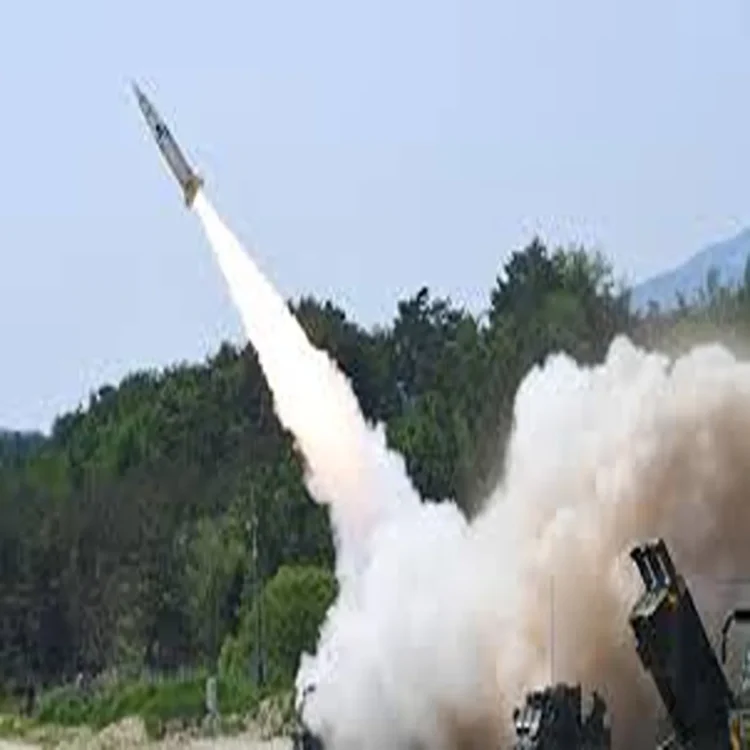
Details of the Missile Launch
The missiles reportedly traveled a considerable distance, covering roughly 4,000 kilometers from Iranian territory toward the Chagos Islands, where the strategic base is situated. One of the missiles is believed to have malfunctioned mid-flight, while the other was intercepted by a defensive system launched from a US naval vessel in the region. However, it remains unclear whether the interception was fully successful.
While no damage was reported and the base remained unaffected, the attempted strike has raised questions about the range and precision of Iran’s missile arsenal. Analysts suggest that even an unsuccessful launch demonstrates an ability to target locations much farther than previously assessed.
Strategic Importance of Diego Garcia
Diego Garcia holds significant military value for both the United States and the United Kingdom. Situated in a remote part of the Indian Ocean, it serves as a key logistical and operational hub for military activities across Asia and the Middle East. The base has played a central role in past operations, including campaigns in Afghanistan and Iraq.
In recent years, the facility has hosted long-range bombers and advanced military equipment, enabling rapid deployment across regions of strategic interest. Its location offers a tactical advantage, allowing forces to operate with relative security while maintaining reach across multiple theaters.
Response from Officials
The Pentagon has not issued an official statement regarding the reported missile launches. This silence has left room for speculation, though defense experts believe such incidents are closely monitored as part of broader regional security assessments.
Military observers note that even limited information about such events can carry strategic implications, particularly when it involves testing or demonstrating new capabilities. The absence of confirmation does not diminish the potential significance of the development.
Broader Geopolitical Context
The incident comes amid ongoing tensions involving Iran and Western powers. Diego Garcia has been identified as one of the bases used for defensive positioning in relation to potential threats from Tehran. This context adds weight to the recent report, as it suggests the possibility of signaling or strategic messaging through missile tests.
At the same time, geopolitical developments surrounding the Chagos Islands add another layer of complexity. The United Kingdom has agreed to transfer sovereignty of the islands to Mauritius after decades of control, while maintaining a lease arrangement that allows continued use of the base.
Political Reactions and Future Implications
The planned transfer of the Chagos Islands has faced criticism from some political leaders, including former US President Donald Trump, who has publicly opposed the decision. Critics argue that changes in territorial control could have implications for long-term military arrangements and strategic stability in the region.
Meanwhile, the reported missile launches are likely to intensify discussions about regional security, missile defense systems, and the balance of power in the Indian Ocean. Experts suggest that continued monitoring and diplomatic engagement will be essential to prevent further escalation.
As global attention remains focused on evolving military technologies and shifting alliances, incidents such as this highlight the importance of preparedness and international cooperation in maintaining stability.