
Migration – EU Leaders Strengthen Preparedness Amid Rising Middle East Tensions
Migration – European Union leaders have stressed the need for continued vigilance as tensions in the Middle East raise concerns about potential migration pressures on the bloc. While no immediate increase in migration has been recorded, officials say the situation requires close monitoring and readiness.
Focus on Early Preparedness
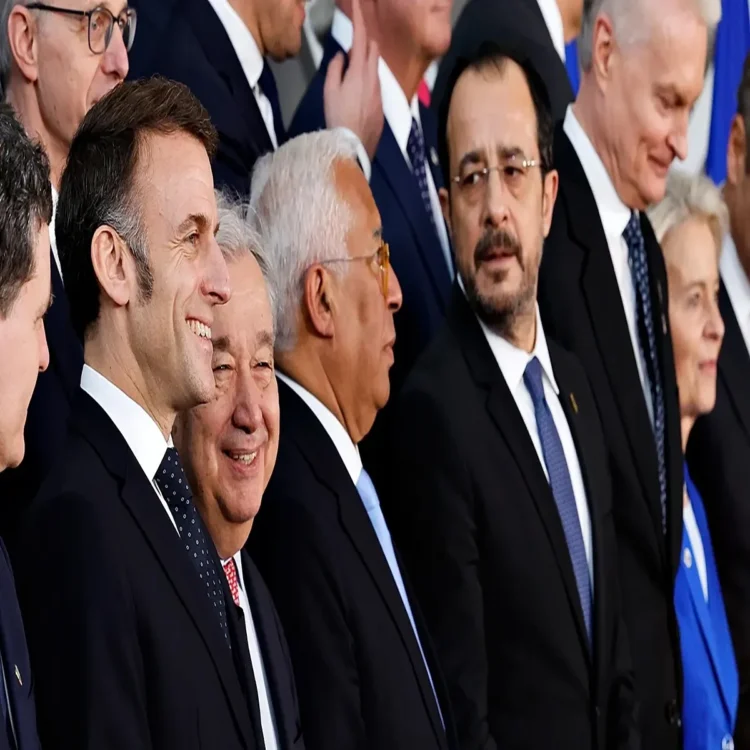
At a recent European Council meeting, leaders acknowledged that current conflicts in the Middle East have not yet resulted in a surge of migrants heading toward Europe. However, they emphasized that conditions could change quickly. To avoid being caught off guard, member states agreed on the importance of maintaining a strong state of preparedness and coordination.
Officials highlighted that migration patterns can shift rapidly during periods of instability, making early action critical. The European Union aims to ensure that its systems are capable of responding effectively should the situation deteriorate.
Learning from Past Challenges
The EU’s approach is shaped by lessons learned during the 2015 migration crisis, when more than one million people entered Europe due to conflicts in countries such as Syria, Afghanistan, and Iraq. That period placed immense pressure on border control mechanisms and asylum systems, exposing gaps in coordination and response.
Drawing from that experience, EU leaders reiterated their commitment to using all available resources, including diplomatic engagement, legal frameworks, operational capacity, and financial support, to manage any future migration flows. Strengthening external border security remains a central priority.
Reinforcing Border Security Measures
In their joint conclusions, leaders confirmed that safeguarding the EU’s external borders will continue to be a key focus. Efforts are underway to enhance monitoring systems, improve coordination among member states, and deploy additional resources where necessary.
The goal is to balance humanitarian responsibilities with the need to maintain order and security. Authorities are also working to ensure that border management remains consistent with international law and human rights standards.
Call for De-escalation in the Middle East
EU leaders also addressed the broader geopolitical situation, urging all parties involved in the Middle East conflicts to exercise restraint. They called for immediate steps to reduce tensions and prevent further escalation.
The bloc expressed support for respecting international law and proposed a pause in attacks targeting essential infrastructure such as energy and water facilities. Officials believe that reducing conflict intensity could help limit the risk of displacement and migration.
Expanding Maritime Security Operations
To strengthen its strategic presence, the European Union plans to enhance its maritime security efforts. Leaders indicated that additional resources would be allocated to ongoing naval missions, including EUNAVFOR Aspides and EUNAVFOR Atalanta.
These operations play a vital role in maintaining stability across key maritime routes, covering areas such as the Red Sea, the Indian Ocean, and parts of the Gulf region. By reinforcing these missions, the EU aims to ensure safer shipping lanes and support broader regional security.
Global Calls for Diplomatic Solutions
During the meeting, United Nations Secretary-General Antonio Guterres urged major powers, including the United States and Israel, to seek diplomatic solutions rather than continuing military action involving Iran. He stressed that dialogue remains the most effective way to prevent further instability.
Guterres’ appeal aligns with the EU’s broader position that long-term peace and stability in the Middle East are essential to addressing migration challenges and ensuring global security.
As geopolitical tensions persist, European leaders continue to prioritize preparedness, coordination, and diplomacy. Their approach reflects a cautious but proactive stance aimed at preventing crises before they unfold.