
MiddleEastTensions – Lebanon PM Warns After Cross-Border Rocket Fire
MiddleEastTensions – Lebanese Prime Minister Nawaf Salam on Monday cautioned that the firing of rockets from the country’s southern border is putting civilian lives at risk and undermining national stability. He warned that such actions could offer Israel further justification to press ahead with military operations inside Lebanon.
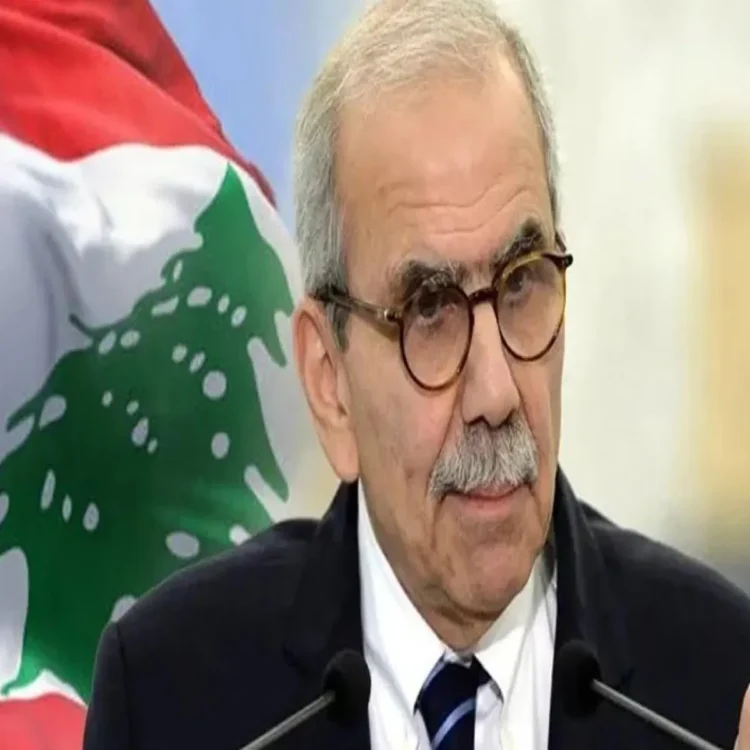
Prime Minister Issues Strong Warning
In a statement shared on social media platform X, Salam criticized those responsible for the rocket launches without naming any specific group. He described the action as reckless and potentially damaging to Lebanon’s security.
“Whoever is behind these launches, they are irresponsible and raise serious suspicion,” Salam wrote. He stressed that such actions expose the country to renewed conflict and create grounds for Israel to intensify its attacks.
The prime minister also made clear that his government would not allow Lebanon to be drawn into what he called “new adventures.” He pledged decisive steps to identify those responsible and to safeguard Lebanese citizens from further escalation.
Hezbollah Claims Retaliatory Action
The warning followed a series of rockets fired toward northern Israel by Hezbollah. The armed group described the attack as retaliation for the killing of Iran’s Supreme Leader, Ayatollah Ali Khamenei.
This marked the first time Hezbollah had launched strikes against Israel since a ceasefire agreement took effect in November 2024. That truce, brokered after weeks of cross-border violence, had significantly reduced hostilities between the two sides.
On Sunday, Hezbollah leader Naim Qassem delivered a formal address condemning what he called Israel’s assassination of Khamenei. He labeled the killing “the height of crime,” signaling heightened tensions before the rocket fire occurred.
Israeli Military Responds With Airstrikes
In response to the rocket launches, Israel carried out airstrikes targeting areas in Lebanon known to be under Hezbollah influence. The Israel Defense Forces (IDF) confirmed it had begun attacking what it described as militant positions across Lebanese territory.
According to the Israeli military, one of the rockets was intercepted by air defense systems, while others landed in open spaces. Air raid sirens sounded across several communities in northern Israel as a precaution.
Israel’s emergency response agency, Magen David Adom, reported no immediate fatalities. However, several individuals sustained minor injuries while rushing to shelters during the alerts.
Fragile Ceasefire Under Pressure
Cross-border fire between Lebanon and Israel had largely subsided after the November 2024 ceasefire. Although sporadic incidents were reported, large-scale exchanges had been avoided for months.
Despite the truce, Israel has continued conducting periodic airstrikes in southern and eastern Lebanon. Israeli officials have said these operations are aimed at preventing potential threats and disrupting militant activities.
The latest exchange raises concerns about the durability of the ceasefire and the possibility of renewed conflict along the volatile frontier. Analysts say both sides appear cautious but remain prepared for further escalation if hostilities continue.
Regional Implications
The developments come amid broader tensions across the Middle East, where shifting alliances and recent high-profile assassinations have heightened instability. Hezbollah’s decision to resume rocket fire, even briefly, signals that the situation along the Israel-Lebanon border remains delicate.
For Lebanon, already grappling with political and economic challenges, the prospect of renewed military confrontation presents significant risks. Salam’s public remarks underscore the government’s attempt to distance itself from actions that could trigger a wider war.
As diplomatic efforts continue behind the scenes, regional observers are closely monitoring whether both parties will step back from further retaliation or whether the recent strikes mark the beginning of another cycle of violence.
MiddleEastTensions – Lebanon PM Warns After Cross-Border Rocket Fire
Lebanon security crisis and regional escalation concerns –
Lebanese Prime Minister Nawaf Salam on Monday cautioned that the firing of rockets from the country’s southern border is putting civilian lives at risk and undermining national stability. He warned that such actions could offer Israel further justification to press ahead with military operations inside Lebanon.
Prime Minister Issues Strong Warning
In a statement shared on social media platform X, Salam criticized those responsible for the rocket launches without naming any specific group. He described the action as reckless and potentially damaging to Lebanon’s security.
“Whoever is behind these launches, they are irresponsible and raise serious suspicion,” Salam wrote. He stressed that such actions expose the country to renewed conflict and create grounds for Israel to intensify its attacks.
The prime minister also made clear that his government would not allow Lebanon to be drawn into what he called “new adventures.” He pledged decisive steps to identify those responsible and to safeguard Lebanese citizens from further escalation.
Hezbollah Claims Retaliatory Action
The warning followed a series of rockets fired toward northern Israel by Hezbollah. The armed group described the attack as retaliation for the killing of Iran’s Supreme Leader, Ayatollah Ali Khamenei.
This marked the first time Hezbollah had launched strikes against Israel since a ceasefire agreement took effect in November 2024. That truce, brokered after weeks of cross-border violence, had significantly reduced hostilities between the two sides.
On Sunday, Hezbollah leader Naim Qassem delivered a formal address condemning what he called Israel’s assassination of Khamenei. He labeled the killing “the height of crime,” signaling heightened tensions before the rocket fire occurred.
Israeli Military Responds With Airstrikes
In response to the rocket launches, Israel carried out airstrikes targeting areas in Lebanon known to be under Hezbollah influence. The Israel Defense Forces (IDF) confirmed it had begun attacking what it described as militant positions across Lebanese territory.
According to the Israeli military, one of the rockets was intercepted by air defense systems, while others landed in open spaces. Air raid sirens sounded across several communities in northern Israel as a precaution.
Israel’s emergency response agency, Magen David Adom, reported no immediate fatalities. However, several individuals sustained minor injuries while rushing to shelters during the alerts.
Fragile Ceasefire Under Pressure
Cross-border fire between Lebanon and Israel had largely subsided after the November 2024 ceasefire. Although sporadic incidents were reported, large-scale exchanges had been avoided for months.
Despite the truce, Israel has continued conducting periodic airstrikes in southern and eastern Lebanon. Israeli officials have said these operations are aimed at preventing potential threats and disrupting militant activities.
The latest exchange raises concerns about the durability of the ceasefire and the possibility of renewed conflict along the volatile frontier. Analysts say both sides appear cautious but remain prepared for further escalation if hostilities continue.
Regional Implications
The developments come amid broader tensions across the Middle East, where shifting alliances and recent high-profile assassinations have heightened instability. Hezbollah’s decision to resume rocket fire, even briefly, signals that the situation along the Israel-Lebanon border remains delicate.
For Lebanon, already grappling with political and economic challenges, the prospect of renewed military confrontation presents significant risks. Salam’s public remarks underscore the government’s attempt to distance itself from actions that could trigger a wider war.
As diplomatic efforts continue behind the scenes, regional observers are closely monitoring whether both parties will step back from further retaliation or whether the recent strikes mark the beginning of another cycle of violence.