
MiddleEastCrisis – UN Chief Warns Rising Tensions Threaten Global Peace and Stability
MiddleEastCrisis – The United Nations has voiced growing concern over the worsening situation in West Asia, warning that the rising hostilities could have far-reaching consequences for international stability. UN Secretary-General Antonio Guterres said the unfolding developments present a serious challenge to global peace and security while continuing to cause severe hardship for civilians caught in the conflict.
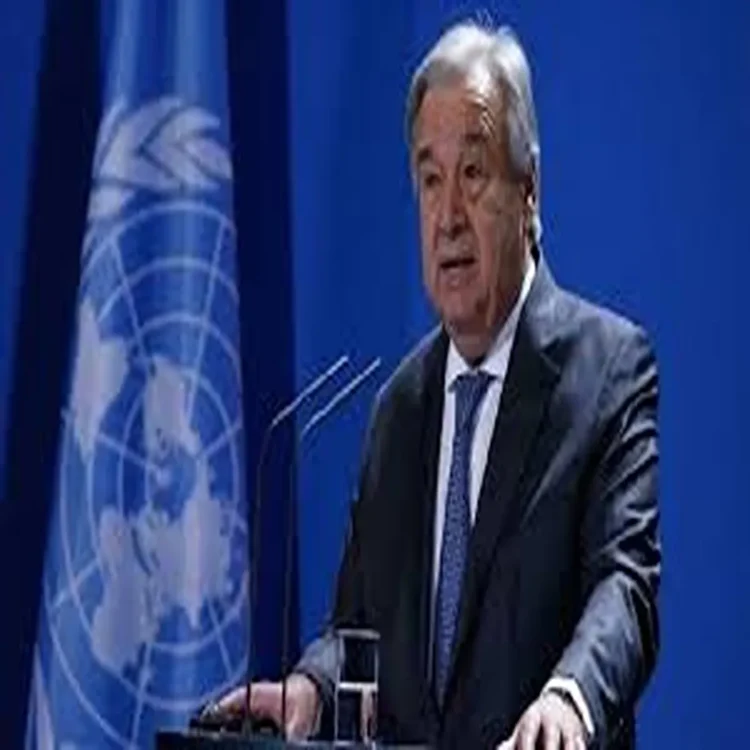
UN expresses alarm over worsening regional conflict
Speaking through a message posted on social media platform X on Thursday, Guterres highlighted the humanitarian toll of the escalating confrontation. He noted that the situation has already brought significant suffering to ordinary people and urged all parties involved to move toward lowering tensions.
The UN chief stressed that continued military escalation risks deepening the crisis further. According to him, the region is already under considerable strain, and additional violence could worsen instability not only locally but also internationally. He reiterated that protecting civilians must remain a priority during any conflict and called on leaders to pursue peaceful solutions.
Diplomacy urged as the only sustainable path forward
Guterres emphasized that meaningful dialogue remains the most effective route to resolving the crisis. He appealed to governments and involved groups to immediately halt hostilities and engage in diplomatic negotiations aimed at easing tensions.
He also reminded parties of their obligations under international law, including the need to safeguard civilian lives and critical infrastructure. According to the UN secretary-general, returning to the negotiating table is essential to prevent the situation from spiraling into a broader regional confrontation.
Iran raises allegations over attack in Beirut
Meanwhile, Iran’s ambassador to the United Nations, Amir Saeid Iravani, has accused Israel of carrying out a targeted strike that allegedly resulted in the deaths of four Iranian diplomats in Beirut, Lebanon. In a formal communication addressed to the UN Secretary-General, the Iranian envoy described the incident as a serious violation of international norms.
According to the letter, the strike reportedly took place on March 8 at the Ramada Hotel in Beirut. Iravani claimed that the individuals were temporarily staying at the hotel after Israeli defense authorities had publicly warned that Iranian officials in Lebanon could become targets.
The ambassador argued that the killing of diplomats representing a sovereign nation in the territory of another sovereign state constitutes a grave breach of international law. He described the incident as an act that undermines established diplomatic protections and global legal frameworks.
Concerns over violations of international conventions
In his correspondence with the United Nations leadership, Iravani also pointed to international agreements that safeguard diplomats and other protected persons. He said the alleged attack violated provisions outlined in the UN Charter as well as the 1973 Convention on the Prevention and Punishment of Crimes against Internationally Protected Persons.
The Iranian envoy further stated that actions targeting diplomats risk setting a dangerous precedent and could further destabilize an already tense region. He urged the international community to address what he described as a serious breach of diplomatic protections.
Calls for responsible global leadership
Amid the growing tensions, the UN Secretary-General has appealed to world leaders to approach the crisis with caution and responsibility. During an emergency discussion focusing on developments involving Iran and the wider Middle East, Guterres warned that military escalation could trigger unpredictable consequences.
He stressed that the Middle East remains one of the most volatile regions in the world, and any large-scale military action could ignite a chain of events that may be difficult to control. According to him, coordinated international efforts are necessary to prevent the situation from deteriorating further.
Reiterating his message, Guterres once again urged an immediate end to hostilities and encouraged all parties to pursue de-escalation. He said cooperative diplomacy and responsible leadership are essential to guide the region away from the brink of a wider conflict.