
MiddleEastConflict – Rising Child Casualties Highlight Deepening Humanitarian Crisis
MiddleEastConflict – More than three weeks into the escalating tensions across the Middle East, the impact on children has reached alarming levels, with thousands either losing their lives or suffering injuries. According to senior officials from the United Nations Children’s Fund (UNICEF), the situation is rapidly deteriorating, raising serious concerns about the long-term consequences for the region’s youngest population.
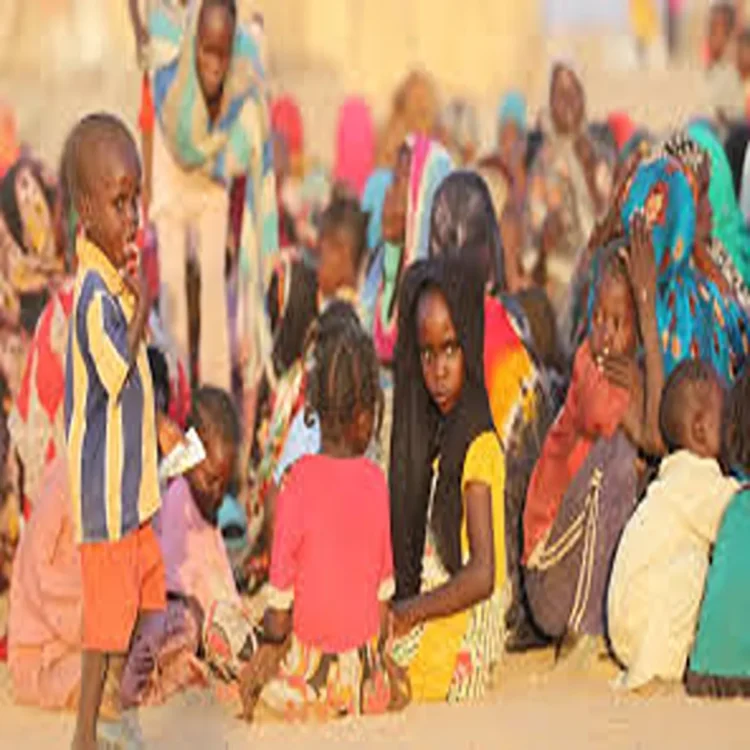
Mounting Toll on Children Across Conflict Zones
UNICEF Deputy Executive Director Ted Chaiban revealed that over 2,100 children have been killed or injured since the recent surge in violence began. Addressing reporters at the United Nations headquarters in New York, he described the situation as deeply troubling, warning that continued escalation could lead to even more devastating outcomes.
The reported figures show significant casualties across multiple countries. Iran recorded the highest number of child deaths, followed by Lebanon. Additional casualties were also confirmed in Israel and Kuwait. On average, nearly 87 children have been affected every single day since the conflict intensified, highlighting the relentless human cost of the crisis.
Widespread Displacement Adds to Humanitarian Strain
Beyond the immediate casualties, the ongoing conflict has forced millions of families to flee their homes. Continuous airstrikes, safety concerns, and evacuation orders have led to large-scale displacement across the region.
In Iran alone, estimates suggest that up to 3.2 million people have been uprooted, including hundreds of thousands of children. Lebanon is facing a similar crisis, with over one million people displaced, among them a substantial number of minors. The sudden movement of such large populations has placed immense pressure on already strained resources and infrastructure.
Pre-Existing Vulnerabilities Deepen Crisis
Even before the current escalation, millions of children in the Middle East were living in fragile and conflict-affected environments. UNICEF estimates indicate that approximately 44.8 million children were already exposed to instability, making them particularly vulnerable to the latest wave of violence.
This existing vulnerability has amplified the impact of the conflict, leaving many children without access to basic necessities such as healthcare, education, and safe shelter.
Education and Essential Services Severely Disrupted
Chaiban also highlighted the severe disruption to education systems, particularly in Lebanon. Hundreds of public schools have been converted into temporary shelters for displaced families, interrupting the education of nearly 100,000 students.
At the same time, critical infrastructure has suffered extensive damage. Water supply systems have been affected, and healthcare services are under immense strain. Reports also indicate that some health workers have lost their lives while attempting to assist those in need, further weakening emergency response efforts.
Aid Efforts Struggle to Keep Pace
Humanitarian organizations, including UNICEF, are working to provide relief to those affected. Assistance has reached thousands of displaced individuals across multiple shelters and hard-to-access areas. Support includes essential supplies, along with water and sanitation services for tens of thousands of people.
However, officials warn that the scale of the crisis is expanding faster than aid can be delivered. Limited resources and increasing demand are creating significant challenges for relief operations.
Call for Immediate De-escalation
UNICEF has urged all parties involved in the conflict to adhere strictly to international humanitarian law, emphasizing the need to protect civilians, especially children. Officials have also echoed broader calls from the United Nations leadership for an urgent reduction in hostilities and a move toward a political resolution.
Without immediate action, the situation risks worsening further, potentially affecting millions more children across the region.