
MiddleEast – Saudi Minister Condemns Iran Actions, Calls for Regional Stability
MiddleEast – Saudi Arabia’s Foreign Minister, Prince Faisal bin Farhan, has issued a strong rebuke of Iran’s regional conduct, accusing Tehran of engaging in actions that undermine stability and violate international norms. Speaking on Friday after a high-level meeting with foreign ministers from Arab and Islamic nations hosted in Saudi Arabia, he emphasized that such behavior poses serious risks to both regional and global peace.
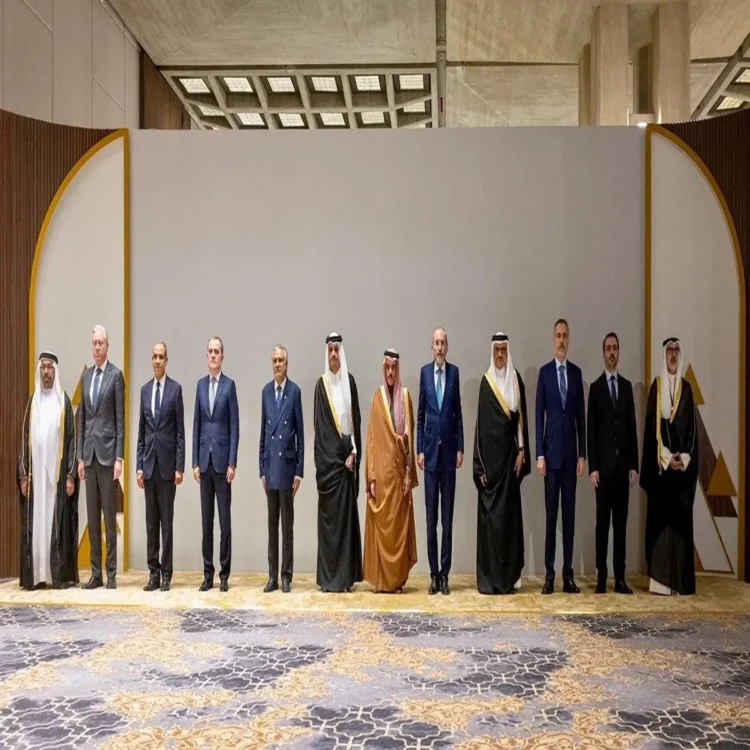
Strong Criticism After Multinational Meeting
Addressing reporters following the discussions, Prince Faisal said Iran’s recent activities reflect a pattern of escalation rather than cooperation. He noted that several participating countries expressed shared concern over what they described as repeated violations of international law and disregard for diplomatic principles.
According to the Saudi minister, attacks attributed to Iran have targeted not only Saudi Arabia but also Gulf Cooperation Council countries and other nations in the Arab and Islamic world. He stressed that these actions have strained regional relationships and contributed to growing instability.
Concerns Over Civilian Impact
Prince Faisal highlighted the human and economic toll of these incidents, pointing to damage inflicted on residential areas, infrastructure, and essential facilities. He said such attacks have resulted in loss of life and disrupted vital services, affecting both national interests and broader regional stability.
He rejected any suggestion that these incidents were accidental, describing them instead as deliberate acts that form part of a wider strategy. The minister also accused Iran of supporting armed groups in neighboring countries, which he said has further complicated efforts to maintain peace.
Call for Immediate De-escalation
The Saudi foreign minister urged Iran to halt what he described as aggressive policies and to adhere to the principles of good neighborly relations. He warned that continued escalation would likely isolate Iran further on the international stage and increase political and economic pressure on the country.
Prince Faisal emphasized that diplomatic solutions remain the preferred path forward but said repeated warnings have not led to meaningful change. He called for accountability and stressed the importance of respecting established agreements and international commitments.
International Support and UN Resolution
During the press briefing, the minister pointed to what he described as strong international backing for efforts to address the situation. He referenced support from 136 United Nations member states for a Security Council resolution calling on Iran to cease hostile actions and avoid further provocations.
Participating countries at the meeting also urged full implementation of the resolution and called for an end to support for proxy groups operating in the region. According to Prince Faisal, such measures are essential for restoring trust and reducing tensions.
Maritime Security and Global Economy at Risk
Another key issue discussed at the meeting was the security of maritime routes, particularly in the Arabian Gulf and the Strait of Hormuz. Prince Faisal condemned attacks on commercial vessels and disruptions to shipping lanes, warning that these incidents could have far-reaching consequences for global trade.
He noted that any threat to freedom of navigation not only endangers regional security but also affects energy supplies and food distribution worldwide. Developing countries, he added, are especially vulnerable to such disruptions.
Continued Regional Coordination
In his closing remarks, Prince Faisal said consultations among regional countries would continue in the coming weeks. He emphasized the need for coordinated responses to emerging challenges and reaffirmed Saudi Arabia’s commitment to working with international partners to safeguard stability.
He added that ongoing dialogue and collective action would be crucial in addressing the evolving situation and ensuring long-term security in the region.