
MiddleEast – Diplomatic Signals Emerge Amid Continued Iran-Israel Conflict
MiddleEast – The United States has initiated a fresh diplomatic outreach to Iran, signaling a possible shift toward de-escalation after weeks of intense conflict across the Middle East. President Donald Trump indicated that Washington is currently engaged in discussions aimed at ending the prolonged hostilities, even as violence continues to unfold across multiple fronts.
Diplomatic Outreach Gains Momentum
According to statements made at the White House, President Trump revealed that a proposal had been sent to Tehran, expressing optimism about a potential resolution. While Iran has not officially confirmed direct negotiations, recent developments suggest a cautious openness to dialogue. Trump also hinted at a significant gesture from Iran related to maritime activity, though he did not provide specific details.
Shortly afterward, Iran communicated through international maritime channels that vessels considered “non-hostile” would be allowed to pass through the Strait of Hormuz. This vital waterway handles a significant portion of the world’s oil supply, and its partial reopening immediately impacted global markets.
Oil Markets Respond to Developments
The announcement from Tehran contributed to a noticeable drop in crude oil prices, which had surged during the conflict due to supply concerns. The Strait of Hormuz had seen limited activity as shipping companies hesitated amid rising risks and insurance challenges.
Fuel prices in the United States had also risen sharply during the crisis, adding domestic pressure on the administration. The easing of tensions, even if temporary, has provided some relief to global energy markets.
Proposal Hints at Nuclear Negotiations
Reports suggest that the United States has outlined a structured proposal involving several conditions. Central to the plan is the demand that Iran halt any progress toward developing nuclear weapons capabilities. In return, the proposal is believed to include discussions on sanctions relief and support for civilian nuclear energy development.
There are also indications that a temporary ceasefire could be part of the plan, allowing both sides time to negotiate broader terms. However, these details remain unconfirmed by official sources in Tehran.
Continued Violence Underscores Fragility
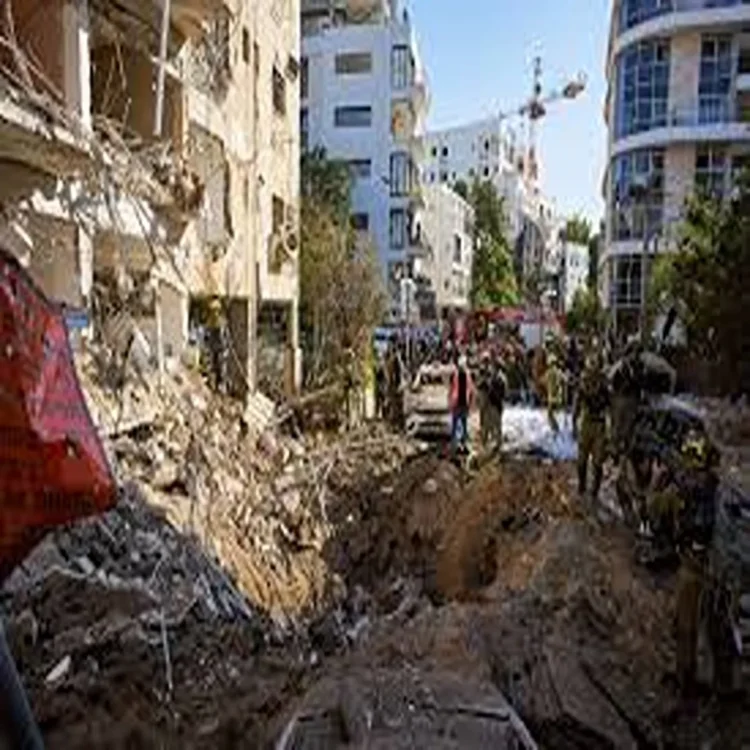
Despite signs of diplomacy, the situation on the ground remains volatile. Missile exchanges have continued, with injuries reported in Israel following recent Iranian strikes. Israeli forces have responded with extensive air operations targeting multiple locations.
Residents in affected regions continue to face daily uncertainty. Civilians in Tehran have expressed growing concern over potential attacks on critical infrastructure, particularly oil and gas facilities, which are vital to the country’s economy.
Regional Conflict Expands Further
The conflict has also intensified beyond Iran and Israel. In Lebanon, Israeli military operations against armed groups have escalated, with reports indicating plans to extend control over southern territories. Airstrikes have been carried out in several areas, leading to casualties and large-scale displacement.
At the same time, tensions have risen between Lebanon’s government and Iran, with officials in Beirut taking a firmer stance against external influence. Several Gulf nations have also reported intercepting drones and missiles, highlighting the broader regional impact of the conflict.
Military Preparations Continue
Even as diplomatic channels remain open, reports indicate that the United States is preparing to deploy additional troops to the region. This move reflects a dual strategy of maintaining military readiness while pursuing negotiations.
Israeli officials have also reaffirmed their commitment to ongoing military objectives, stating that operations will continue until perceived threats are neutralized.
Uncertain Path Ahead
While recent developments offer a glimpse of possible de-escalation, the situation remains highly uncertain. The combination of ongoing military actions and tentative diplomatic efforts underscores the complexity of the conflict.
Much will depend on whether both sides are willing to engage constructively in negotiations and whether proposed terms can address long-standing concerns. For now, the world watches closely as events continue to unfold in one of the most sensitive regions globally.