
MaritimeSecurity – UN Forms Task Force Amid Hormuz Shipping Concerns
MaritimeSecurity – The United Nations has raised concerns over increasing instability in West Asia, cautioning that any disruption to shipping through the Strait of Hormuz could have far-reaching consequences. These impacts may extend beyond energy markets, affecting humanitarian aid distribution and agricultural production worldwide. In response, the UN has announced the formation of a specialized task force aimed at addressing these emerging challenges.
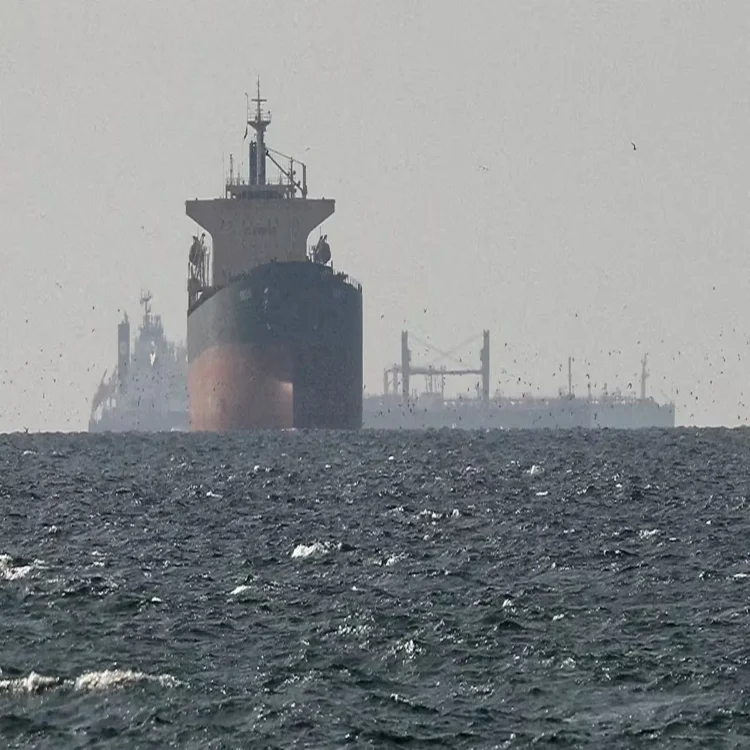
UN Announces Coordinated Global Response Mechanism
According to an official statement delivered by the spokesperson for the UN Secretary-General, the newly established task force will be led by Jorge Moreira da Silva, who currently heads the United Nations Office for Project Services. The group will include key international bodies such as the UN Conference on Trade and Development, the International Maritime Organization, and the International Chamber of Commerce. Additional stakeholders may be brought in as the situation evolves.
The task force is expected to focus on developing practical and technical solutions to ensure that essential goods, particularly humanitarian supplies, continue to move through the critical waterway without disruption.
Focus on Safeguarding Essential Trade Flows
A major priority for the initiative is to maintain the steady flow of fertilisers and related materials, which are vital for global agriculture. The UN has indicated that the framework for this mechanism will draw lessons from previous successful efforts, including initiatives implemented in Yemen, the Black Sea region, and Gaza.
Officials emphasized that the mechanism will operate in coordination with member states, fully respecting national sovereignty and existing international laws governing maritime activity.
Potential to Support Broader Diplomatic Efforts
The UN believes that if the task force succeeds, it could help build trust among nations and contribute to easing tensions in the region. This, in turn, may create an environment more conducive to diplomatic dialogue and long-term political solutions.
Jean Arnault, the Secretary-General’s personal envoy, will lead diplomatic engagement with concerned countries, working alongside the task force to support broader peacebuilding efforts.
US Remarks Add Political Dimension to Situation
Amid these developments, US President Donald Trump made remarks referring to the Strait of Hormuz in a controversial manner during a public event. While speaking at an international summit, he briefly used an alternative name for the waterway before correcting himself, later stating that the comment was intentional rather than accidental.
Trump also claimed that Iran is under increasing pressure and is actively engaging in negotiations. He suggested that reopening the Strait fully would be a key condition in any potential agreement between the two sides.
G7 Calls for Uninterrupted Navigation
In a separate development, foreign ministers from the Group of Seven nations stressed the urgent need to ensure safe and unrestricted passage through the Strait. In a joint statement, they highlighted the importance of maintaining maritime security in line with international law, including established UN conventions and the Law of the Sea.
The ministers underscored that uninterrupted navigation is essential not only for global energy supplies but also for broader economic stability.
Reports of Increased Control Measures Raise Concerns
Recent reports from maritime sources have indicated that Iran’s Islamic Revolutionary Guard Corps may be exercising tighter control over vessel movements in the Strait. According to these reports, ships are required to provide detailed documentation and follow designated routes under supervision.
However, India’s Shipping Ministry has dismissed claims of any formal toll or levy being imposed on ships passing through the region. Officials reiterated that navigation through the Strait remains governed by international agreements that guarantee freedom of movement.
Strategic Importance of the Strait Remains Central
The Strait of Hormuz continues to be one of the most critical maritime routes in the world, handling a significant portion of global oil shipments. Any disruption in this corridor has the potential to influence global markets, supply chains, and geopolitical stability.
As tensions persist, the UN’s proactive approach through the newly formed task force reflects growing international concern over maintaining stability in this vital region