
Maritime – Philippines Raises Alarm Over Alleged Cyanide Use in Disputed Waters
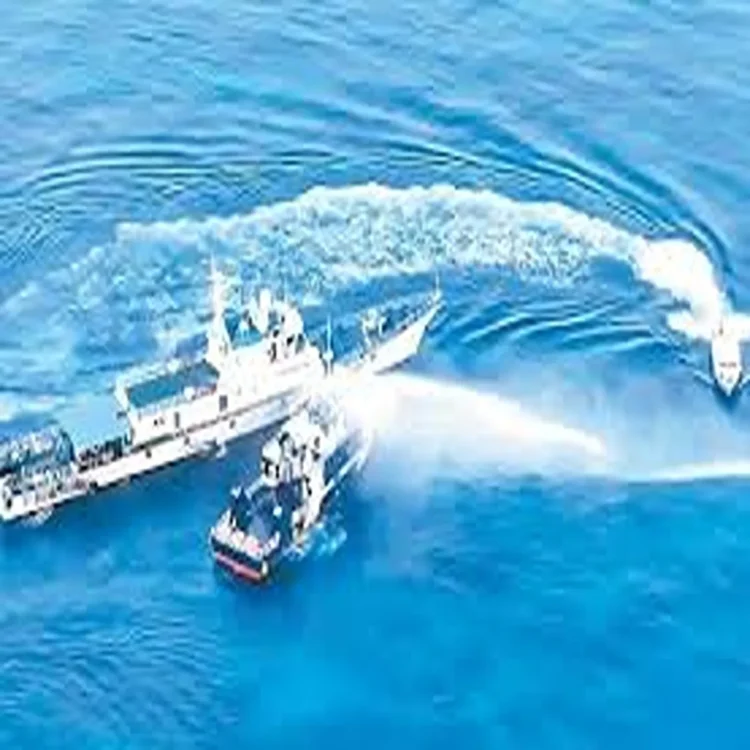
Maritime – The Philippines has accused Chinese fishermen of using cyanide in the waters of the Spratly Islands, escalating tensions in a region already marked by longstanding territorial disputes. Officials in Manila said the alleged activity has been taking place near Second Thomas Shoal, a strategically important location that has frequently witnessed confrontations between Philippine and Chinese vessels.
Allegations of Environmental Damage
According to the Philippine National Security Council, the reported use of cyanide began last year and has caused serious concern for both environmental safety and national security. Officials stated that the chemical could harm marine ecosystems by killing fish populations and damaging coral reefs in the area.
Cornelio Valencia, assistant director-general of the council, described the act as a form of deliberate sabotage. He said the contamination not only affects marine life but also disrupts a key food source for Filipino naval personnel stationed nearby. In addition, there are concerns about potential health risks from exposure to polluted water and consumption of contaminated fish.
Strategic Importance of the Area
Second Thomas Shoal, part of the Spratly Islands, lies close to critical international shipping routes and is believed to hold valuable mineral resources. The region has long been a focal point of competing claims, with China asserting control over most of the South China Sea despite an international ruling rejecting those claims.
The Philippines maintains a military presence at the shoal through the BRP Sierra Madre, a World War II-era ship intentionally grounded there in 1999 to reinforce its territorial claim. Officials now warn that damage to surrounding coral reefs could weaken the structural stability of the vessel.
Evidence and Recent Incidents
Philippine Navy spokesperson Rear Admiral Roy Vincent Trinidad said that troops have confiscated multiple bottles of cyanide from small boats believed to be linked to Chinese fishing operations. These seizures reportedly took place in February, July, and October of 2025.
He added that naval personnel recently observed another group of fishermen allegedly introducing the chemical into the water. Subsequent testing confirmed the presence of cyanide in the area. However, authorities noted that none of the stationed troops have shown signs of poisoning so far.
Diplomatic Response and Rising Tensions
The Philippine government has raised the issue with Chinese officials during recent discussions but has yet to receive a formal response. The Chinese embassy did not immediately comment on the allegations.
Valencia indicated that a detailed report will soon be submitted to the country’s foreign ministry. This document could serve as the basis for a formal diplomatic protest against Beijing.
Increased Patrols and Security Measures
In response to the situation, Manila has directed both its navy and coast guard to intensify patrol operations around the disputed shoal. The aim is to prevent further environmental harm and ensure the safety of personnel stationed in the region.
The latest development adds to an already strained relationship between the two countries. The South China Sea has seen multiple confrontations over the years, including a violent incident in mid-2024 when Chinese coastguard personnel reportedly boarded Philippine vessels using weapons such as knives and sticks.
As tensions continue to rise, the Philippines is focusing on both environmental protection and the assertion of its territorial rights in one of the world’s most contested maritime regions.