
Khalda Zia Death News: Khaleda Zia Passes Away at 80, Leaving a Defining Legacy in Bangladesh Politics
Khalda Zia Death News: The political landscape of Bangladesh witnessed a historic and emotional moment with the passing of Khaleda Zia, the country’s first female prime minister and a towering figure in South Asian politics. Her death marks the end of an era that shaped opposition politics, democratic movements, and leadership narratives for decades.
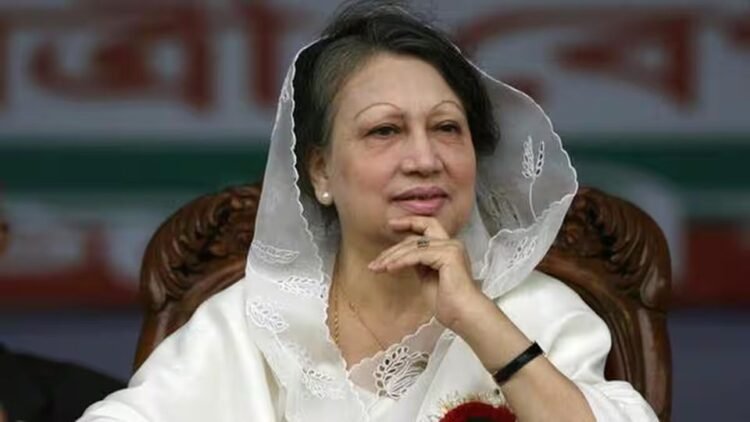
Background of Khaleda Zia’s Political Journey
Khaleda Zia rose to prominence as one of the most influential leaders in Bangladesh’s modern history. As the chairperson of the Bangladesh Nationalist Party, she played a central role in defining the country’s two-party political system. Her tenure as prime minister was marked by strong political rivalry, mass movements, and a focus on parliamentary democracy. Over the years, she became both a symbol of resistance for her supporters and a central figure of debate in national politics.
Confirmation of Death by BNP
The Bangladesh Nationalist Party officially confirmed that Khaleda Zia passed away at approximately 6:00 a.m. local time, shortly after the Fajr prayer. The announcement was made through the party’s verified digital platforms, including social media accounts, where party leaders and members expressed deep sorrow. The message also called upon citizens and supporters to offer prayers for her soul, reflecting the cultural and religious sentiments surrounding her passing.
Health Struggles and Medical Treatment
For several years, Khaleda Zia had been battling multiple chronic health conditions. According to her medical team, she was suffering from advanced liver cirrhosis, diabetes, arthritis, and various cardiac and respiratory complications. Since late November, she had been receiving treatment at Evercare Hospital Dhaka. As her condition worsened, doctors placed her on ventilator support in mid-December to stabilize her vital organs. Despite continuous medical care, her health did not improve, ultimately leading to her demise.
A Critical Political Moment for Bangladesh
Her death comes at a sensitive time for the nation, as Bangladesh prepares for national elections scheduled for February 2026. The political environment remains tense following the July Uprising last year, which significantly altered the balance of power in the country. Khaleda Zia’s absence is expected to have a profound impact on opposition strategy, voter sentiment, and overall political dynamics during the election period.
Return of Tarique Rahman to Dhaka
Following her passing, attention has also turned to her son, Tarique Rahman, who serves as the acting chairperson of the BNP. After spending nearly 17 years in exile, he recently returned to Bangladesh from the United Kingdom. His return became possible after being acquitted in several long-running cases that were filed during the rule of the Sheikh Hasina government. Upon arrival, Tarique Rahman visited his mother at the hospital and spent significant time with her during her final days.
Public Response and Political Significance
Tarique Rahman’s arrival in Dhaka drew a massive crowd of party leaders and supporters near the airport, signaling renewed energy within the BNP ranks. Many political observers viewed this moment as a strategic turning point ahead of the upcoming elections. Khaleda Zia’s death, combined with her son’s return, is likely to reshape opposition leadership and influence future political narratives in Bangladesh.
Awaiting Funeral and Official Ceremonies
As of now, details regarding Khaleda Zia’s funeral arrangements and official commemorative programs have not been announced. The nation awaits further updates, with expectations of large public gatherings and tributes reflecting her long-standing role in national politics.