
Iran – Reports Indicate Supreme Leader’s Critical Health Condition in Qom
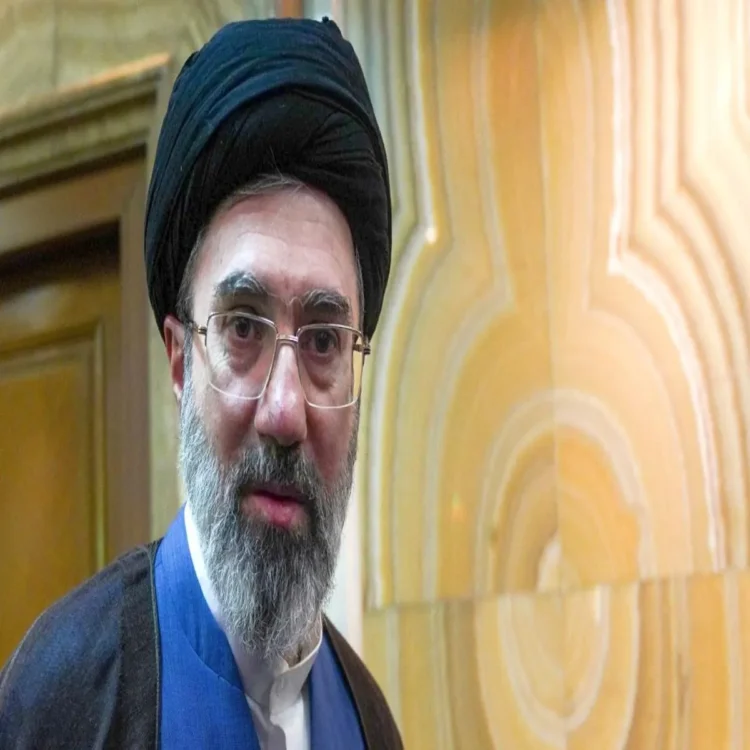
Iran – Iran’s Supreme Leader, Mojtaba Khamenei, is reportedly receiving medical care in the city of Qom, with emerging intelligence suggesting his condition may be serious. According to a report by The Times, which cited a confidential diplomatic memo based on intelligence assessments, Khamenei is believed to be unconscious and unable to carry out official duties.
Intelligence Inputs Raise Concerns
The diplomatic memo referenced in the report is said to rely on intelligence gathered by the United States and Israel, later shared with allied nations in the Gulf region. These assessments describe the Iranian leader’s condition as “severe,” indicating that he may currently be unable to participate in governance or decision-making processes.
The report also notes that this is the first time such intelligence has identified a specific location for Khamenei during this period, placing him in Qom. While the claims have not been independently verified, they have drawn attention due to their potential implications for Iran’s political stability.
Limited Public Appearances
Khamenei has not been seen publicly since tensions escalated in West Asia. In his absence, messages attributed to him have continued to be broadcast through state-controlled media channels. However, the lack of direct appearances has contributed to speculation regarding his health and ability to lead.
Officials have not issued a formal confirmation regarding his condition. Meanwhile, inquiries have reportedly been directed to the National Security Agency as well as Iran’s diplomatic mission in Washington, which operates through the Pakistani embassy, seeking clarity on the situation.
Rising Pressure From Washington
The developments come at a time of heightened geopolitical strain. US President Donald Trump recently issued a firm deadline to Iran, urging the country to reach an agreement aimed at ending the ongoing conflict. The deadline was set for 8:00 p.m. Eastern Time on Tuesday, with warnings of severe consequences if no deal is reached.
Speaking at the White House, Trump described the current moment as critical, stating that Iran had already been granted additional time beyond its initial request. He emphasized that the extension was intended to provide an opportunity for diplomatic resolution.
Strong Statements on Possible Consequences
Trump warned that failure to meet the deadline could lead to significant infrastructure damage within Iran. He stated that key facilities such as bridges and power plants could be targeted, underscoring the seriousness of the situation.
He also reflected on the broader timeline of US-Iran relations, noting that tensions have persisted for decades. According to Trump, the current actions should have been taken much earlier by previous administrations.
Shift in Strategic Balance
In his remarks, Trump claimed that Iran’s position had weakened significantly since the conflict intensified on February 28. He suggested that recent developments had reduced Iran’s strategic capabilities, describing the situation as a turning point.
Despite these assertions, he acknowledged that the situation remains fluid and outcomes are uncertain. Observers continue to monitor both the diplomatic efforts and internal developments within Iran closely.
Uncertainty Over Leadership and Stability
The reported health condition of Iran’s Supreme Leader adds another layer of uncertainty to an already tense situation. Leadership transitions or disruptions in decision-making could have far-reaching consequences, not only within Iran but across the region.
While official confirmation is still awaited, the combination of intelligence reports and geopolitical pressure has intensified global attention on Iran’s next steps.