
Iran – Government Declares National Unity Week Amid Rising Regional Tensions
Iran – Iran’s government has announced a nationwide initiative aimed at strengthening internal unity during a period of heightened regional tension. First Vice President Mohammad-Reza Aref said the administration has designated the upcoming week as the “Week of National Unity and Solidarity for Iran,” according to the country’s official news agency.
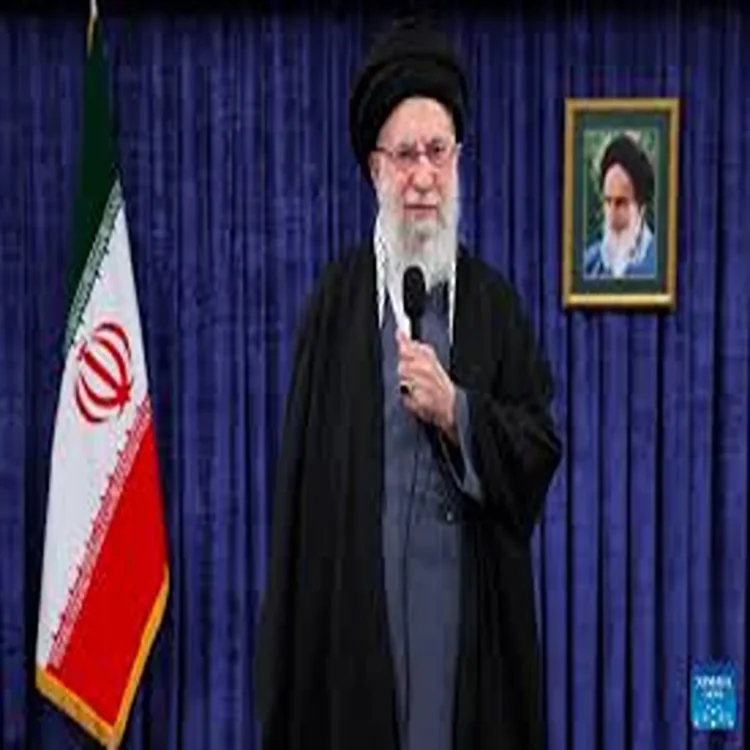
The announcement comes at a time when Iran’s leadership is urging citizens to remain united as geopolitical tensions in the Middle East continue to escalate.
Government Announces Nationwide Unity Initiative
Speaking on behalf of the administration, Aref explained that the decision to dedicate a week to national solidarity was influenced by a message issued earlier by Iran’s newly appointed Supreme Leader, Mojtaba Khamenei. In his statement, the leader emphasized the importance of social cohesion and collective resolve in safeguarding the country’s stability.
Aref said the government believes public participation and national unity are key pillars supporting Iran’s strength and long-term security. He added that encouraging a sense of shared purpose among citizens is essential as the country navigates political and regional challenges.
Officials indicated that the week-long initiative will focus on promoting dialogue, unity, and public engagement across different segments of society.
Leadership Message Highlights Importance of Public Support
In his message earlier in the day, Mojtaba Khamenei called on the Iranian population to maintain a strong sense of solidarity during what he described as a critical moment for the nation. The statement stressed that the country’s resilience depends largely on the active involvement of its people and the preservation of internal cohesion.
According to Iranian officials, the message underscored the idea that national unity remains one of the most important factors ensuring the country’s stability, particularly amid external pressures and regional security concerns.
Government representatives said the call for unity reflects a broader strategy aimed at reinforcing domestic stability while the country manages ongoing geopolitical tensions.
Iran Defends Position on Strait of Hormuz
Meanwhile, Iran’s permanent representative to the United Nations, Amir Saeid Iravani, addressed reporters regarding the situation surrounding the Strait of Hormuz, a vital global shipping route for energy supplies.
Iravani stated that Iran maintains what he described as an inherent right to safeguard peace and security in the strategic waterway. He emphasized that the country respects international maritime law and remains committed to the principle of freedom of navigation.
At the same time, the Iranian diplomat argued that the current tensions affecting the region are not the result of Iran exercising its right to self-defense. Instead, he attributed the situation to actions by the United States that he said have contributed to instability in the region.
His remarks reflect Iran’s ongoing diplomatic stance as international attention remains focused on the security of shipping lanes in the Gulf.
Call for Continued Closure of Key Waterway
In a separate statement, Supreme Leader Mojtaba Khamenei also addressed the strategic importance of the Strait of Hormuz. He said measures involving the restriction of access to the waterway should continue to be used as a strategic tool.
The strait remains one of the world’s most critical maritime passages, with a significant portion of global oil shipments passing through it each day. Any disruption in the area can have far-reaching consequences for global energy markets and international trade.
Background of Recent Regional Escalation
The developments come after a major escalation in late February. On February 28, Israel and the United States carried out coordinated military strikes targeting Tehran and several other Iranian cities.
The attacks resulted in the death of Iran’s then Supreme Leader Ali Khamenei along with several senior military officials and civilians, according to reports.
In response, Iran launched a series of missile and drone strikes aimed at Israeli targets and United States military facilities across parts of the Middle East. The exchange significantly intensified regional tensions and prompted increased diplomatic activity at international forums.
Analysts say the Iranian government’s focus on unity and solidarity reflects an effort to reinforce domestic stability as the country navigates the aftermath of the conflict and ongoing geopolitical uncertainty.