
Immigration – Mullin Backs Legal Entry While Urging Stronger Enforcement
Immigration – The nominee for US Homeland Security Secretary, Markwayne Mullin, has expressed support for lawful immigration while emphasizing the need for firm enforcement of existing immigration laws.
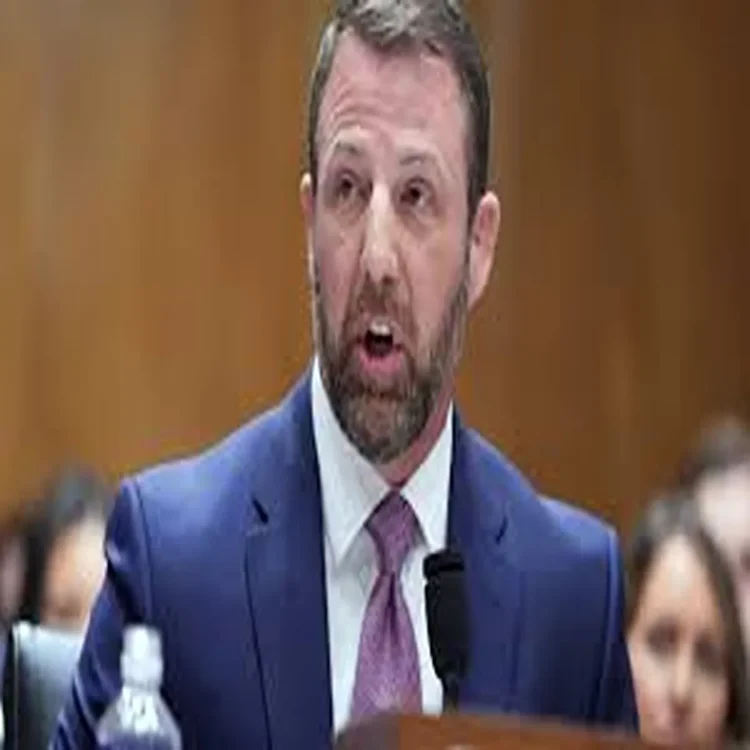
Mullin made his remarks during a Senate confirmation hearing on Wednesday, where he outlined his approach to managing immigration under the Department of Homeland Security (DHS). He drew a clear distinction between individuals who follow legal procedures to enter or remain in the country and those who do not.
Commitment to Legal Immigration Processes
During his testimony, Mullin highlighted the importance of maintaining and supporting legal immigration systems. He pointed to ongoing naturalisation ceremonies as evidence that the country continues to welcome individuals who comply with established rules.
He assured lawmakers that applicants pursuing legal status would continue to receive attention and processing. According to Mullin, individuals who follow the proper channels should expect the system to function efficiently and fairly.
Enforcement Framed as National Security Priority
At the same time, Mullin underscored that enforcing immigration laws remains a core responsibility of DHS. He described the agency’s primary mission as safeguarding the country, linking immigration enforcement directly to national security concerns.
He made it clear that enforcement efforts would not be selective, stating that all laws must be applied consistently. This position signals a firm stance on ensuring compliance across the board.
Lawmakers Raise Concerns Over Enforcement Practices
Members of the Senate raised questions about how enforcement actions might impact individuals who are already navigating legal immigration pathways. Some lawmakers referred to reported incidents where individuals were detained while attending official immigration appointments.
Mullin responded that he was not familiar with the specific cases mentioned. However, he reiterated that those actively pursuing legal status should continue to be processed without disruption.
Greater Role for Local Law Enforcement
One notable aspect of Mullin’s approach is his preference for increased coordination with local authorities. He suggested that involving local law enforcement more closely could help manage immigration enforcement more effectively.
This strategy, he indicated, could reduce the need for direct federal operations within communities, potentially addressing concerns about enforcement visibility and impact at the local level.
No Blanket Policies on Sensitive Locations
When questioned about enforcement actions in sensitive areas such as hospitals, Mullin avoided committing to broad restrictions. Instead, he explained that decisions would depend on specific circumstances and the presence of proper legal authorisation, such as warrants.
He reiterated his support for law enforcement personnel, stating that officers should be allowed to carry out their duties within the framework of the law.
Political Divide Evident During Hearing
The hearing highlighted ongoing divisions in Washington over immigration policy. Democratic lawmakers focused on issues related to civil liberties and the potential consequences of enforcement actions, while Republican members emphasized the importance of border control and strict law enforcement.
Mullin acknowledged public concerns and said he aims to restore confidence in DHS operations. He expressed a desire to reduce the agency’s presence in daily headlines by focusing on its primary responsibilities.
Limited Details on Policy Changes
While Mullin did not propose major changes to existing visa programs, his comments suggest a shift toward tighter oversight and stricter compliance measures. For immigrants, including skilled workers and green card applicants, this could mean closer scrutiny of applications and adherence to regulations.
DHS plays a central role in managing immigration enforcement, border security, and aspects of the legal immigration system. Its policies directly affect a wide range of individuals, including visa holders, asylum seekers, and those applying for permanent residency.
The Senate is expected to act on Mullin’s nomination in the coming days. Lawmakers have indicated that additional discussions may take place in private briefings to address outstanding questions.