
Headline: Wealth and Politics Intersect as Jamaat-e-Islami Prepares for Bangladesh Parliamentary Elections
Headline: As Bangladesh moves closer to its 13th parliamentary elections scheduled for February, a detailed look at candidate disclosures has revealed a striking financial profile among nominees of Jamaat-e-Islami. According to information published in Bangladeshi media, a significant majority of the party’s candidates contesting from constituencies in Dhaka are financially affluent. Out of the 17 Jamaat-e-Islami candidates fielded across 20 constituencies in the capital region, 13 have been identified as millionaires based on their officially submitted election affidavits. This disclosure has sparked fresh debate about the relationship between wealth, political power, and ideological positioning in the country’s electoral landscape.
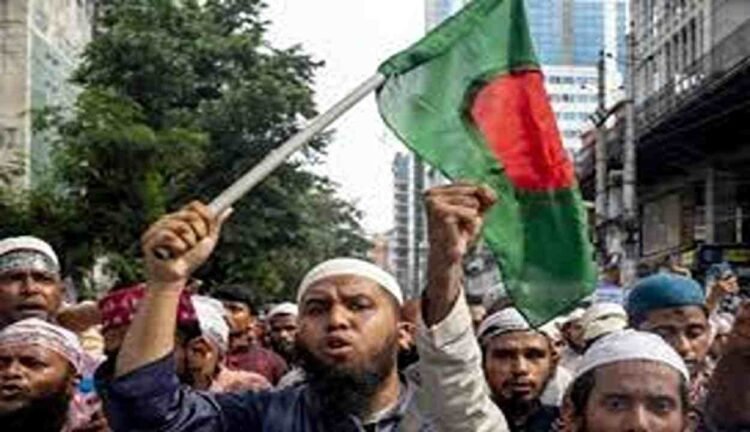
Financial Overview of Jamaat-e-Islami Candidates
Election affidavits submitted to the Election Commission provide a comprehensive snapshot of both movable and immovable assets owned by candidates. These documents indicate that the combined assets of Jamaat-e-Islami nominees in Dhaka amount to at least 10 million Bangladeshi taka or more per candidate in most cases. The figures include income sources, property holdings, business interests, and declared liabilities. Such transparency requirements are intended to strengthen electoral accountability, but they have also drawn attention to the growing financial strength of political contenders.
Top Asset Holders in Key Constituencies
One of the most notable disclosures comes from the Dhaka-7 constituency. Md Enayat Ullah, the Jamaat nominee from this seat, stands out as the wealthiest among the party’s Dhaka candidates. His total declared assets are estimated at around 1.16 billion taka. At the same time, his affidavit also lists substantial liabilities of approximately 830 million taka. Despite the debts, his net worth places him at the top of the financial hierarchy within the party’s candidate list.
Another prominent figure is Jamaat-e-Islami leader Shafiqur Rahman, who is contesting from Dhaka-15. His declared assets are comparatively modest, standing at roughly 15 million taka. While this figure is significantly lower than that of some other candidates, it still places him within the millionaire category under Bangladeshi standards.
Other High-Value Candidates and Disqualified Nominees
Several other candidates have also reported considerable wealth. Mohammad Nazrul Islam from Dhaka-1 and Md Abdul Haque from Dhaka-2 are among those categorized as millionaires. However, Md Abdul Haque’s nomination faced a setback after being cancelled during the scrutiny stage. Despite this, the decision remains open to appeal, leaving room for potential reinstatement depending on legal outcomes.
Not all Jamaat candidates in Dhaka fall into the high-asset bracket. Four nominees have declared assets below the 10 million taka threshold. These include Mohammad Kamal Hossain from Dhaka-5, Md Abdul Mannan from Dhaka-6, Md Afzal Hossain from Dhaka-19, and Md Abdur Rauf from Dhaka-20. Their comparatively lower asset declarations highlight the economic diversity that still exists within the party’s candidate pool.
Income Patterns and Annual Earnings
Beyond total assets, annual income figures provide further insight into the financial standing of Jamaat-e-Islami candidates. Md Enayat Ullah again leads in this category, reporting an annual income of approximately 68.6 million taka. He is followed by SM Khaliduzzaman, whose yearly earnings are estimated at around 36.4 million taka.
Other candidates report more moderate income levels. Kabir Ahmed earns close to 3.8 million taka annually, while Syed Zainul Abedin reports about 2.5 million taka per year. Muhammad Ashraful Haque’s annual income stands at roughly 2.3 million taka, with Jasim Uddin Sarker earning around 2.1 million taka. Abdul Baten and Mir Ahmad bin Quasem report lower annual incomes of about 1.6 million taka and 1.1 million taka respectively. These figures illustrate a wide income range among candidates contesting under the same party banner.
Seat Sharing and Alliance Politics in Dhaka
For the upcoming parliamentary election, Jamaat-e-Islami has not contested all available seats in Dhaka. Reports indicate that the party has given up three out of the 20 seats in the district and city areas as part of an electoral seat-sharing arrangement with alliance partners. Such arrangements are common in Bangladesh’s coalition-driven political environment and are often aimed at consolidating votes.
Under this agreement, the Dhaka-8 and Dhaka-11 constituencies have been allocated to the National Citizen Party. The party has nominated Nasiruddin Patwari and Nahid Islam for these seats respectively. Additionally, the Dhaka-13 constituency has reportedly been allocated to another ally, the Bangladesh Khelafat Majlis, further reflecting the strategic compromises involved in alliance politics.
Political Tensions Ahead of Election Day
The parliamentary elections, scheduled for February 12, are unfolding amid heightened political tension across Bangladesh. Within the National Citizen Party, dissatisfaction has reportedly been growing over the decision to align with Jamaat-e-Islami. Critics within the party argue that the alliance could have long-term implications for its political identity and voter base. As campaigning intensifies, these internal disagreements may influence both alliance cohesion and voter perceptions.
The disclosure of wealth among Jamaat-e-Islami candidates adds another layer to an already complex electoral scenario. It raises questions about the role of financial power in elections, especially within parties that emphasize ideological and religious narratives. As voters prepare to cast their ballots, the intersection of wealth, alliances, and political ideology is likely to remain a key talking point in Bangladesh’s evolving democratic process.