
GlobalSecurity – Netanyahu Warns of Continued Action Against Iran Threats
GlobalSecurity – Israeli Prime Minister Benjamin Netanyahu on Monday reiterated that Israel, along with the United States, will persist in taking firm measures against Iran, following a series of recent developments that have heightened regional and global concerns. His remarks came during visits to areas recently impacted by Iranian actions, underlining the seriousness of the situation.
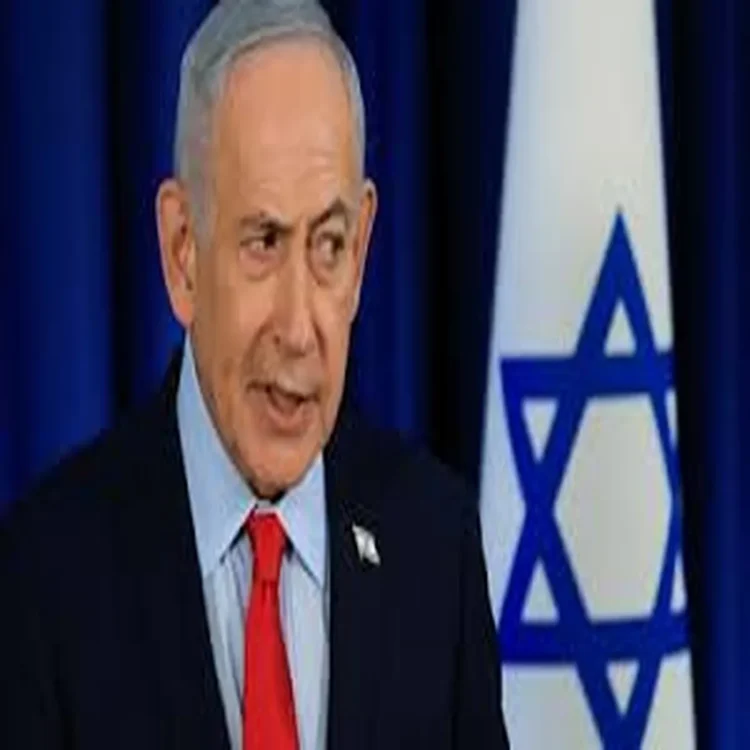
Visit to Affected Areas Highlights Civilian Impact
Netanyahu visited the southern Israeli city of Arad, which was reportedly struck by Iranian attacks a day earlier. During his visit, he emphasized the consequences of these actions on civilian populations. According to an official statement shared by his office, Iran’s recent activities were described as a direct challenge not only to Israel but also to broader international stability.
He later traveled to Dimona, where he addressed the media and outlined several incidents he attributed to Iran over the past two days. Netanyahu pointed to attacks targeting civilian zones, including areas near a children’s daycare and facilities housing elderly residents. He stressed that such actions, especially when involving weapons like cluster munitions, violate international norms and pose serious humanitarian concerns.
Concerns Over Attacks Near Religious Sites
In his remarks, Netanyahu also expressed alarm over missile launches directed toward Jerusalem. He warned that such strikes came dangerously close to key religious landmarks significant to multiple faiths. According to him, the potential damage to these sites could have had far-reaching consequences beyond the region.
He further claimed that Iran had demonstrated its long-range strike capability by targeting distant locations, including what he described as a strategic military base thousands of kilometers away. These actions, he suggested, indicate an expanding threat range that could extend to parts of Europe.
Strait of Hormuz and Global Energy Concerns
Another major point raised by Netanyahu was Iran’s stance regarding the Strait of Hormuz, a crucial maritime route for global oil shipments. He accused Tehran of attempting to use control over the strait as leverage, potentially disrupting international energy supplies.
Netanyahu framed these developments as part of a broader strategy aimed at exerting pressure on the global community. He called on world leaders, particularly those from Western and moderate nations, to respond more decisively. He also referenced past statements by former US President Donald Trump, urging greater international alignment in addressing the situation.
Iran Responds to Allegations
In response, Iranian President Masoud Pezeshkian dismissed remarks made by US leadership regarding Iran’s future, describing them as unrealistic and reflective of misunderstanding. He maintained that Iran remains a resilient nation with a strong historical identity.
Pezeshkian also addressed the issue of the Strait of Hormuz, stating that the waterway remains accessible to most countries. However, he indicated that Iran could take a different approach toward nations it considers adversarial, suggesting a conditional stance rather than a complete closure.
Rising Tensions and International Implications
The exchange of statements between Israeli and Iranian leadership highlights a period of heightened tension in the Middle East. Analysts note that the situation carries implications not only for regional security but also for global economic stability, particularly in energy markets.
As diplomatic channels remain active, the international community continues to monitor developments closely. Calls for restraint and dialogue are being balanced against growing concerns over military escalation and its potential consequences.