
GlobalPolitics – Trump Criticizes Pope Leo XIV Over War and Leadership Remarks
GlobalPolitics – Former U.S. President Donald Trump has launched a sharp public critique of Pope Leo XIV, questioning the pontiff’s leadership and accusing him of holding overly liberal views. The remarks, delivered through social media and later reinforced during an interaction with reporters, have drawn attention due to the unusual nature of such direct exchanges between political and religious authorities.
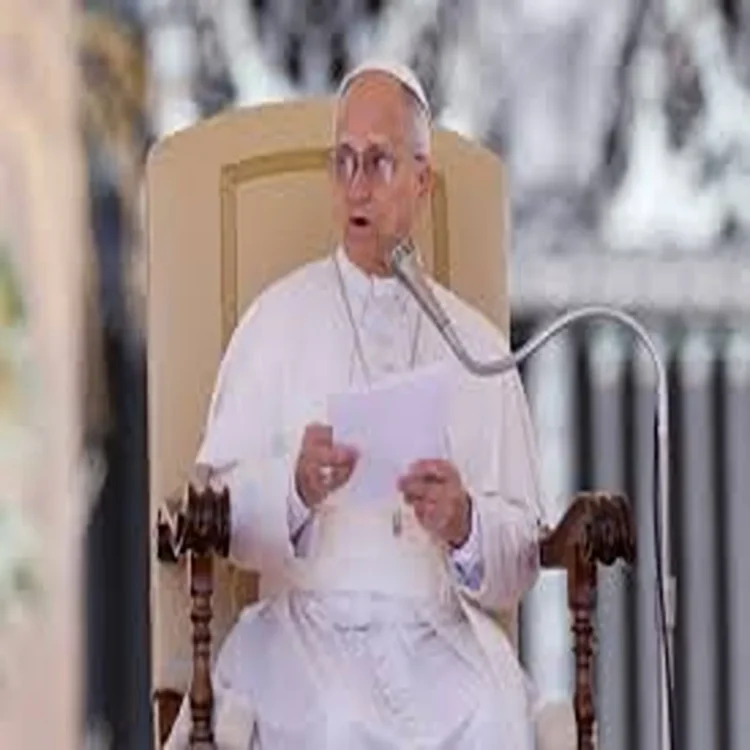
Rare Public Disagreement Between Political and Religious Leaders
The comments came shortly after Pope Leo XIV addressed concerns surrounding the ongoing conflict involving the United States, Israel, and Iran. While the pope did not directly name Trump, his remarks about what he described as a “false sense of absolute power” appeared to reference decisions made by global leaders amid the conflict.
Historically, differences in perspective between world leaders and the Vatican are not uncommon. However, open and direct criticism—especially in such strong terms—is considered rare. Trump’s response, therefore, stands out as an unusual escalation in tone.
Trump Questions Pope’s Position on Security and Policy
In his statements, Trump expressed dissatisfaction with the pope’s stance on international security issues. He argued that the Vatican’s position appeared weak, particularly regarding concerns about Iran’s nuclear ambitions. According to Trump, any suggestion that Iran could possess nuclear capabilities is unacceptable and dangerous.
He also criticized the pope’s broader outlook on crime and foreign policy, suggesting that such views do not align with the priorities of U.S. leadership. Speaking to reporters, Trump reiterated that he disagrees strongly with what he described as the pope’s lenient approach.
Context of Ongoing Diplomatic Developments
The exchange unfolded at a sensitive moment, as diplomatic efforts between the United States and Iran had recently resumed under a fragile ceasefire. Talks reportedly took place in Pakistan, marking a significant step in attempting to ease tensions following threats of escalation.
During a prayer service at St. Peter’s Basilica, Pope Leo emphasized the moral implications of war, stating that violence contradicts the values of faith. He has previously referenced religious teachings to underline that acts of war are incompatible with spiritual principles, reinforcing his consistent call for peace.
Broader Criticism Extends Beyond Middle East Conflict
Trump’s remarks were not limited to the situation in Iran. He also raised concerns about the pope’s reaction to U.S. actions in Venezuela, particularly referencing the removal of President Nicolás Maduro earlier in the year. Trump defended the move as necessary to address issues such as drug trafficking and regional instability.
Additionally, Trump suggested that political considerations may have influenced the pope’s rise to leadership, implying that his American background played a role in his selection. He further argued that the pope should focus more on religious duties rather than engaging in what he described as political commentary.
Reaction from Catholic Leadership
The criticism drew a measured but firm response from senior figures within the Catholic Church. Archbishop Paul S. Coakley expressed disappointment, emphasizing that the pope’s role is spiritual rather than political. He stated that the pontiff speaks from a position rooted in religious teachings and moral guidance, rather than political rivalry.
Church officials highlighted that the pope’s statements are intended to address ethical concerns and promote peace, rather than to challenge specific leaders or governments.
Political and Religious Narratives Intersect
The exchange also reflects a broader trend where political rhetoric increasingly intersects with religious messaging. During the conflict, some U.S. officials have framed military actions in religious terms, encouraging public support through faith-based language.
Trump himself has suggested that divine approval aligns with efforts to protect national interests. Meanwhile, Pope Leo has consistently argued that invoking religion to justify war contradicts core spiritual values.
A Continuing Debate on Leadership and Responsibility
The episode underscores ongoing tensions between political authority and moral leadership in times of conflict. As global challenges evolve, the differing perspectives of leaders across institutions continue to shape public discourse.
While such disagreements are not new, the direct and public nature of this exchange signals a shifting dynamic in how political and religious figures engage with one another on the global stage.