
US: Global Alarm Over Immigration Enforcement Practices Raises Human Rights Concerns
US: The United Nations human rights leadership has issued a strong condemnation of recent immigration enforcement practices in the United States, warning that recurring patterns of force, detention, and deportation are increasingly undermining basic human rights. The criticism highlights systemic concerns around due process, treatment of migrants, and accountability within enforcement agencies, drawing renewed global attention to how immigration policies are being implemented on the ground.
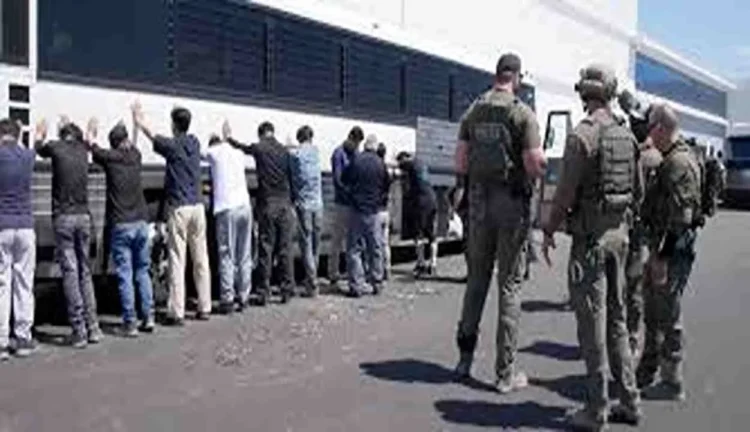
UN Raises Serious Concerns Over Enforcement Tactics
Volker Turk, serving as the United Nations High Commissioner for Human Rights, expressed deep concern over what he described as the routine use of unnecessary or disproportionate force during immigration operations in the United States. In a formal statement, he noted that migrants and refugees are increasingly subjected to treatment that strips them of dignity and fairness, eroding trust in institutions meant to uphold the rule of law.
According to the statement, many individuals who are arrested or detained face significant barriers in accessing timely legal counsel. Without proper legal support, they struggle to challenge detention orders or deportation decisions, raising questions about compliance with fundamental due process standards.
Lack of Due Process and Legal Safeguards
Turk emphasized that due process is not an optional standard but a core obligation under international human rights law. He urged US authorities to ensure that migration policies are implemented with transparency, accountability, and respect for human dignity. The absence of effective legal remedies, he warned, increases the risk of wrongful detention and forced removal, especially for vulnerable populations such as asylum seekers and refugees.
The concerns are not limited to policy frameworks but extend to day-to-day enforcement practices, which critics argue often prioritize speed and volume over fairness and proportionality.
Rising Deaths in ICE Custody Spark Alarm
Another major issue highlighted in the UN statement is the growing number of deaths occurring in the custody of Immigration and Customs Enforcement. At least 30 deaths were reported in the previous year, with several additional cases already recorded this year. These figures have intensified calls for an independent and transparent investigation into detention conditions, medical care, and oversight mechanisms.
Human rights advocates argue that without full transparency, it is impossible to determine whether these deaths were preventable or linked to systemic neglect. Turk called on US authorities to allow impartial reviews to restore public confidence and prevent further loss of life.
Minneapolis Incidents Intensify Public Tensions
Tensions escalated further following a federal enforcement operation in Minneapolis, where an ICE agent fatally shot a 37-year-old US citizen during an operation in early January. Just one week later, another incident occurred in the same area when an ICE agent shot a Venezuelan immigrant. These back-to-back events triggered widespread protests and amplified scrutiny of enforcement conduct.
Community leaders and civil rights groups argue that such incidents demonstrate a troubling pattern of excessive force, particularly in urban areas with large immigrant populations.
Faith Leaders and Airport Protests Draw National Attention
Protesters specifically called out Delta Air Lines and Signature Aviation, urging them to reassess their roles in deportation logistics. During the protest, faith leaders prayed, sang hymns, and shared accounts of individuals detained or deported through airport facilities.
Organizers estimate that the airport has been involved in the deportation of nearly 2,000 people. Labor unions also reported that several airport workers have been arrested by ICE, adding a workforce rights dimension to the ongoing debate.
International Pressure Mounts on US Migration Policy
The UN’s intervention underscores growing international concern that US immigration enforcement is drifting away from globally recognized human rights standards. Turk’s appeal is not merely a critique but a call for reform, urging policymakers to balance border security with compassion, legality, and accountability.
As protests continue and scrutiny intensifies, the future of US immigration enforcement may increasingly depend on whether authorities can demonstrate meaningful commitment to transparency, due process, and the protection of human l