
Geopolitics – Russia and North Korea Strengthen Media Alliance Against Disinformation Claims
Geopolitics – Russia and North Korea have taken another step toward closer alignment by formalizing cooperation between their state-run news agencies, with both sides pledging to jointly counter what they describe as coordinated disinformation campaigns from hostile nations. The agreement reflects a broader deepening of political and military ties between Moscow and Pyongyang.
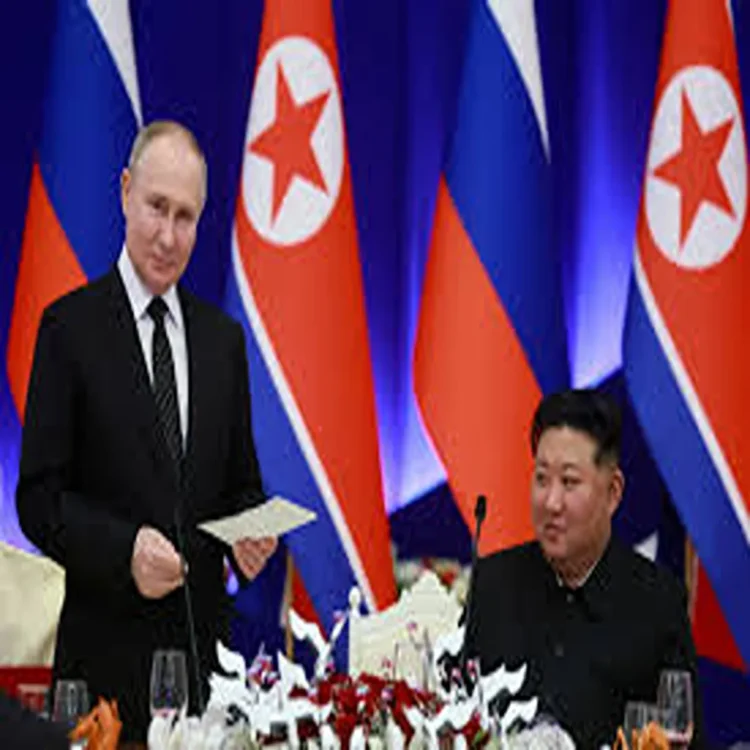
Agreement Focuses on Media Collaboration
The deal, signed on March 28, brings together Russia’s TASS news agency and North Korea’s KCNA under a framework that emphasizes coordinated responses to what they consider misleading or false reporting. According to statements released by both outlets, the partnership will involve collaboration at both bilateral and multilateral levels, particularly in addressing narratives they view as harmful to their national interests.
TASS Director General Andrey Kondrashov, who recently visited Pyongyang, described the agreement as a response to what he called a changing global information landscape. He suggested that the partnership goes beyond traditional ties, reflecting what he termed a modern “information war” environment.
Claims of External Information Pressure
During his visit, Kondrashov also indicated that both countries face sustained criticism and media scrutiny from Western nations. While he did not provide specific examples, he argued that such coverage forms part of broader campaigns aimed at undermining Russia and North Korea.
Western governments, however, have long accused Russia of spreading misinformation through both digital platforms and traditional media channels. Media watchdog organizations have also raised concerns about the lack of independent journalism in both countries.
Expanding Military and Strategic Relations
The media agreement comes amid increasing cooperation between Moscow and Pyongyang in other areas. North Korea has reportedly supplied military support to Russia in its ongoing conflict with Ukraine, including personnel and weaponry. In exchange, analysts say Russia has provided economic assistance, along with technological and energy support.
South Korean estimates suggest that approximately 2,000 North Korean troops may have been killed while deployed in Russia’s Kursk region, where Ukrainian forces launched an incursion in 2024. These developments highlight the growing operational link between the two nations beyond diplomatic statements.
High-Level Engagements Signal Closer Ties
Recent high-level visits have also underscored the strengthening relationship. Russian President Vladimir Putin traveled to North Korea in 2024, marking a significant diplomatic moment. North Korean leader Kim Jong Un’s most recent visit to Russia is believed to have taken place the previous year, further indicating sustained engagement between the leadership of both countries.
North Korea’s Foreign Minister Choe Son Hui welcomed the Russian delegation in Pyongyang, according to official reports, signaling formal support for the expanded cooperation.
Press Freedom Concerns Remain
Despite the emphasis on combating disinformation, both countries continue to rank low in global press freedom assessments. Reporters Without Borders placed North Korea near the bottom of its 2025 index, citing strict state control over media and the absence of independent journalism. Russia also ranked poorly, reflecting ongoing concerns about media restrictions.
Critics argue that such media partnerships may further consolidate state narratives rather than promote transparency. However, officials in both countries maintain that their collaboration is necessary to counter what they perceive as biased or inaccurate reporting from abroad.
Shifting Regional Dynamics
Analysts suggest that closer ties with Russia may also allow North Korea to diversify its international partnerships, reducing its long-standing dependence on China. This shift could have broader implications for regional geopolitics, particularly in East Asia.
As global tensions continue to evolve, the agreement between TASS and KCNA highlights how information and media strategies are increasingly becoming part of international alliances, alongside traditional military and economic cooperation.