
Geopolitics – Pakistan’s Mediation Role Sparks Debate Over India’s Foreign Policy Approach
Geopolitics – A temporary halt in hostilities between the United States and Iran has triggered a political debate in India, with Congress leader Jairam Ramesh questioning the Centre’s foreign policy strategy. The ceasefire, which is expected to last for two weeks, follows a proposal accepted by both sides after a period of heightened military tensions in West Asia.
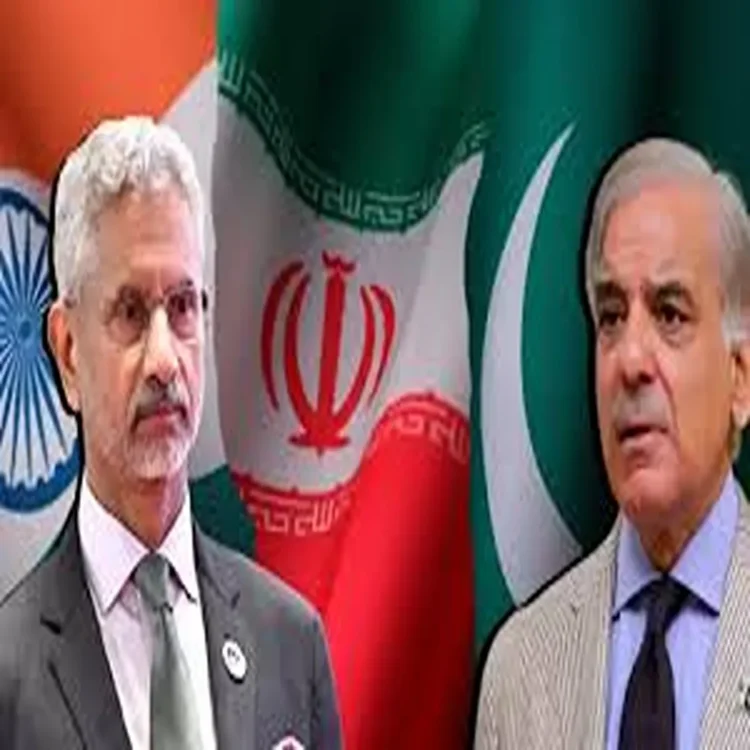
Ceasefire Agreement Brings Short-Term Relief
The understanding between Washington and Tehran includes a pause in military operations and assurances related to safe passage through the Strait of Hormuz. The development comes after weeks of escalating conflict that began in late February, marked by targeted strikes and growing regional instability. The ceasefire has been broadly welcomed by the international community as a step toward reducing tensions, even if temporarily.
Pakistan’s involvement in facilitating dialogue between the two sides has drawn particular attention. Reports indicate that Islamabad hosted discussions that contributed to shaping the agreement, placing the country at the center of a significant diplomatic development.
Opposition Questions India’s Global Positioning
Reacting to these developments, Jairam Ramesh criticized the Indian government’s handling of international relations. He argued that Pakistan’s role in the ceasefire undermines India’s long-standing effort to diplomatically isolate its neighbor on the global stage.
Ramesh also raised concerns about what he described as India’s silence on key global issues, including military actions in Gaza and broader regional conflicts. He suggested that such positions may have affected India’s credibility in international forums.
The Congress leader further pointed to the Prime Minister’s recent visit to Israel, stating that it did not yield the expected diplomatic outcomes and may have impacted India’s global standing. According to him, India’s foreign policy should reflect a more balanced and vocal stance on major geopolitical developments.
Pakistan’s Role Draws Mixed Reactions
Pakistan’s participation in the ceasefire process has led to varied interpretations. While its government has welcomed the agreement and extended invitations for further talks aimed at a long-term resolution, critics have questioned the broader implications of its involvement.
Ramesh described Pakistan as a financially strained nation that has nonetheless managed to play a key diplomatic role, raising questions about India’s approach. He contrasted this with earlier periods when India had succeeded in drawing global attention to cross-border terrorism concerns.
At the same time, some international observers remain cautious. Analysts have pointed out Pakistan’s close economic ties with China, suggesting that its diplomatic moves may be influenced by broader strategic considerations. This has led to speculation about whether Islamabad is attempting to expand its global engagement or acting in alignment with existing alliances.
Questions Over India’s Strategic Decisions
The Congress leader also referred to past military and diplomatic decisions, including the abrupt halt of a specific operation in 2025, which he said was not adequately explained to the public. He emphasized the need for greater transparency in matters of national security and foreign policy.
Additionally, he criticized the government’s response to statements made by global leaders during the conflict, arguing that India should take clearer positions when international norms are at stake.
Looking Ahead to Further Negotiations
Pakistan’s Prime Minister has expressed optimism about the ceasefire and invited delegations from both the United States and Iran for further discussions aimed at achieving a permanent agreement. These talks are expected to take place in Islamabad later this week.
While the ceasefire offers temporary relief, its long-term success will depend on sustained diplomatic efforts and mutual trust between the parties involved. For India, the development has sparked a renewed political debate on how the country navigates complex global dynamics and asserts its role on the international stage