
Geopolitics – North Korea Declares South Its Most Hostile Rival
Geopolitics – North Korean leader Kim Jong-un has officially labeled South Korea as the country’s “most hostile state,” signaling a sharp escalation in rhetoric and policy. The announcement, reported by state-run media, comes alongside a renewed warning that Pyongyang will respond with severe consequences if it perceives any provocation from Seoul.
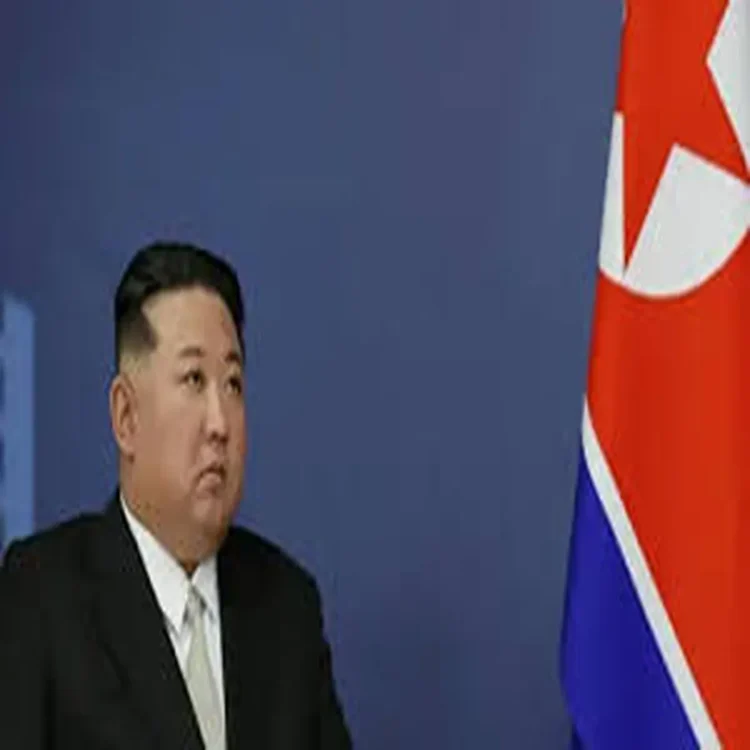
Constitutional Changes Reflect Strategic Shift
Speaking during a key parliamentary session, Kim confirmed that revisions had been made to North Korea’s constitution to align with what he described as evolving national priorities. Although specific details of the amendments were not fully disclosed, experts believe the changes may formally redefine South Korea as a principal adversary, marking a departure from earlier commitments to peaceful reunification.
Historically, North Korea’s constitution included provisions supporting reunification with the South. However, recent developments indicate a decisive shift away from that stance. Analysts suggest that the lack of detailed disclosure may be a deliberate move by Pyongyang to retain flexibility in future diplomatic or military strategies.
Warning of Strong Retaliation
Kim Jong-un’s remarks included a clear warning: any actions by South Korea deemed provocative would be met with “merciless” retaliation. The statement reinforces North Korea’s increasingly hardline approach, which has effectively ruled out meaningful inter-Korean dialogue in recent years.
At the same time, Kim emphasized that his country is prepared for both confrontation and coexistence, leaving open the possibility of diplomatic engagement under different circumstances.
Renewed Focus on Nuclear Strength
Central to Kim’s address was a reaffirmation of North Korea’s commitment to maintaining and expanding its nuclear capabilities. He reiterated that the country’s nuclear status is non-negotiable and essential for safeguarding national sovereignty and interests.
North Korea had already passed legislation in 2022 allowing for the preemptive use of nuclear weapons, declaring its nuclear status irreversible. In his latest speech, Kim stressed the importance of strengthening what he described as a “defensive nuclear deterrence” and ensuring readiness to respond swiftly to any perceived threats.
Criticism of the United States
Kim also used the platform to criticize the United States, accusing it of engaging in acts of aggression and interference globally. While he did not directly name US leadership, his comments appeared to reference ongoing international conflicts involving Washington.
Despite the criticism, observers noted that the tone toward the United States was relatively measured compared to past statements, suggesting a calculated approach rather than outright escalation.
Budget Increase Signals Policy Priorities
During the same parliamentary session, North Korea approved a 5.8 percent increase in its national budget, one of the largest rises in recent years. The move is expected to support both economic operations and policy initiatives aimed at strengthening internal stability.
Kim stated that boosting state revenue would help ensure the smooth functioning of government activities and improve conditions for citizens, although detailed allocations were not disclosed.
Expert Analysis Points to Strategic Ambiguity
Experts believe the constitutional revisions and strong language toward South Korea indicate a fundamental shift in North Korea’s long-term strategy. Some analysts argue that Pyongyang is attempting to redefine inter-Korean relations while maintaining a level of ambiguity that allows room for adjustment depending on future geopolitical developments.
South Korea’s government, meanwhile, has reiterated its commitment to improving relations with the North, despite the increasingly confrontational stance from Pyongyang. Officials have indicated that diplomatic efforts will continue, even as tensions remain high.