
Geopolitics – Iran Dismisses U.S. Ceasefire Proposal Amid Rising Tensions
Geopolitics – An Iranian military official has openly rejected claims of ongoing negotiations with the United States, casting doubt on a recently proposed ceasefire framework reportedly put forward through diplomatic intermediaries. The remarks highlight the deepening divide between Tehran and Washington at a time of escalating regional instability.
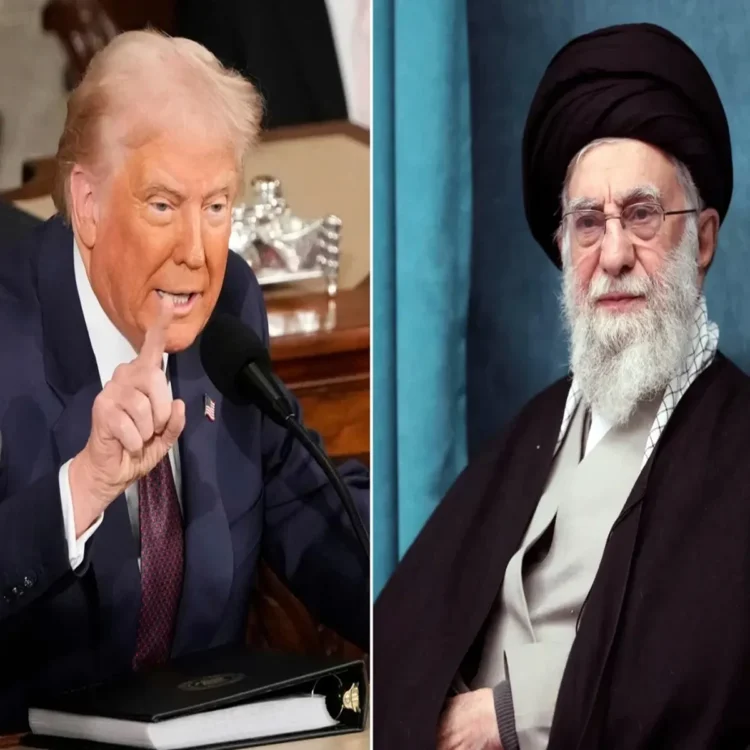
Iranian Military Rejects Negotiation Claims
Lieutenant Colonel Ebrahim Zolfaghari, speaking on behalf of Iran’s Khatam Al-Anbiya Central Headquarters, delivered a sharp response to reports suggesting that talks were underway. In a televised message, he dismissed the idea outright, questioning whether the United States was engaged in internal discussions rather than meaningful diplomacy.
He emphasized that Iran’s position has remained unchanged since the beginning of the conflict, making it clear that Tehran does not intend to enter into any agreement under current circumstances. His comments signal a firm stance that reduces the likelihood of immediate diplomatic progress.
Ceasefire Plan Delivered Through Intermediaries
According to sources familiar with the matter, a 15-point ceasefire proposal was recently conveyed to Iranian officials through representatives from Pakistan. The intermediaries have also indicated a willingness to host renewed discussions between the two nations, potentially offering a neutral ground for dialogue.
While reports suggest that U.S. officials view the proposal as part of ongoing efforts to de-escalate tensions, Iran’s response indicates a lack of alignment on even the basic premise of negotiations. This disconnect raises questions about whether the initiative can gain traction.
U.S. Strategy and Military Build-Up
At the same time, the United States is reinforcing its military presence in the region. Two Marine units are being deployed, bringing thousands of additional personnel, including both Marines and naval forces. Officials describe the move as part of a broader strategy aimed at maintaining operational flexibility amid rapidly changing conditions.
The increased deployment underscores Washington’s dual approach of pursuing diplomatic options while preparing for potential escalation. However, the absence of clear communication between the two sides complicates these efforts.
Regional Allies React to Developments
The introduction of a ceasefire proposal has also drawn attention from key regional players. Israeli officials, who have consistently supported a more aggressive stance against Iran, were reportedly caught off guard by the move toward a potential truce.
Their reaction reflects broader concerns about shifting strategies and the possibility of policy changes that could alter the course of the conflict. The situation remains fluid, with different stakeholders advocating for varying approaches.
Ongoing Conflict Intensifies Pressure
Meanwhile, hostilities continue across the region. Airstrikes have targeted multiple locations within Iran, while Iranian forces have responded with missile and drone attacks aimed at Israel and other strategic sites. The sustained exchange of attacks has heightened fears of a prolonged conflict.
Economic consequences are also becoming more pronounced. Disruptions in the Strait of Hormuz, a critical route for global oil shipments, have led to rising fuel prices and increased uncertainty in international markets. Consumers worldwide are beginning to feel the impact, adding pressure on political leaders to find a resolution.
Growing Domestic and Global Concerns
Within the United States, there is mounting pressure on leadership to bring the conflict to an end. Rising energy costs and concerns about broader economic fallout are influencing public sentiment and policy discussions.
Iran, for its part, continues to frame the situation as a demonstration of shifting global power dynamics. Officials argue that current developments expose weaknesses in long-standing geopolitical structures, further complicating efforts to reach common ground.
As tensions persist and diplomatic efforts face significant obstacles, the prospect of a ceasefire remains uncertain. The coming days are likely to play a critical role in determining whether dialogue can resume or if the conflict will deepen further.