
Geopolitics – Analyst Questions Pakistan Role in US Iran Ceasefire Talks
Geopolitics – A recent development involving a temporary ceasefire between the United States and Iran has drawn scrutiny from international observers, particularly regarding Pakistan’s reported role in facilitating the arrangement. Jonathan Schanzer, a senior official at a Washington-based policy institution and a former counterterrorism analyst with the US Treasury, has expressed concerns about the unusual nature of this involvement.
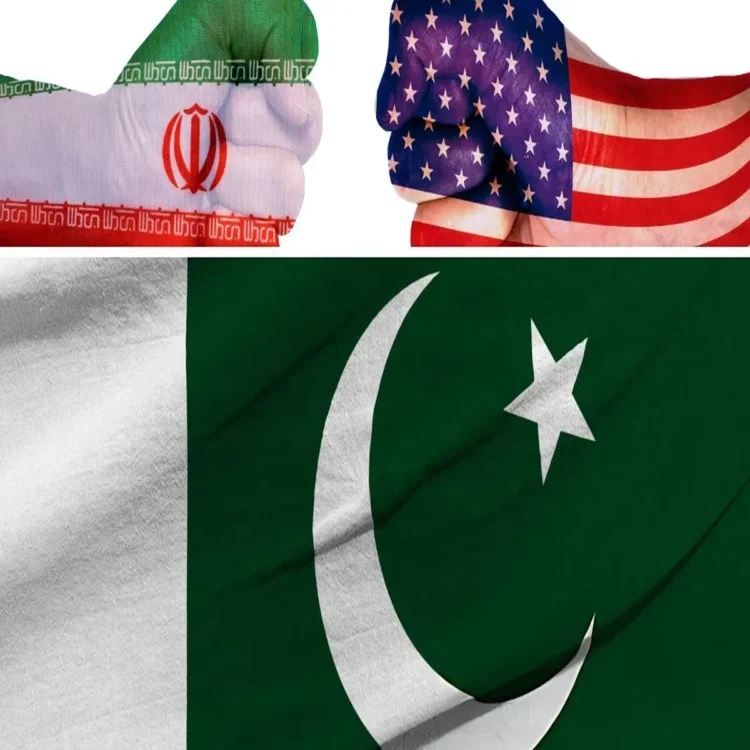
Concerns Over Pakistan’s Mediation Role
Schanzer described Pakistan’s participation in brokering discussions between Washington and Tehran as unexpected. He pointed out that Islamabad has long faced allegations related to its past associations with extremist networks, making its position as an intermediary in such a sensitive diplomatic process noteworthy. According to him, the situation raises broader questions about the credibility and implications of third-party involvement in high-stakes negotiations.
He emphasized that the alignment of interests among the parties remains unclear, particularly given the complex geopolitical history linking all three nations. The analyst noted that such mediation efforts are rarely straightforward and often reflect deeper strategic calculations.
Differing Narratives From Washington and Tehran
Another major concern highlighted by Schanzer is the lack of clarity surrounding the terms of the ceasefire. Statements emerging from the United States and Iran appear to present contrasting interpretations of the agreement. While Washington has framed the pause in hostilities as conditional and temporary, Iranian officials have portrayed it as a broader concession by the US.
According to Schanzer, claims suggesting that the United States has agreed to lift sanctions, withdraw from the region, or offer reparations appear inconsistent with established US policy positions. He indicated that such differences in messaging could complicate efforts to move toward a lasting resolution.
Strategic Importance of the Strait of Hormuz
A key element of the reported ceasefire arrangement involves the Strait of Hormuz, a critical maritime route for global energy supplies. The United States has indicated that its willingness to halt military actions is linked to Iran ensuring safe and open passage through the strait.
Schanzer raised questions about whether Iran would fully commit to maintaining uninterrupted shipping in this vital corridor. Any disruption in this region could have significant economic consequences worldwide, making it a central issue in ongoing negotiations.
He noted that while a short-term ceasefire may reduce immediate tensions, the situation remains fragile. The initial days of such agreements are often the most uncertain, with a high risk of miscalculation or breakdown.
Temporary Pause Amid Ongoing Tensions
The developments follow an announcement by US President Donald Trump, who confirmed a suspension of military operations against Iran for a period of two weeks. This pause, described as a mutual ceasefire, is intended to create space for further diplomatic engagement.
Trump indicated that the decision was influenced by discussions with Pakistan’s leadership, including Prime Minister Shehbaz Sharif and senior military officials. He also referred to a multi-point proposal from Iran as a possible foundation for more comprehensive negotiations in the future.
Uncertainty Over Long-Term Outcomes
Despite the temporary halt in hostilities, analysts caution that the path forward remains uncertain. The success of the ceasefire depends heavily on both sides adhering to its conditions and demonstrating willingness to engage in constructive dialogue.
Schanzer stressed that early optimism should be tempered with caution. He pointed out that significant gaps remain between the positions of the United States and Iran, and bridging these differences will require sustained diplomatic effort.
As the situation evolves, global attention will remain focused on whether this brief pause can lead to a more stable and enduring agreement or whether tensions will resurface once the ceasefire period ends.