
Geopolitics – Afghanistan Expands Diplomatic Outreach Amid Rising Regional Tensions
Geopolitics – Afghanistan has stepped up its diplomatic engagement across the region as tensions intensify in West Asia and along its own borders. The move comes at a time when overlapping conflicts—ranging from the United States-Iran standoff to strained ties with Pakistan—are reshaping regional dynamics.
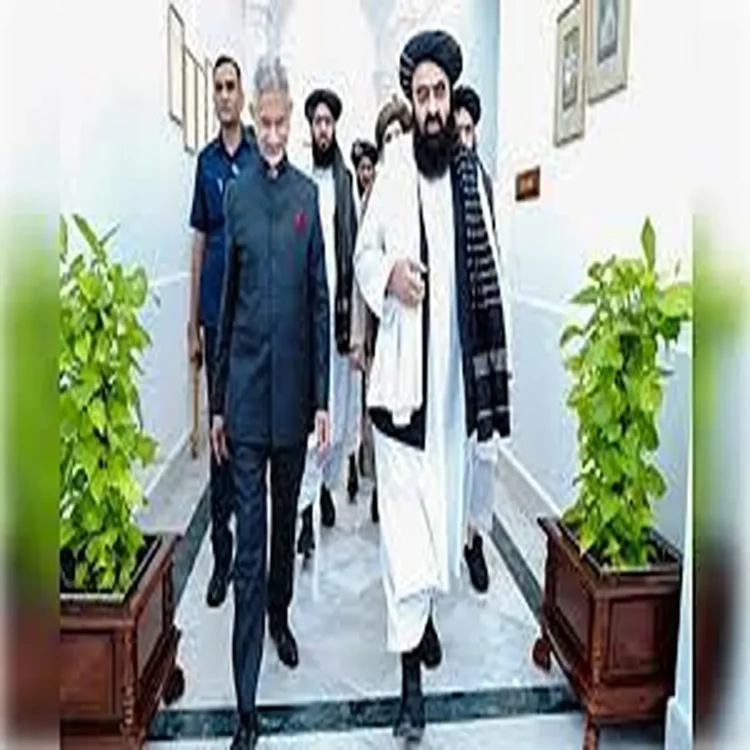
Kabul Responds to Escalating West Asia Conflict
During recent discussions in Kabul, Afghanistan’s acting foreign minister, Amir Khan Muttaqi, met with Iran’s envoy to review bilateral relations and assess the broader regional situation. The Iranian representative outlined Tehran’s perspective on recent hostilities, describing the conflict as one triggered by external forces.
Muttaqi echoed concerns over the situation, characterizing the developments as an act of aggression and warning that any further escalation could destabilize the wider region. He emphasized that continued conflict would not only affect the directly involved countries but also have far-reaching consequences for neighboring states.
Afghanistan Signals Support for Dialogue with Pakistan
Alongside discussions on West Asia, Afghanistan used the meeting to address its own ongoing tensions with Pakistan. Kabul acknowledged Iran’s supportive stance regarding the situation and reiterated its preference for resolving disputes through constructive dialogue.
According to officials, Afghanistan remains committed to addressing concerns on both sides through sincere negotiations. The government has indicated that it seeks practical solutions rather than prolonged confrontation, especially given the economic and humanitarian pressures it currently faces.
Iran, for its part, expressed support for peaceful engagement between Kabul and Islamabad. Its envoy highlighted that Tehran is closely monitoring the developments and favors diplomatic efforts aimed at reducing friction between the two neighbors.
Trade and Economic Cooperation Remain a Priority
Despite political tensions, economic cooperation continues to be a key focus in Afghanistan’s regional strategy. Officials from both Afghanistan and Iran noted that trade relations have shown steady growth, suggesting that economic ties remain resilient even amid geopolitical uncertainty.
Strengthening trade partnerships is particularly important for Afghanistan, which faces significant logistical challenges as a landlocked country. With limited access to international markets, maintaining stable trade routes through neighboring countries is critical for sustaining its economy.
UAE Engages in Diplomatic Efforts
In a separate development, Afghanistan’s foreign minister held a phone conversation with the United Arab Emirates’ top diplomat to discuss bilateral ties and regional developments. The discussion covered Afghanistan’s relations with the United States, ongoing tensions with Pakistan, and broader regional concerns.
Afghanistan reaffirmed its commitment to ensuring that its territory is not used against any neighboring country. Officials stressed that mutual understanding and dialogue remain the most effective path toward resolving disputes with Pakistan.
The UAE also underscored the importance of de-escalation, noting that continued tensions serve neither country’s interests. It expressed support for diplomatic initiatives aimed at fostering stability and reducing conflict in the region.
Mediation Efforts Gain Importance
With multiple conflicts unfolding simultaneously, the role of mediating nations has become increasingly significant. Countries such as the UAE are actively engaging in diplomatic efforts, hoping to ease tensions and promote stability across the region.
Afghanistan has welcomed such initiatives, particularly those that encourage dialogue over confrontation. Officials have also acknowledged the UAE’s role in facilitating sensitive negotiations in the past, highlighting the importance of neutral intermediaries in complex geopolitical situations.
Strategic Challenges for a Landlocked Nation
Afghanistan’s geographic position continues to shape its foreign policy choices. Surrounded by key regional players, the country faces mounting challenges as instability affects both its western and southern borders.
The prolonged closure of border routes with Pakistan has disrupted trade and supply chains, while tensions involving Iran have added uncertainty to another critical corridor. These developments have placed additional strain on Afghanistan’s already fragile economic situation.
With limited access to seaports and ongoing international sanctions, the country remains heavily dependent on regional cooperation for essential goods and humanitarian support. As a result, Kabul’s diplomatic outreach reflects both strategic necessity and an effort to navigate an increasingly volatile regional landscape.